
 Fuck Each Other Not The Planet Unisex
 Wear My Kink
Toxicity: Manosphere Ideology


Toxicity is loud, persistent and often wrapped in a shiny veneer of confident talking points. When you are navigating kink communities or any space centered on consent and mutual respect the Manosphere ideology can feel like a toxic spill that threatens to contaminate conversations. This guide breaks down what the Manosphere is why its talking points can feel seductive and how to protect yourself while staying true to your values. For additional guidance on building healthy communities with clear boundaries check out Best Beta OnlyFans. This article will help you spot red flags distinguish between critique and hate and learn practical ways to respond or disengage without losing your edge.
What is the manosphere and why toxicity shows up
The manosphere is a loose network of blogs podcasts forums and social media spaces that often frame gender relations through a specific lens. It ranges from discussing self improvement and dating strategies to more hostile content that demeans women denies accountability and promotes aggressive masculinity. Within this broad spectrum you will find communities built around self help political ideology and dating advice. The trouble begins when rhetoric shifts from discussion to enforcement of a perceived natural order a rigid hierarchy of male and female roles and a blanket distrust of feminism or women who challenge traditional norms. This blend of ideas can create echo chambers where nuance is filtered out and harmful stereotypes gain weight.
Key terms you may hear and what they mean in plain language
- Manosphere A loose network of online spaces that discuss gender relations from a masculine perspective often with aggressive tones.
- Toxic masculinity A set of cultural norms that discourage emotion and vulnerability while endorsing dominance aggression and control.
- Red pill A metaphor borrowed from science fiction to describe waking up to a supposed hidden truth about how the world works especially about gender dynamics.
- Blue pill The opposite of red pill representing conventional thinking or mainstream beliefs that are considered naive by red pill adherents.
- Incels Short for involuntarily celibate people who often express hostility toward others including women and society at large.
- PUA Short for pickup artist a term used for men who promote specific strategies to attract women often criticized for manipulation.
- Beta A term used in some manosphere circles to describe men perceived as weak or passive especially in dating or sexual contexts.
In online spaces the risk is not only the words themselves but the behavior that accompanies them. Harassment dehumanization doxxing and coordinated trolling can escalate quickly. If you are a reader a creator or a member of a kink community these dynamics threaten safety consent and the sense of belonging that a healthy space should provide. Recognizing the signs early helps you maintain your boundaries and keep conversations constructive rather than punitive.
Best Beta OnlyFans - Updated October 2026
| Picture | Model Name | Description | Price | View Profile |
|---|---|---|---|---|
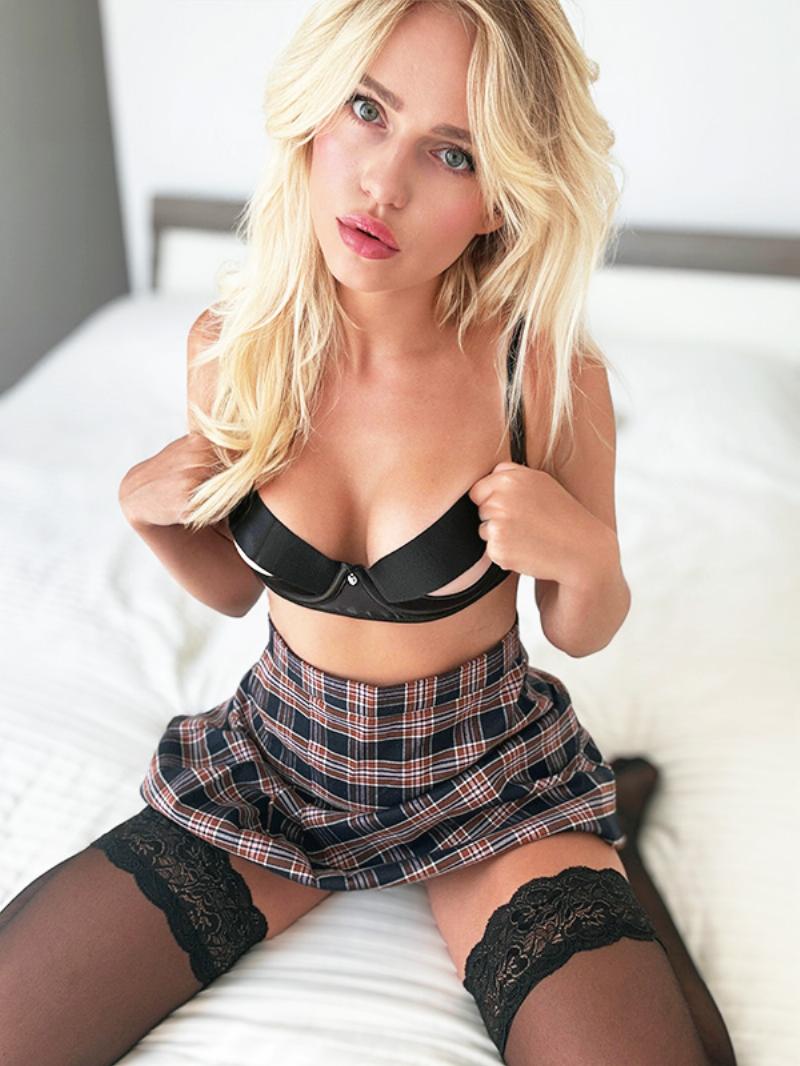
|
🌹 Lexy - Fifty Shades of Fantasy 🌹 | Hey, I’m Lexy, your Ukrainian muse weaving pleasure and artistry into every moment. Think Fifty Shades of Grey with a twist of elegance—soft silk, subtle control, and electric energy. 😘 Whether I’m leading with confidence or surrendering to the vibe, my world is all about sensual details and quiet power. Join me for exclusive, breathtaking content: from sultry yoga flows to modern art-inspired visuals that ignite your senses. My page is your sanctuary for beauty, desire, and connection. Ready to explore the depths of passion with me? Subscribe now and let’s create something unforgettable. 💋✨ | FREE | View Profile |
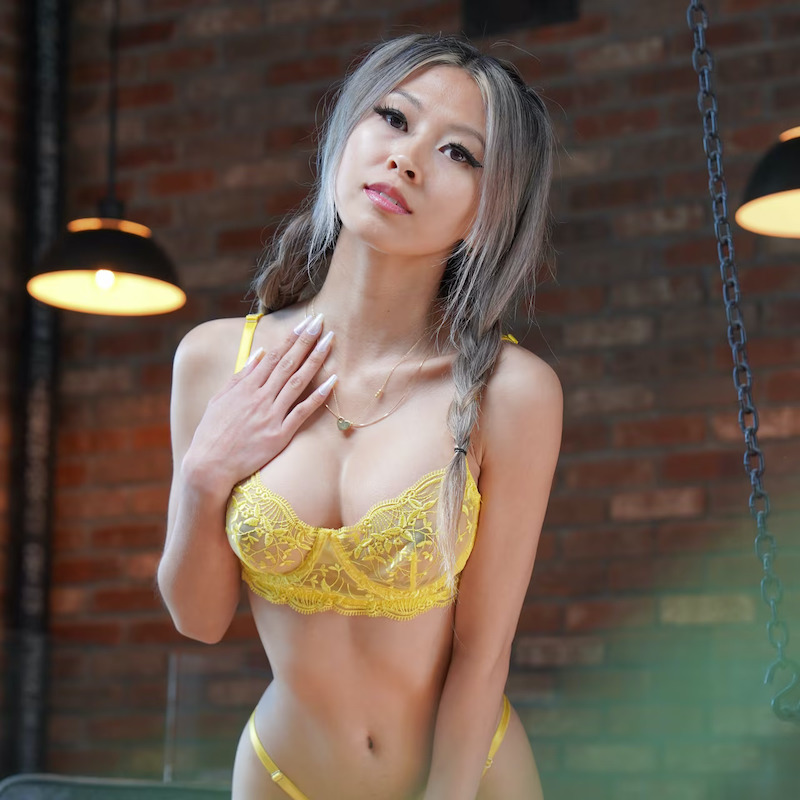
|
😈🥵PETITE ASIAN Jamie Luna | Tiny Asian fucktoy who drops full length videos daily. Anal, creampies, facials, JOI and dick rates on demand. | FREE | View Profile |

|
Laila 🔥 La Diosa Dominicana | Seductive Dominican goddess who mixes sweet charm with raw dominant energy. She’ll have you addicted fast...confident, bossy, and dangerously addictive. | FREE | View Profile |
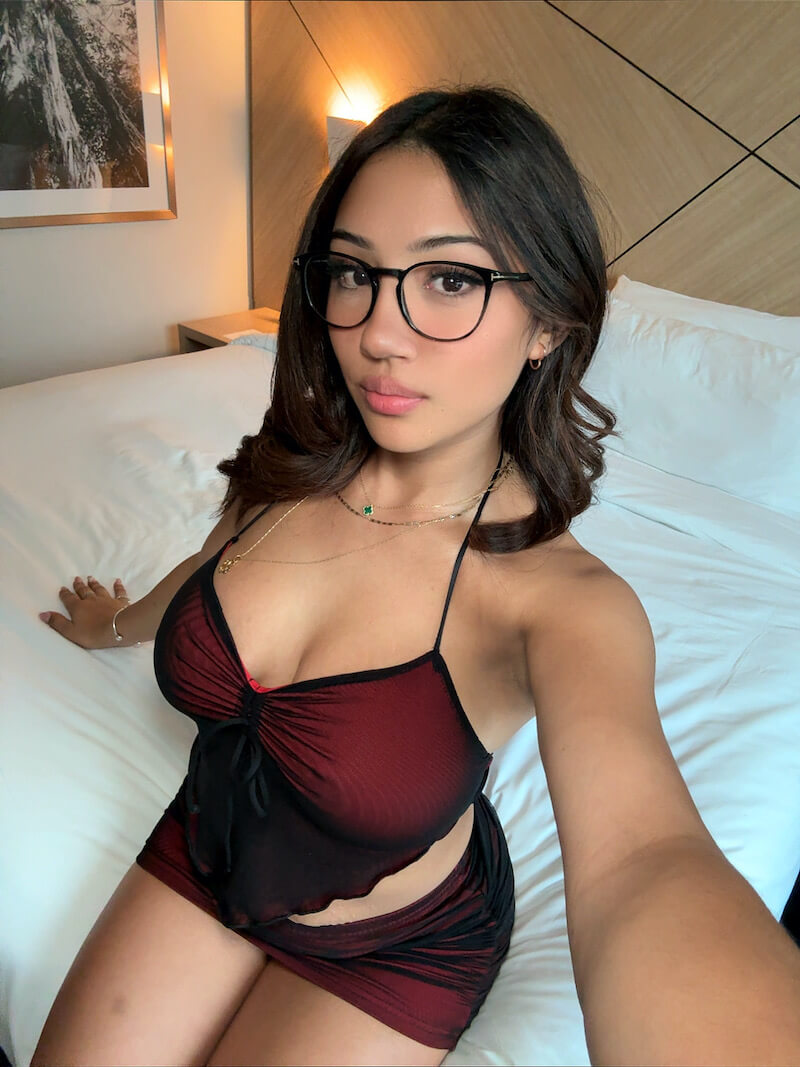
|
😈 Ali Cruz Da Latina 💓 | If you love curvy Latinas who go all the way, Ali is a must. Her JOI, B/G content and raw sexual energy make her one of the top choices in the spicy Latina kink category. | FREE | View Profile |

|
😈 Anna Filthy Princess 👑 | Innocent face, filthy mind, and insanely flexible body. This yoga princess is one of the best hidden gems for fans of submissive flexibility and total corruption. Highly recommended. | FREE | View Profile |

|
❤️Mira 🇲🇾 | Quiet Asian girl who needs attention and slowly turns into a needy slut. Soft start, filthy finish. | FREE | View Profile |
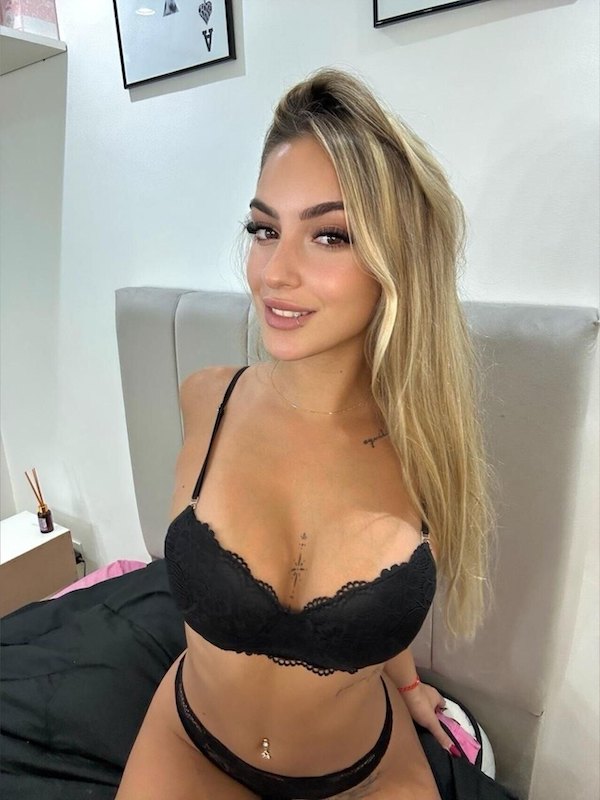
|
Kristine Martinsen 🇳🇴 | Cute accounting student with a secret slut side. Petite body, playful tease, and gets needy when treated right. | FREE | View Profile |

|
🇬🇧 Submissive British Sofia 🧚 | Sultry British submissive with perfect tits and an addictive posh accent. Sweet charm meets total obedience, dangerously addictive. | FREE | View Profile |
|
ミ💗Mariposa💗彡 | Precision by day, complete whore by night. She designs buildings then bends over and turns every fantasy into a dripping mess. | FREE | View Profile |

|
Viktoria Kristensen 🇳🇴✨ | Adorable petite Scandinavian blonde with a naughty playful side. Sweet smile, tight body, and loves teasing...instant gooner bait. | FREE | View Profile |
Why toxicity matters in online communities especially for kink and fetish spaces
Consent is the core principle of healthy kink play and it should govern every online interaction from a comment to a private chat. When the manosphere ideology bleeds into discussions around sex dating and power dynamics the focus shifts away from consent mutual respect and safety to dominance control and derision. This shift can poison a space that should feel empowering and safe. Here is what to watch for and why it matters.
- Dehumanization Reducing a group to a stereotype or insult makes it easier to ignore consent and boundaries.
- Generalization Sweeping claims about all women or all men ignore personal differences and individual autonomy.
- Gossip and rumor Spreading unverified claims about safety rules or performers undermines trust within a community.
- Threats or intimidation Direct or indirect pressure to behave in a certain way regardless of consent is unsafe and unacceptable.
- Privacy breaches Advocating doxxing stalking or doxxing as a tactic destroys safety for everyone including vulnerable participants.
These dynamics are not just theoretical. In real life they manifest as comments that mock boundaries blur consent or pressure others into decisions they would not make in a respectful space. They can also drive away new fans or creators who would otherwise contribute positively to a community. When toxicity runs unchecked it erodes trust and reduces the willingness of people to participate share content and engage in meaningful conversations about kink and consent.
Real life scenarios that illustrate manosphere toxicity in online spaces
Understanding how this ideology shows up in everyday conversations can help you respond with clarity and restraint. Here are some relatable scenarios and how to handle them so you can protect your mental health and your boundaries.
Scenario one: A controversial comment thread spirals into gender shaming
Situation A heated thread about a new content format turns personal. A commenter starts framing the discussion as a battle between men and women accusing the creator of pushing a feminist agenda and implying that women who subscribe are choosing submissive roles only to please political agendas. The vibe shifts from curiosity to hostility fast.
What to do In this moment pause step back and illustrate a boundary. Acknowledge the concern without endorsing the hostility and redirect the conversation toward sex positive consent focus. For example you might say I hear that you have concerns about power dynamics. I invite you to share your point while we keep this about mutual consent and safety and we will stay respectful. If the thread continues to devolve consider muting or blocking the commenter to protect the space.
Scenario two: A DM tries to steer consent into a political angle
Situation A private message to a creator includes questions about gender politics and a long critique of feminism with insinuations about who should be allowed to enjoy certain content. The tone is smug and the goal is to shame the creator for their personal and professional choices.
What to do If you want to respond politely you can say I am here for content that respects consent and boundaries. If your questions are about safety and content rules I am happy to discuss them within those lines. If the person persists you have every right to block and report through platform tools. Your mental health and safety come first.
Scenario three: A group chat becomes a hub for toxic humor
Situation A private chat among fans turns into a stream of jokes rooted in misogyny and dehumanizing language. The humor feels like a test of loyalty and the line between playful banter and harassment blurs.
What to do If you participate consider stepping back. You can calmly say I do not participate in jokes that demean others. If the humor returns to a safer tone you can rejoin but if it continues you should leave the chat and report the behavior to a moderator or platform support. Protecting your emotional safety matters and it is okay to opt out of situations that feel unsafe.
How to protect yourself and others against manosphere toxicity
Protecting yourself in online spaces means building boundaries and choosing where you invest your time and energy. It also means supporting healthy communities that prioritize consent and respect. Here are practical steps you can take to stay safe and keep a space positive.
1. Set clear boundaries and communicate them
Decide what you will tolerate and what you will not. Be explicit in your messages about topics you do not want to discuss and how you want to be treated. Use simple language and repeat your boundaries when necessary. Boundaries are a gift you give yourself and others.
2. Use tools the platform provides
Most platforms offer muting reporting blocking and filtering options. Use them. Muting helps you avoid being drawn into hostile conversations while blocking stops harassment entirely. Reporting is not about censorship it is about keeping the space safe for creators and fans alike.
3. Diversify your feeds
Follow a mix of creators and communities that emphasize consent inclusivity and respectful dialogue. This helps balance exposure to different viewpoints and reduces the chance of being pulled into a toxic narrative.
4. Practice digital hygiene
Limit exposure to heated debates take breaks when needed and seek offline support if online interactions become overwhelming. Self care is not selfish it is essential for long term participation in any community.
5. Speak up when you can do so safely
If you encounter toxic talk consider asserting boundaries in a calm firm manner. You can state I do not engage with content that demeans others. If the behavior persists you should disengage and report. Your voice matters even when it is quiet and firm.
6. Support positive creators and communities
Encourage and amplify spaces that demonstrate healthy communication clear rules and strong consent practices. Your support helps these communities grow making them more resilient to toxicity.
What to do if you encounter toxic ideology in a creator’s comments or DMs
Encountering this ideology in a space you trust can be jarring. Here is a practical approach to handling it without escalating conflict or harming yourself.
- Pause Take a moment to decide your next move rather than reacting in the moment.
- Assess intent If the message clearly aims to degrade or manipulate you may want to disengage immediately.
- Document and report If there is harassment or a violation of platform rules capture the message and use the reporting tools provided.
- Set boundaries in public posts A brief clear comment about your boundaries can deter future toxicity in that thread.
- Offer a constructive alternative If the person shows a willingness to engage respectfully you can steer the conversation toward consent ethics and mutual respect.
How to talk about toxicity without inflaming the situation
Talking about sensitive topics requires care especially in communities that handle taboo subjects like kink. Here is a simple framework that keeps the conversation constructive.
- Lead with consent and safety Center the discussion on safety boundaries and consent rather than on blame.
- Use “I” statements Focus on how you feel rather than accusing others. For example I feel unsettled when I see language that dehumanizes a group and I would like to keep discussions respectful.
- Ask clarifying questions If a statement is unclear ask for a specific example and for how they would handle consent in a given scenario.
- Offer resources Share links to guidelines about consent inclusive language and respectful discussions when appropriate.
The difference between healthy debate and toxic ideology
Healthy debate involves listening evaluating evidence and adjusting your view in light of new information. Toxic ideology relies on certainty rigidity and the dismissal of others. It often uses canned talking points to avoid accountability and spreads suspicion rather than seeking truth. Recognize the signs and choose conversations that encourage learning growth and mutual respect. Your time is valuable and so is the safety of the people you interact with online and offline.
How to recover from exposure to toxicity
Exposure to toxic ideas can be draining. Recovery is about reset reset boundaries and realigning your online habits with your values. Here are strategies that can help you bounce back quickly.
- Take a break Step back from the discussion or platform for a designated time to clear your head and reset your emotions.
- Reassess the places you engage If a space consistently feels unsafe consider stepping away for good and seek communities that align with your values.
- Engage with supportive voices Follow mentors peers and creators who model respectful dialogue and consensual practices. Positive role models matter a lot.
- Practice self care Sleep eat well move your body and talk with trusted friends about how you feel. You deserve support too.
Gear and terms explained so you do not look like a clueless mess
Understanding mental models behind online toxicity helps you navigate conversations more confidently. Here are some terms and ideas that frequently surface in manosphere discussions explained in plain language.
- Red pill ideology A belief system that claims to have awakened to a supposed truth about gender dynamics often used to justify aggressive behavior and contempt toward others.
- Blue pill ideology Opposing or mainstream views considered as comfort zone thinking by red pill adherents.
- TFW energy An internet shorthand for a certain cold calculated attitude used to describe perceived confidence and control within some manosphere circles.
- Gatekeeping Excluding others from a space or conversation by setting rigid arbitrary rules often used to police gender norms and behavior.
- Echo chamber A space where dissenting views are discouraged and only supportive opinions circulate amplifying a single perspective.
Search phrases and signals to avoid toxicity while still finding helpful content
When you are looking for credible discussions about consent power dynamics and healthy kink relationships use phrases that emphasize safety and mutual respect. Examples include consent focused kink education and healthy masculinity in relationships. If you encounter material that sounds like it is pushing hostile language or collective punishment walk away and seek resources that emphasize safety and inclusivity.
FAQ
What is the manosphere
The manosphere is a collection of online spaces where gender relations are discussed from a masculine lens sometimes with hostile undertones towards women and feminist ideas.
What is toxic masculinity
Toxic masculinity refers to cultural norms that equate masculinity with dominance emotional restraint and aggression and discourage vulnerability or empathy.
What is red pill ideology
Red pill ideology is the belief that there is a hidden truth about gender relations and that recognizing it justifies harsh or punitive views toward others especially women.
How can I recognize toxicity in online discussions
Look for dehumanizing language threats doxxing or a pattern of blaming others for your feelings. Notice when empathy and consent are sidelined in favor of control or domination.
What should I do if I encounter harassment or hate in a space
Use platform tools to mute block and report. Do not engage in retaliatory behavior. Preserve evidence if you choose to report and maintain your own boundaries.
How can I protect my mental health online
Limit time spent in triggering spaces seek supportive communities and practice digital hygiene including breaks and mindful scrolling. Prioritize real life connections and activities that restore balance.
What is incel
Incel stands for involuntarily celibate and refers to individuals who sometimes express extreme hostility toward others including women and society at large.
Can I practice safe engagement if I think someone is using red pill language
Yes you can. You can ask clarifying questions set boundaries and steer conversation toward consent and respect. If you feel unsafe disengage and report if necessary.
Explore Popular OnlyFans Categories
Anal
Asian OnlyFans
BDSM
Big Ass OnlyFans
Big Tits OnlyFans
Bimboification
Bisexual OnlyFans
Brunette OnlyFans
Cheerleading Uniforms
College OnlyFans
Cosplay
Cuckold
Deepthroat OnlyFans
Dick Rating OnlyFans
E Girl OnlyFans
Exhibitionism
Feet
Fetish Models
Foot Worship
Goth
Hairy OnlyFans
JOI OnlyFans
Latex
Lesbian OnlyFans
Lingerie
Massages
No PPV
OnlyFans Blowjob
OnlyFans Streamers
Pegging
Petite OnlyFans
Piercings
Pornstar
Skinny
Small Tits
Squirting
Swinging
Tattoos
Teacher OnlyFans
Thick
Trans
Yoga OnlyFans
Oh and if you're looking for our complete list of the best OnlyFans accounts by niche, fetish and kink...check this out: Best OnlyFans Accounts
