
 Fuck Each Other Not The Planet Unisex
 Wear My Kink
Equipment: Using the 3Dio Mic

Immersive sound can transform simple clips into experiences readers feel in their bones. If you want to elevate your binaural content on OnlyFans this guide dives into how to use the 3Dio binaural mic for realistic and punchy audio. For broader context on the best binaural approach check out the Best Binaural OnlyFans guide which covers creators gear and ethics that keep your sessions on track. In this article we break down what makes the 3Dio mic special how to set it up how to position it and how to get clean consistent sound during a shoot. We also translate jargon into everyday bite sized tips so you can act with confidence even if you are new to this niche.
Why binaural audio matters for kink content
Binaural audio is not just about stereo left and right channels The format is designed to emulate the way human ears hear sound in real space. When done well binaural recordings create a sense of depth distance and movement that a standard stereo track cannot replicate. This is especially valuable in kink and fetish content where the listener wants to feel like they are right there in the scene. The 3Dio mic family has become a favorite among creators who want high quality immersive sound without complex studio setups. If you have ever listened to a whisper a breath or a footstep and felt like it was happening around you that is binaural magic in action.
Before we get into how to use the 3Dio mic we should define a few terms so you feel confident talking about audio with your crew. If you already know the basics feel free to skim this section and jump to the practical setup tips.
- Binaural Sound recorded with two matched channels that recreate how human ears perceive space. It is best experienced with headphones because it relies on differences between the left and right channels to create the sense of space.
- Dummy head A representation of a human head used to capture sound as if a listener were present. The 3Dio uses a version of this concept with ear shaped capsules.
- USB vs analog Some mics are USB for quick use while others connect via XLR to an audio interface. The 3Dio models typically use XLR connections and require an interface for power and preamplification.
- Phantom power A method used by many professional mics to power internal electronics through the same cable that carries the audio signal. Typical phantom power is 48 volts.
- Headphone monitoring Listening to the live or pre recorded track through headphones to ensure panning and balance feel right while you record.
- Sound stage The imagined space that a recording creates around the sounds. A well captured binaural track has a convincing sound stage that moves naturally as you or the subject move.
Understanding these ideas makes it easier to plan a shoot and communicate with your audio tech. The goal with the 3Dio is to place the listener in the scene so close that you can almost reach out and touch the moment. That is the wow factor that makes the extra effort worthwhile.
Best Binaural OnlyFans - Updated October 2026
| Picture | Model Name | Description | Price | View Profile |
|---|---|---|---|---|
|
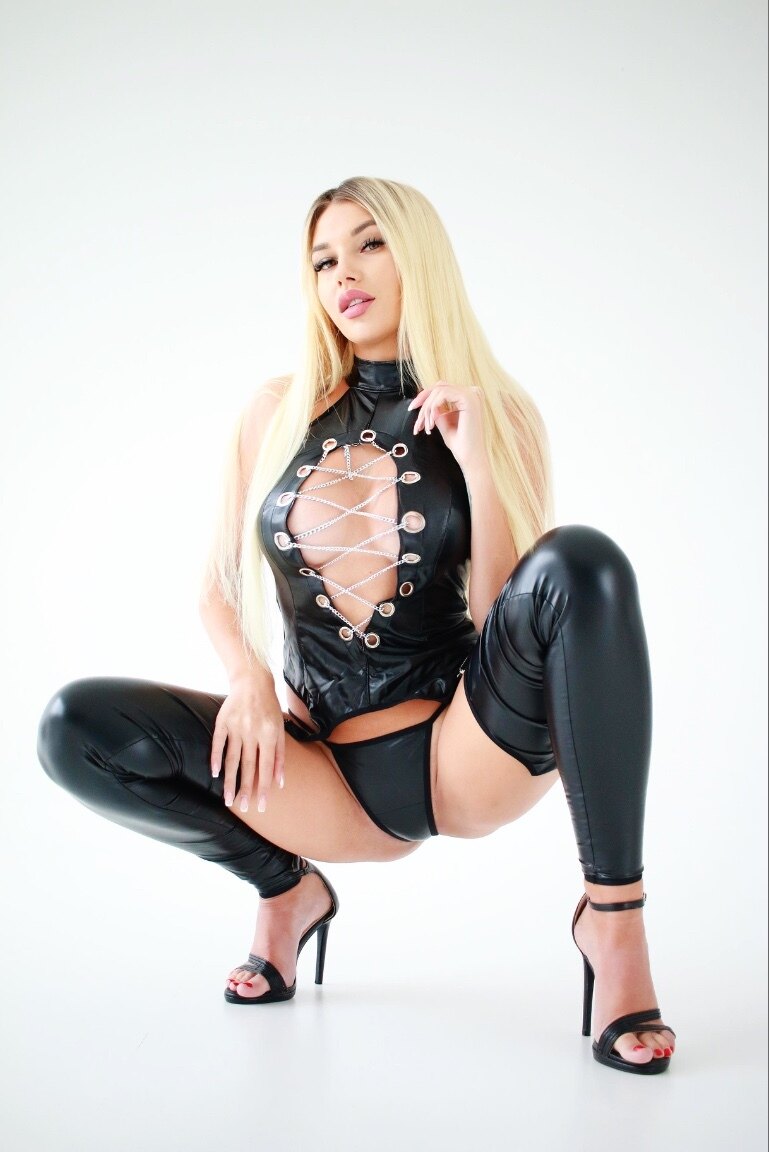
Mistress Arina⛓️👠 | Strict blonde Domme who breaks you with zero mercy. Perfect for subs who crave absolute control, humiliation and full surrender. | FREE | View Profile |
|
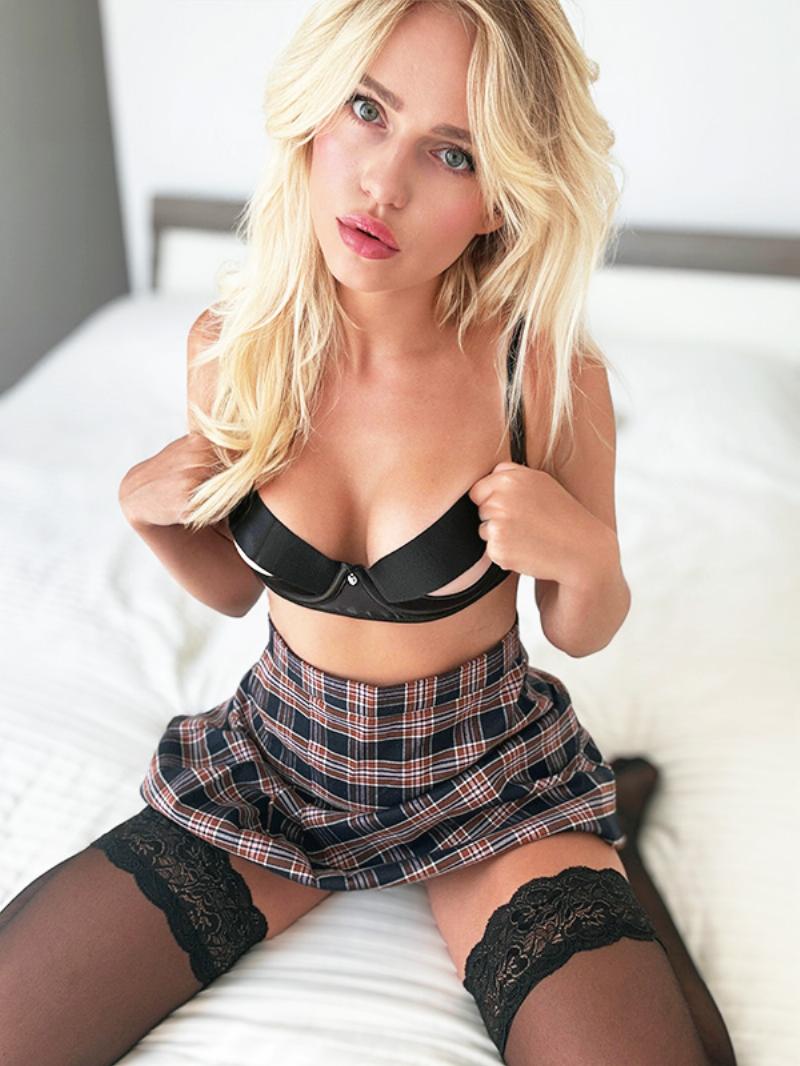
🌹 Lexy - Fifty Shades of Fantasy 🌹 | Hey, I’m Lexy, your Ukrainian muse weaving pleasure and artistry into every moment. Think Fifty Shades of Grey with a twist of elegance—soft silk, subtle control, and electric energy. 😘 Whether I’m leading with confidence or surrendering to the vibe, my world is all about sensual details and quiet power. Join me for exclusive, breathtaking content: from sultry yoga flows to modern art-inspired visuals that ignite your senses. My page is your sanctuary for beauty, desire, and connection. Ready to explore the depths of passion with me? Subscribe now and let’s create something unforgettable. 💋✨ | FREE | View Profile |

|
Amelia🌿 | Petite athletic Latvian girl who looks soft and innocent. Tight body and just enough tease to keep you stroking. | FREE | View Profile |
|
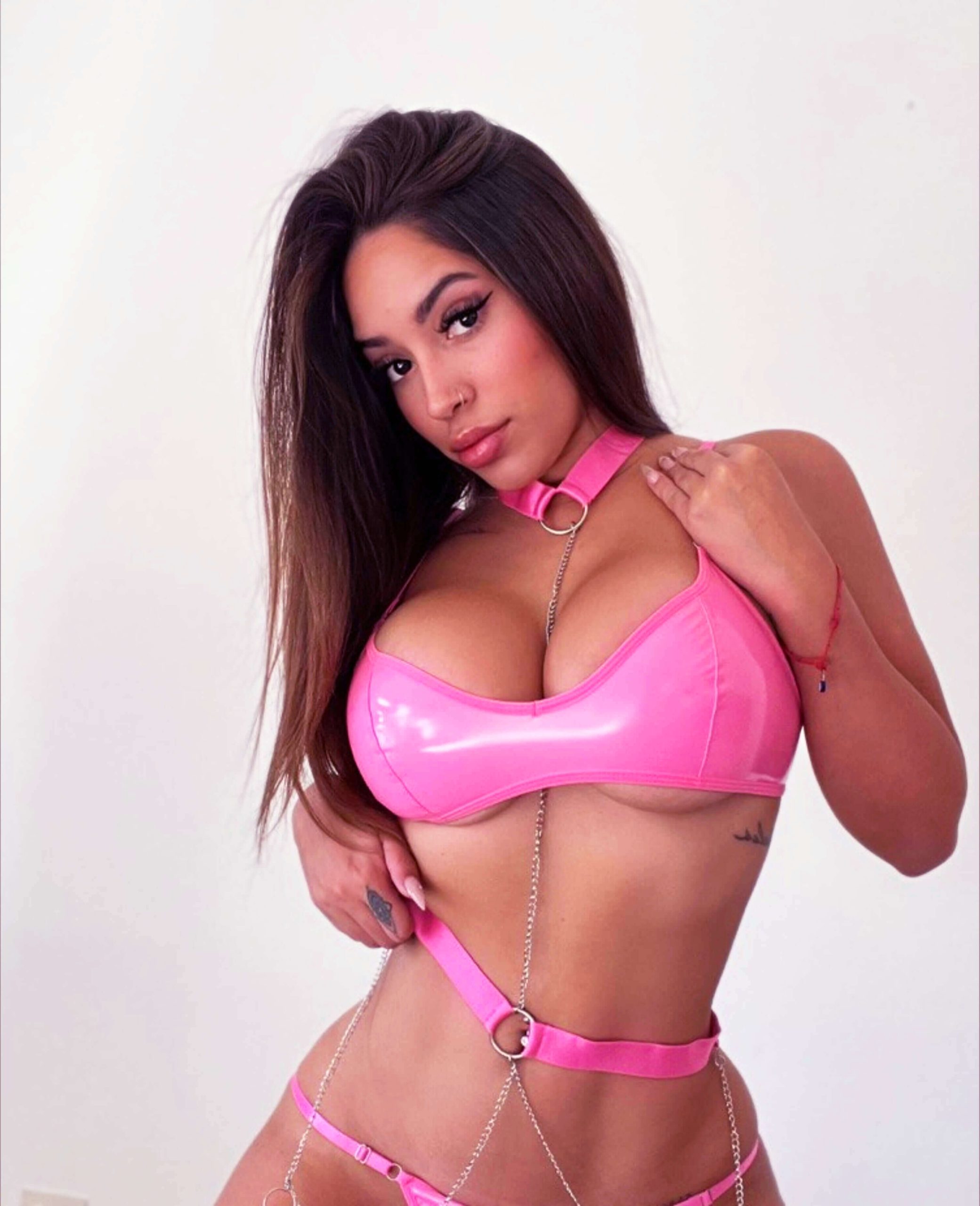
Filthy Latina MILF Paula Flores 😈 | Hot busty Latina MILF who delivers exactly what she promises. Personally one of my favorites, fiery, kinky, and always down for dirty talk and intense sessions. She knows how to dominate your screen. | FREE | View Profile |

|
Eli Goth 🖤 | Edgy goth brat who loves pushing your buttons. Sweet face but filthy attitude, perfect for subs and gooners who like being teased and controlled. | FREE | View Profile |

|
👅 Bunny Spits 💦 | Young, filthy, and zero limits. Bunny is the ultimate gooner submissive fantasy, messy, eager, and always ready to push boundaries. Great pick for fans of kink. | FREE | View Profile |
|
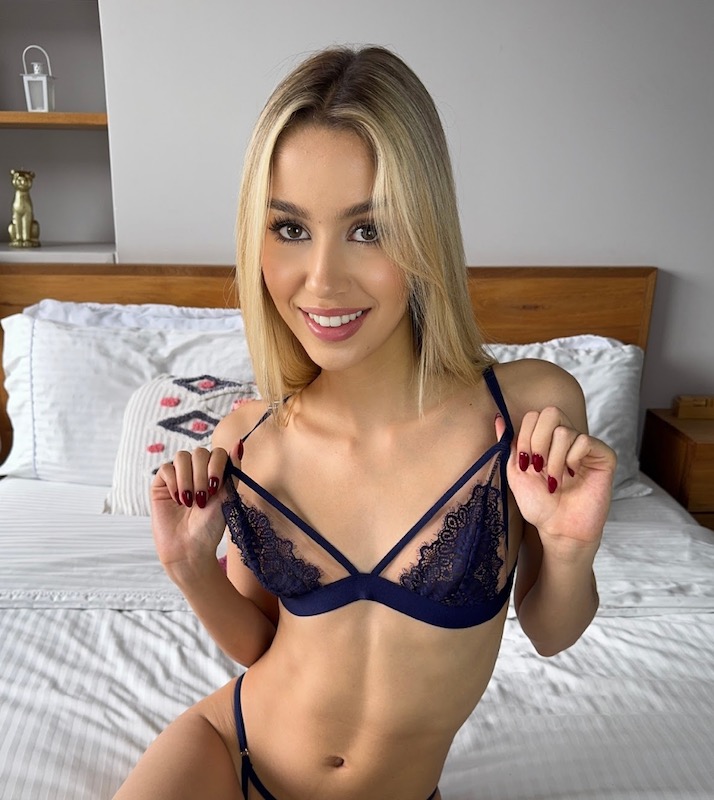
GermanJasmin 🇩🇪 | Confident petite German with a tight body and dirty mind. Feminine, ambitious, and surprisingly nasty in private. | FREE | View Profile |

|
🇬🇧 Submissive British Sofia 🧚 | Sultry British submissive with perfect tits and an addictive posh accent. Sweet charm meets total obedience, dangerously addictive. | FREE | View Profile |
|
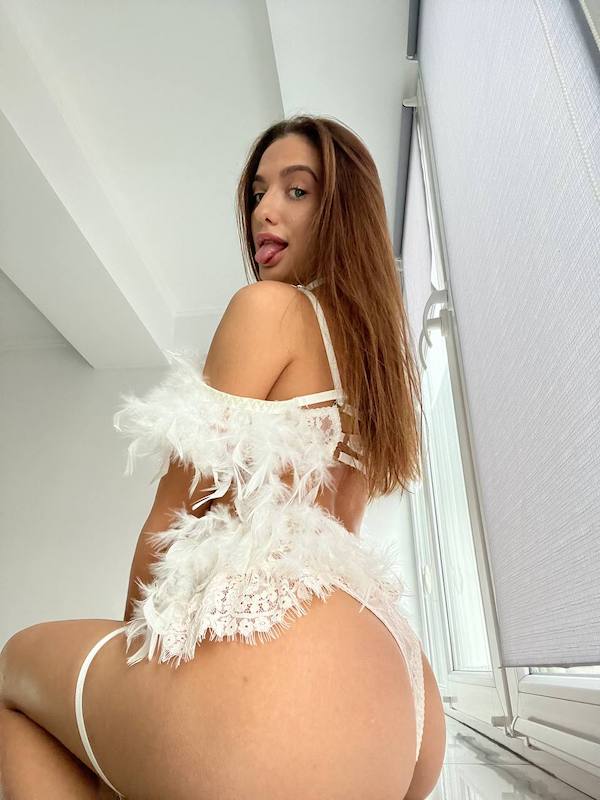
Mia Kvitka🌻 | Soft Ukrainian yoga instructor with traditional values and a hidden nasty side. Perfect mix of wholesome looks and private filth. | FREE | View Profile |
|
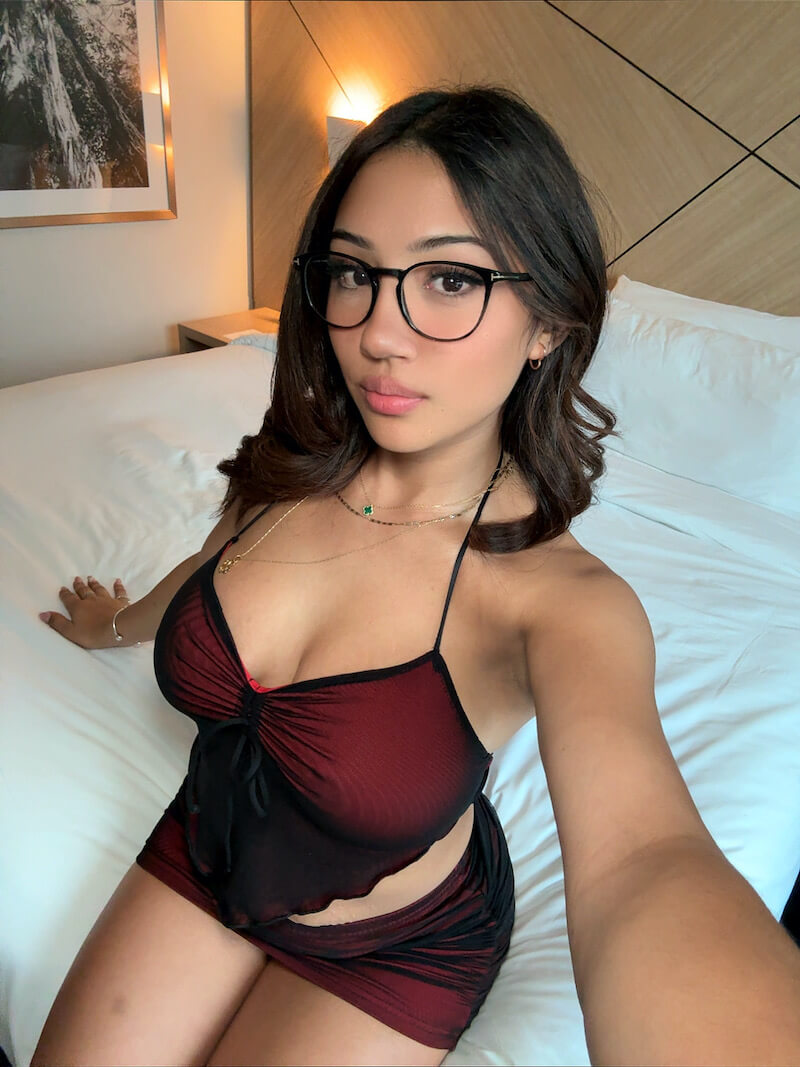
😈 Ali Cruz Da Latina 💓 | If you love curvy Latinas who go all the way, Ali is a must. Her JOI, B/G content and raw sexual energy make her one of the top choices in the spicy Latina kink category. | FREE | View Profile |
About the 3Dio mic family
The 3Dio microphone line has become a mainstay in professional and home studios that want true binaural accuracy without a bulky studio. The flagship models provide two mic capsules each designed to pick up sound in a way that mirrors human hearing. The result is a naturalistic stereo image that preserves the cues listeners expect sight sound smell and touch to feel real. The exact model you choose will depend on your budget and the level of portability you need. The most commonly used options are the 3Dio Free Space Pro II and the older 3Dio Free Space model. The Free Space Pro II uses two matched capsules housed in a life sized head replica with ear cups. The build quality is robust and the sound is exceptionally clean which makes it a popular choice for fetish and BDSM focused content where precise timing and proximity matter.
When you decide which model to use consider how you will transport it to shoots. The Free Space Pro II is a bit more cumbersome than compact USB mics but it offers superior impulse response and a smoother high end which pays off in dense dialogue close ups and breath sounds. If you need something lighter the original Free Space can still deliver excellent binaural results with a smaller footprint and simpler setup. Both models need a proper preamplifier and a reliable power source so plan your gear list accordingly. In any case the 3Dio is not a plug and play device in a rush situation. It rewards planning and careful handling with the best possible sound capture even in challenging rooms.
Essential gear to pair with the 3Dio for best results
Audio interface and phantom power
Most 3Dio models require an external audio interface to provide clean pre amplification and phantom power. Look for an interface with 24 bit depth and a sample rate of 48 kilohertz or higher. A quiet preamp with enough gain will let you capture intimate whispers and subtle air movements without hiss. If your interface has instrument level inputs avoid using them for the 3Dio as it is designed for microphone level signals. Check the interface manual to confirm the phantom power is enabled and stable before you start recording. If you are new to this you will appreciate a simple two channel interface that allows you to monitor in real time without latency headaches. A well chosen interface is the backbone of clean binaural capture and it pays off with more usable takes and less post production pain.
Cables and connection types
Two balanced XLR cables are standard for a 3Dio. It is critical to use quality cables with reliable connectors to prevent micro noise and crackling. Coiled or straight cables both have advantages; coiled cables can reduce stress on connectors during movement while straight cables keep things tidy in a rack or on a desk. Always secure cables to avoid accidental yanks that can ruin a take. Label cables if you are running multiple mics so you never mix channels during a rush shoot. The goal is consistent signal paths that you can trust session to session.
Monitoring and headphones
Closed back headphones are the best way to monitor binaural content. They block room noise and let you hear the fine details like breaths lip smacks and fabric rustle. Look for a comfortable pair with a neutral frequency response so you can hear how your binaural image translates across devices. If possible test headphones with the same content on different systems such as a phone and a laptop. This helps you avoid surprises when your audience listens on a variety of devices. Reference tracks that you know well should be part of every monitoring session so you can compare changes after edits.
Wind protection and protection for the mic
The 3Dio is designed to pick up sound in a near field; close proximity to breath and air movement can produce unwanted noise. Use a light windscreen or foam cover if you will be recording in a warm room with moving air or in a space where fans are running. A protective case when not in use protects the delicate ear capsules from dust and accidental impacts. Treat the mic with care it is a precision instrument and proper handling ensures long life and consistent sound quality.
Acoustic treatment and room awareness
A good room makes a big difference for binaural capture. Soft furnishings carpets and curtains absorb reflections that can muddle the clarity of the mic. If you are working in a kitchen or a hallway consider a lightweight portable recording enclosure or a small vocal booth for better control. You do not need a professional studio to get excellent results but a quiet room with some sound absorption can transform the quality of your recordings. When you are setting up think about where sound will bounce off walls and where the subject is likely to move during a scene.
Setting up the 3Dio for your shoot
Unboxing and assembly
Start by inspecting the mics and the ear capsules for any shipping damage. Gently attach cables to the mic bodies and secure any connectors with strain relief. If your model uses detachable ear pieces make sure they click into place and that there is no movement. Attach the mics to a stable stand with a good quality shock mount. A little vibration can ruin a take so a solid stand is worth the extra effort. If you are using a portable rig consider a boom stand that can be moved easily between takes without bumping the mic. Once assembled plug the mics into your interface and power up the chain.
Positioning the mic in the space
Placement is everything with binaural capture. The idea is to replicate how a listener would hear your scene from a fixed seat in the room. The 3Dio should be positioned so that the ear capsules face the sound sources you want to capture. If you want the voice to feel intimate place the mic slightly to the side and a few inches away from the mouth area. If you want a more ambient effect aim for a setup where the mic is off center and slightly above head height to capture movement without dominating the image. During a dynamic scene you might shift the mic slowly to track the action in a natural way while maintaining consistent level and stereo balance. Keep cables tucked away so they do not produce extra noise when actors move or when you reposition the mic.
Source placement strategies
Think about where the most important sounds come from in a scene. If you want dialogue or whispered commands position the mic near the actor or speaker and slightly off to one side to preserve the binaural image. For fetish content where breath and texture matter try a slightly closer position and let the voice ride on gentle breath. For tactile moments such as fabric rustle or foot movement aim to place the mic in a way that the sounds travel across both ears rather than directly into one capsule. You can also create a layered approach by using a second mic in a different position to capture room tone or specific textures. The goal is a coherent stereo field where sounds move naturally as the scene unfolds.
Managing reflections and room acoustics
Reflections can make a scene feel flat or unnatural. Use soft furnishings to dampen reflections and consider hanging a portable panel or blanket behind the subject to reduce flutter and echo. If you cannot alter the room you can physically move the mic further away from hard surfaces to reduce early reflections. Remember that binaural sound is highly sensitive to room acoustics so a little planning goes a long way. If the room is too dry or too lively you might capture too much reverberation which can mask delicate cues. In many cases a small amount of diffusion behind the mic helps create a more natural listening space.
Managing direct contact and touching sounds
During scenes where the subject touches fabrics or skin direct contact can create sharp transients. Position the mic so it captures these sounds with minimal clipping. If you are recording quiet whispers or delicate touches use a light touch on the sound stage to avoid overpowering the subtle details in the left and right channels. In post production you can apply gentle high frequency elevation to the binaural track if the sounds feel dull but do not overdo it or you can introduce noise that distracts from the scene. The aim is a clean natural capture that enhances the scene rather than competing with it.
Recording settings and signal chain
Preamp gain and phantom power
Set the preamplifier so that the loudest expected sound sits comfortably within the top range of the input without clipping. The noise floor should remain low so quiet sounds can be heard clearly. If you notice hiss reduce gain or improve shielding and check your cables for interference. Always verify that phantom power is stable before you begin recording to avoid pops and crackles that can ruin a take. It is better to adjust levels at the source than try to rescue a badly recorded track in post production.
Sample rate and bit depth
Record at 48 kilohertz 24 bit as a standard. This combination provides enough bandwidth for detailed binaural audio while keeping file sizes manageable. If your project demands extremely high resolution you can go to 96 kilohertz but be mindful of storage and processing requirements. The key is to balance quality with practicality so you can deliver consistent sessions without slowing your workflow down.
Channel balance and stereo imaging
Double check that both channels are active and that there is a balanced level between left and right. A common issue is one side being noticeably louder which can throw off the immersion. Use a test tone or a short spoken sentence to verify the stereo image before you roll. If you notice any drift during a session pause and recalibrate. Consistency matters when your audience expects a stable binaural experience across takes.
Monitoring during the take
Enable real time monitoring to ensure the signal path remains clean. Listen for pops wind hiss and mechanical noise. If you hear anything odd pause the session and identify the source. The ability to adjust on the fly is what separates good binaural content from great binaural content.
Recording workflow tips
Always start with a few minutes of high quality room tone to capture the ambience. This helps when you edit in post production to smooth transitions and maintain spatial cues. Keep a consistent microphone height and distance from the subject across takes if possible. Batch your takes by scene to make editing faster and ensure you maintain the same sonic footprint throughout the shoot.
Microphone care and handling
The 3Dio is a precision instrument and proper maintenance protects your investment. After each session wipe down the exterior with a soft microfiber cloth to remove fingerprints and oil. Do not use harsh cleaners that could degrade the surface. When transporting store the mic in its protective case to prevent dents and dust intrusion. Inspect connectors for wear and replace damaged cables promptly. If you plan to travel with the gear consider a lightweight protective bag that fits the mic and the interface securely. Regular maintenance reduces the risk of unexpected hiccups during a shoot and helps you keep a professional image for your audience.
Real world scenarios with sample requests and setup notes
Scenario one: intimate whispered command in a sound rich space
Situation You are filming a short safety aware interaction in a room with soft furnishings. You want the performer to speak in a calm whisper while the mic captures a full sense of proximity. You want the binaural effect that makes the listener feel like they are in the room with the participants.
Sample approach Begin with a few seconds of ambient silence then have the performer speak in a controlled whisper. Keep the mic position slightly off center and at mouth level about two to three inches away. Use a light touch on the fabric and the body to create a natural breath sound without overpowering the voice. After recording a quick check in your headphones to confirm the left right balance and the clarity of the whispered words. If you hear drift or distortion adjust levels and re record a short take.
Scenario two: close up foot and fabric sounds during a restrained scene
Situation You want crisp fabric sounds and careful foot rustle captured by the binaural mic. You need to keep the mic out of the action but still close enough to pick up the textures clearly.
Sample approach Place the mic just above the surface where the action occurs and angle the capsules toward the source of the noise. Keep a comfortable distance to minimize popping and ensure the mic does not pick up rapid movement noises from the stand. Record a few seconds of movement to judge the texture and balance between left and right channels. If needed adjust the angle to emphasize the creases of fabric and the subtle scraping of surfaces against skin. A short warm up before the main take helps you lock in a consistent texture for the listener.
Scenario three: dynamic dialogue with breath and ambience
Situation Two performers exchange lines with occasional breaths and sound cues such as leather creak or chair squeak. You want the binaural image to feel natural as the space changes with movement.
Sample approach Start with a neutral room tone then record a few rehearsal lines to calibrate timing. Position the mic to capture breath and voice without compressing the space. If a performer moves around the room consider a light repositioning of the mic to preserve the spatial cue as they shift. After the take listen for any channel imbalance and fix it in post as needed. The goal is a natural flow that makes the listener feel present without pulling attention away from the dialogue.
Post production tips for binaural audio
Post production can refine and elevate the raw capture. The aim is to preserve the natural spatial cues while cleaning up noise and ensuring a consistent listening experience across devices. Start by organizing your files with clear naming so you can quickly identify takes and scenes. Use EQ to shape the high end to reduce hiss and ensure the breath and fabric sounds stay crisp. A gentle noise reduction can help but avoid over processing which can blur the subtle spatial cues that define binaural audio. Panning should remain fixed for the entire take so the listener feels anchored in the space. Subtle compression helps level dynamic swings but do not squash the natural contrast in most kink scenes. A short de ringing pass can help if you notice any resonance after a loud moment. Finally render a final mix at the chosen sample rate and bit depth and export a version optimized for streaming with a safe loudness level for headphone listeners.
Syncing with video and other sound elements
When working with video you will often need to align the binaural audio with the on screen action. Use markers or a clap to align tracks quickly. If you have a separate ambient track you can mix it in at a low level to preserve the sense of space while ensuring dialogue and key sounds stay prominent. The result is a cohesive audio narrative that feels real and intimate rather than a mismatched collage of sounds. The right approach keeps the listener engaged and makes the scene more believable and immersive.
Quality control and final review
Always audition your final mix on multiple devices including headphones speaker system and a mobile phone. This helps you detect any phase issues or calibration quirks that could ruin the binaural sense for some listeners. A final pass on the left and right balance ensures there is no channel dominance that distracts the audience. If you are happy with the result you can proceed to publish or share with collaborators knowing the experience will translate across platforms and devices.
Safety and privacy considerations for binaural fetish content
As with any kink content safety matters. Make sure all participants consent to the recording and understand how the audio will be used and shared. Use clear consent forms and keep a record of each participants desires limits and boundaries. Consider privacy protections such as keeping faces anonymized in audio oriented clips especially if the listener is a direct fan. If you plan to include any personal data or references ensure you have explicit permission and follow applicable laws and platform policies. Respect for boundaries and transparency protects both the creators and the audience and helps sustain the space for high quality builds in your content library.
Care and maintenance checklist
- Inspect cables and connectors before each session
- Clean the mic exterior with a soft microfiber cloth
- Store the mic in its case when not in use
- Keep the microphone away from moisture and extreme heat
- Label and organize your takes for fast retrieval during edits
FAQ
What makes the 3Dio binaural mic different from a regular stereo mic
The 3Dio is built to capture sound with a natural spatial cue that mimics human hearing. Unlike a standard stereo mic its dual capsules and ear modeled design reproduce directional cues that trick the brain into localizing sounds in three dimensional space. This results in a more immersive listening experience when headphones are used.
Do I need a special interface to use the 3Dio
Yes you typically need an audio interface with phantom power and mic level inputs. The 3Dio outputs a microphone level signal that is routed through the interface for pre amplification and conversion to digital audio. Choose an interface with enough gain and low noise so you get clean results even with quiet voices and subtle textures.
What sample rate should I use for binaural content
Most creators settle on 48 kilohertz 24 bit as a starting point. This setting provides ample detail for localization and movement without creating excessive file sizes. If your project requires ultra high fidelity you can go to 96 kilohertz but ensure your workflow supports it and that your audience devices can handle it.
Can I use the 3Dio for field recording away from a studio
Yes the 3Dio can be used on location but you will want to protect it from wind and humidity. A portable windscreen and a compact boom or microphone stand help keep the mic secure while you move around the space. Plan for power and storage since location shoots can demand longer sessions and larger files.
How do I avoid common binaural pitfalls
Avoid placing the mic directly in line with a speaker and avoid moving the mic too quickly during takes as it can create unnatural spatial cues. Keep the room as quiet as possible and use acoustic treatment when available. Test the setup with a short sample before recording a full take to catch issues early.
Is it possible to record with more than one 3Dio at the same time
Yes you can create a more complex soundscape by synchronizing multiple binaural mics. You will need an interface with enough inputs and careful phase alignment in post production to avoid comb filtering and phase cancellation. This approach can deliver a rich immersive environment especially for scenes with multiple sound sources moving independently.
What is the best way to share binaural content with fans
Ensure fans have access to stereo headphone playback for the intended experience. Provide a clear description of the content focusing on the binaural aspect and its immersive nature. Consider offering high quality audio file downloads or private streams to preserve the integrity of the spatial cues and the listening experience.
Explore Popular OnlyFans Categories
Anal
Asian OnlyFans
BDSM
Big Ass OnlyFans
Big Tits OnlyFans
Bimboification
Bisexual OnlyFans
Brunette OnlyFans
Cheerleading Uniforms
College OnlyFans
Cosplay
Cuckold
Deepthroat OnlyFans
Dick Rating OnlyFans
E Girl OnlyFans
Exhibitionism
Feet
Fetish Models
Foot Worship
Goth
Hairy OnlyFans
JOI OnlyFans
Latex
Lesbian OnlyFans
Lingerie
Massages
No PPV
OnlyFans Blowjob
OnlyFans Streamers
Pegging
Petite OnlyFans
Piercings
Pornstar
Skinny
Small Tits
Squirting
Swinging
Tattoos
Teacher OnlyFans
Thick
Trans
Yoga OnlyFans
Oh and if you're looking for our complete list of the best OnlyFans accounts by niche, fetish and kink...check this out: Best OnlyFans Accounts
