
 Fuck Each Other Not The Planet Unisex
 Wear My Kink
Trigger Warnings: Essential Labeling


Welcome to Filthy Adult s essential guide to Trigger Warnings and labeling for kink content. If you crave the dark edge of BDSM content you should also check out the Best Dark OnlyFans article here: Best Dark OnlyFans. This guide breaks down why warnings matter what counts as a warning and how both fans and creators can label content clearly to keep everyone safe and satisfied. We will break down practical labeling strategies share real life scenarios and offer templates you can copy paste from today. Get ready to level up your consent culture with humor and honesty.
Why trigger warnings matter in kink content
Trigger warnings also known as TWs or content warnings are not a buzzword they are a safety tool designed to help people avoid content that could cause distress trauma flashbacks or physical responses. In kink and fetish spaces the stakes can feel personal because the material is intertwined with identity boundaries and emotional safety. A thoughtful TW does more than decorate a post with a label it sets expectations shapes consent and protects mental health. The goal is not to spoil the fantasy it is to keep the experience enjoyable for everyone involved. When a creator uses clear labels fans can decide in advance whether a clip story or scene aligns with their current boundaries and triggers. When fans understand these labels they can opt in with confidence or skip content that might be unsafe for them at that moment.
For creators TW labeling is a form of professional courtesy a commitment to inclusivity and a way to build trust. Labeling helps reduce miscommunication avoid accidental exposure and prevent situations where a viewer feels blindsided by a theme that triggers a difficult memory. The labeling process is an evolving practice that benefits the entire community because it raises the standard for quality content and respectful interaction. If you are new to the language here are quick definitions that will keep you from feeling like you walked into a club without a gauge on the door.
What is a trigger warning
A trigger warning is a brief note at the start of content that signals potential topics or visuals that could provoke a strong emotional or physical reaction. It functions like a heads up a shortcut to decide whether to engage at that moment. A well crafted TW is specific rather than vague for example TW: graphic violence or TW: medical play with blood. Vague warnings such as explicit content are less helpful because they do not tell the viewer what might be disturbing or harmful. When a TW is specific it empowers fans to decide if this content is safe for their present state of mind or not.
What is content labeling CW
Content labeling is a broader practice that includes TW as well as categorical tags like rough play soft play romance power dynamics and body exposure. A CW might list several categories in one place for quick scanning. Think of CW as a table of contents that guides viewers through the themes and intensity levels present in a piece of content. Together TW and CW give a viewer a map before they engage with material that could affect their wellbeing. This approach also helps fans build a vocabulary for discussing their limits with creators in a clear friendly way.
Best Dark OnlyFans - Updated October 2026
| Picture | Model Name | Description | Price | View Profile |
|---|---|---|---|---|

|
🌹 Lexy - Fifty Shades of Fantasy 🌹 | Hey, I’m Lexy, your Ukrainian muse weaving pleasure and artistry into every moment. Think Fifty Shades of Grey with a twist of elegance—soft silk, subtle control, and electric energy. 😘 Whether I’m leading with confidence or surrendering to the vibe, my world is all about sensual details and quiet power. Join me for exclusive, breathtaking content: from sultry yoga flows to modern art-inspired visuals that ignite your senses. My page is your sanctuary for beauty, desire, and connection. Ready to explore the depths of passion with me? Subscribe now and let’s create something unforgettable. 💋✨ | FREE | View Profile |

|
😈🥵PETITE ASIAN Jamie Luna | Tiny Asian fucktoy who drops full length videos daily. Anal, creampies, facials, JOI and dick rates on demand. | FREE | View Profile |

|
Laila 🔥 La Diosa Dominicana | Seductive Dominican goddess who mixes sweet charm with raw dominant energy. She’ll have you addicted fast...confident, bossy, and dangerously addictive. | FREE | View Profile |
|
😈 Ali Cruz Da Latina 💓 | If you love curvy Latinas who go all the way, Ali is a must. Her JOI, B/G content and raw sexual energy make her one of the top choices in the spicy Latina kink category. | FREE | View Profile |
|
😈 Anna Filthy Princess 👑 | Innocent face, filthy mind, and insanely flexible body. This yoga princess is one of the best hidden gems for fans of submissive flexibility and total corruption. Highly recommended. | FREE | View Profile |

|
❤️Mira 🇲🇾 | Quiet Asian girl who needs attention and slowly turns into a needy slut. Soft start, filthy finish. | FREE | View Profile |
|
Kristine Martinsen 🇳🇴 | Cute accounting student with a secret slut side. Petite body, playful tease, and gets needy when treated right. | FREE | View Profile |
|
🇬🇧 Submissive British Sofia 🧚 | Sultry British submissive with perfect tits and an addictive posh accent. Sweet charm meets total obedience, dangerously addictive. | FREE | View Profile |

|
ミ💗Mariposa💗彡 | Precision by day, complete whore by night. She designs buildings then bends over and turns every fantasy into a dripping mess. | FREE | View Profile |
|
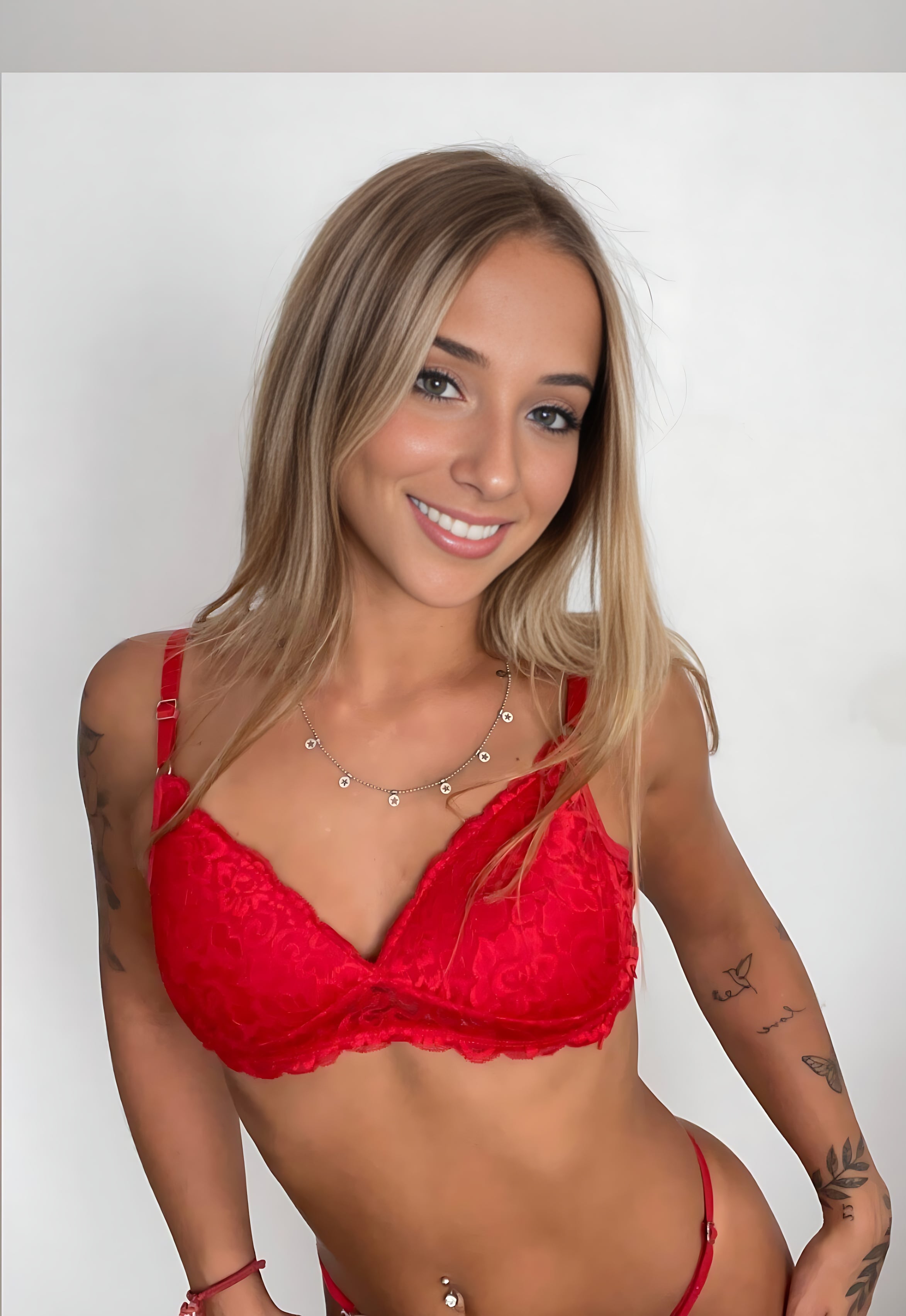
Viktoria Kristensen 🇳🇴✨ | Adorable petite Scandinavian blonde with a naughty playful side. Sweet smile, tight body, and loves teasing...instant gooner bait. | FREE | View Profile |
Common triggers and essential labeling strategies
Triggers can vary widely from person to person but certain themes come up frequently in kink and fetish content. Here is a practical map of common triggers and how to label them effectively. The goal is to be precise not sensational. Use labels that are easy to understand and that set expectations without being judgmental or punitive.
Violence and injury
TW: mentions of violence or physical harm within scenes. If a clip involves simulated impact restraint or aggressive play make sure the label specifies the type and intensity. Labels such as TW: light impact or TW: rough handling help fans decide if they want to engage with the material during the moment. For some viewers even light impact can be a flashpoint so add as much detail as possible including duration and whether sounds are included or not.
Blood and gore
TW: blood and gore is a specific category. If a scene includes simulated blood play or graphic injury the label should spell out the presence of blood the level of realism and any medical style elements that might be triggering. Clarity here prevents unwanted experiences and demonstrates responsibility on the part of the creator.
Self harm or injury related content
TW: self harm or injury content requires careful handling. If a scene involves self restraint or self inflicted pain include a precise description of the actions and the risks involved. Many fans appreciate content that promotes safety and aftercare details to underline healthy engagement and to reduce distress after a session.
Medical play
TW: medical play can involve needles invasions or sterile environments. The label should specify the sub themes used such as needle play blood pressure regulation or intimate exam roleplay. The more detail the better because it helps fans judge whether they want to engage with the material given their own comfort levels and past experiences.
Roleplay and consent dynamics
Label each power dynamic clearly. TW can cover the tone of the scene the level of risk involved and whether there are safe words or safety protocols. A clean approach includes TD by title for example TW roleplay consent negotiation or TW power exchange with safe word emphasis. This helps fans track how intense the scene will be and whether the portrayal aligns with their boundaries.
Age play and age related themes
We treat age play with extreme caution. If any content involves participants who are or appear to be under age the label must clearly state non sexual content only or be avoided entirely. If you are uncertain about any content that touches on age please skip it and focus on material that is clearly within the safe boundaries of adult audiences only.
Fetish specific triggers
Fetish content ranges from foot play to latex to bondage to sensory deprivation. For each fetish include a TW that highlights the specific trigger such as TW: latex allergy or TW: claustrophobic bondage. Fans appreciate precise language and creators who share their comfort levels regarding intensity and duration of the scenes.
Explicit sexual content and boundaries
TW labels can include explicit sexual activity but you should also tag for nudity level and whether there is full penetrative sex depiction or anal play or any forms of voyeurism. Clarity helps fans decide if such explicit material is something they want to pursue at that moment while ensuring that the content aligns with personal values and legal considerations.
Essential labeling standards for creators
Labels work best when they are consistent clean and easy to scan. Here is a practical playbook for creators who want to elevate their labeling game without losing their voice. The aim is to build trust with fans while staying true to the brand tone that makes your content stand out.
Create a labeled content menu
Develop a labeled content menu that lists all TW CW categories you regularly use along with examples of scenes that fall into each category. A simple table can be included in your bio or pinned post so fans always know what to expect before subscribing or watching. A strong menu helps both new fans and returning subscribers navigate quickly and reduces repetitive questions in DMs which saves you time.
Be precise about scope and intensity
Describe the intensity using clear terms like light medium heavy or hard. Include duration where possible and note whether a scene includes sound visual effects or close up imagery. Specifics empower fans to choose content that aligns with their comfort level without derailing the mood or the vibe of the brand.
Use content warnings at the top of every post
Always place TW CW at the very top of a post for easy scanning. If you share a clip caption include the warning there as well. Fans who quickly glance at a thumbnail should be able to decide whether to engage without scrolling through the entire feed looking for details.
Consistency across formats
Apply the same labeling logic to photos videos live streams and archives. If a video uses a particular trigger signal the same label should appear on all formats that include that trigger or related content. Consistency reduces confusion and builds trust with fans over time.
Accessibility matters
Provide alt text captions for images and offer transcripts for audio heavy clips. Clear accessible labeling expands your audience to people who rely on screen readers or who process information better in text form. It also makes your content easier to catalog for fans who prefer reading to watching.
Labeling best practices for fans and communities
Fans drive the demand for thoughtful labeling by supporting creators who take safety seriously. Here are proven best practices fans can adopt when engaging with content and creators. The idea is to foster a culture where open communication property boundaries and care for mental health are obvious and normal.
Ask before you engage
When in doubt ask a creator for clarification about TW CW. A short polite message can go a long way. For example I would like to know if this clip contains any form of violent play and if there are specific safe words used in the scene. This kind of question demonstrates maturity and respect for boundaries.
Respect the stated limits
Creators may have hard boundaries that are non negotiable. If a label indicates certain activities are off limits honor those boundaries. Pushing past rules leads to blocked accounts and to a loss of trust that is hard to rebuild.
Share feedback constructively
If you found a labeling system helpful tell the creator and share how it helped you navigate the content. Positive feedback reinforces good habits and makes it more likely that the creator will continue investing in clear labeling.
Report mislabeling
If you encounter content that is mislabeled or mislabeled at scale report it through the appropriate channel on the platform. Responsible reporting protects vulnerable fans and helps the creator correct their labeling approach for the future.
Accessibility and inclusivity considerations
Labeling should consider the needs of fans with sensory processing differences mental health challenges and language barriers. Use plain language avoid slang that might be misinterpreted by readers who are not native speakers. Provide optional captions and transcripts when possible and offer a short glossary of terms used in your TW CW to help fans who are new to the scene. Creating inclusive labeling improves the overall experience for a wider audience and makes the kink space more welcoming and safer for everyone.
Common labeling mistakes and how to avoid them
Even the best creators slip up sometimes. Here are frequent missteps and practical fixes you can apply right away. The goal is to identify and fix issues that lead to confusion misinterpretation or harm rather than blame.
- Too vague warnings Fix by specifying the trigger type and the exact elements that could be triggering.
- Heavy spoilers in the label Instead of spoiling the scene keep the label descriptive yet discreet while letting the fan know the general category.
- Labels that change mid series Maintain consistency across episodes to avoid confusion for fans who follow long term storylines.
- Forgetting to label audio heavy content Add TW for audio only triggers if the sound track includes heavy breathing moaning screaming or other intense sounds.
- Ignoring accessibility Consider adding alt text transcripts and captions to improve accessibility.
Real life scenarios that show how labeling improves the fan experience
Put yourself in these shoes and see how labeling can shape the exchange between fans and creators. Real life scenarios help you translate theory into practical action. You will notice how quick decisions get easier when labels are clear.
Scenario one One sentence with a twist
You binge a new series about power exchange and you are recovering from a recent anxiety spike. A short TW at the top of the first episode reads TW: intense voice over and aggressive behavior. You pause you skim the label and decide to watch a lighter episode instead. The result you stay within your comfort zone and you continue to engage with the creator rather than walking away frustrated.
Scenario two A creator updating a label mid season
A creator introduces a new scene featuring rough bondage and a more intense vocal performance. They post a brief TW TW: intense bondage and aggressive roleplay with a note that viewers should opt out if they are not ready for a high intensity scene. A thoughtful label update prevents a new viewer from being blindsided and shows the creator respects ongoing feedback from the audience.
Scenario three A fan requesting a label change for accessibility
A fan with sensory processing challenges asks a creator to add a text based description of visuals and to include a transcript for audio tracks. The creator responds positively and updates the post providing the requested details. The outcome is a richer inclusive experience that broadens the fan base and builds goodwill within the community.
Scenario four A casual viewer exploring new content
A viewer who is curious about a new fetish reads a TW labeled post that clearly explains the risks and safety steps involved. They decide to start with a milder example and gradually explore more complex material. The labeling keeps curiosity from spiraling into discomfort and forms a bridge between exploration and safety.
Templates and tools you can reuse today
Having ready to copy templates saves time and ensures labeling consistency. Use these templates as starting points and tailor them to your specific content and audience. Regularly review and update your templates to reflect evolving practices and community feedback.
Labeling for creators quick templates
- TW: specify trigger and intensity for example TW violence light or TW blood content.
- CW: include multiple categories such as DP sexual content rough play and medical play as applicable.
- Note: mention duration intensity any safety protocols and whether there is a safe word used during the scene.
Labeling for fans quick templates
- Before engaging: read the TW CW to understand triggers and boundaries.
- During engagement: keep a list of your own boundaries and do not hesitate to stop the video or skip a scene if something feels off.
- After engagement: reflect on what worked and share constructive feedback with the creator to improve future labeling.
Content description sample
TW mild risk transition to medium intensity and potential sharp sensory cues. CW categories include rough play power dynamics and breath control. The scene features a two minute progression with a safe word and post play aftercare tips included.
How to implement labeling across platforms and formats
Labeling should follow a consistent system whether you are posting to OnlyFans social media or your own blog. Start with a short label at the top of the post then expand into a full description in the body. Include a short bulleted list of triggers in the description and provide a longer more detailed notes section for fans who want it. For videos consider adding captions and a transcript so viewers who process information through reading can still engage with your content. When labeling across channels maintain the same terminology so fans recognize the code you use and know what to expect each time they click.
Safety first and consent always
Safety is core to sustainable kink content. Labeling is a practical tool that supports consent and protects mental health. If you are a fan you should not be ashamed to ask for more information or for adjustments that help you feel safe. If you are a creator you should see familiar labeling as a service that increases engagement and reduces return issues. The culture you build around labeling reflects your values as a creator and it has a direct impact on the longevity of your brand.
Final thoughts on labeling and community care
Labeling is not a box to check it is a living practice that grows with the community. When audiences and creators collaborate on clear TW CW vocabularies the kink space becomes a place where curiosity can thrive without compromising safety. By adopting precise labels you create a culture of respect and accountability that supports everyone from newcomers to seasoned explorers. If you want a reference point for some of the best dark content to model your labeling after take a look at the main hub article we mentioned earlier which is linked here again for easy access: Best Dark OnlyFans. Keep your labels sharp your communication clear and your aftercare generous. This approach makes the journey through kink content more enjoyable for all involved and helps your community grow with confidence and humor.
Explore Popular OnlyFans Categories
Anal
Asian OnlyFans
BDSM
Big Ass OnlyFans
Big Tits OnlyFans
Bimboification
Bisexual OnlyFans
Brunette OnlyFans
Cheerleading Uniforms
College OnlyFans
Cosplay
Cuckold
Deepthroat OnlyFans
Dick Rating OnlyFans
E Girl OnlyFans
Exhibitionism
Feet
Fetish Models
Foot Worship
Goth
Hairy OnlyFans
JOI OnlyFans
Latex
Lesbian OnlyFans
Lingerie
Massages
No PPV
OnlyFans Blowjob
OnlyFans Streamers
Pegging
Petite OnlyFans
Piercings
Pornstar
Skinny
Small Tits
Squirting
Swinging
Tattoos
Teacher OnlyFans
Thick
Trans
Yoga OnlyFans
Oh and if you're looking for our complete list of the best OnlyFans accounts by niche, fetish and kink...check this out: Best OnlyFans Accounts
