
 Fuck Each Other Not The Planet Unisex
 Wear My Kink
Dull Blades: Using Props for Safety

Welcome to a practical guide built for folks who want the edge of danger without risking it. If you are exploring knife themed play in a responsible way you already know the vibe can be intense and cinematic but safety has to come first. This guide walks you through choosing the right dull props setting up a safe space and running scenes that feel sharp in mood without ever meaning harm. For a broader guide on knife themed content check out Best Knife OnlyFans. That link is your map to the best creators and content in this niche and it helps you understand how safety fits into the bigger picture.
In this article we break down why dull blades work as props and how to make them practical for performance oriented play. You will get a clear view of the gear you need to assemble a safe setup the steps to prep a scene the language you should use with partners and the kinds of mistakes to avoid. The aim is to give you usable checklists vivid real life scenarios and a solid framework you can apply in your own scenes alone or with a partner. And yes we will keep it funny honest and down to earth because this world deserves clarity and a bit of swagger.
Why use dull props instead of real blades in knife scenes
The instinct to lean toward real blades can be strong when the scene calls for danger and precision. The reality is that real blades carry risk that is not worth taking in most intimate settings. A dull prop knife or a blade shaped object offers a controlled silhouette a convincing presence and a reduced likelihood of injury. Props let you stage grip push and blade motion without the same level of risk. They give you the chance to choreograph close contact to build tension and drama without crossing safety lines. In practice a dull prop captures the visual and tactile cues you want while keeping your scene firmly within safe boundaries.
Think of the prop as a theater tool rather than a weapon. The goal is to evoke mood attitude and tension through posture timing and camera angles rather than actual cutting or contact. When used correctly props can enhance storytelling amplify a theme and increase trust between partners because safety is visible and predictable. You can rehearse and refine your moves until every motion feels deliberate and safe which in turn makes the moment even hotter. The result is a scene that feels dangerous in the best possible way while keeping everyone secure.
Best Knife OnlyFans - Updated October 2026
| Picture | Model Name | Description | Price | View Profile |
|---|---|---|---|---|
|
🌹 Lexy - Fifty Shades of Fantasy 🌹 | Hey, I’m Lexy, your Ukrainian muse weaving pleasure and artistry into every moment. Think Fifty Shades of Grey with a twist of elegance—soft silk, subtle control, and electric energy. 😘 Whether I’m leading with confidence or surrendering to the vibe, my world is all about sensual details and quiet power. Join me for exclusive, breathtaking content: from sultry yoga flows to modern art-inspired visuals that ignite your senses. My page is your sanctuary for beauty, desire, and connection. Ready to explore the depths of passion with me? Subscribe now and let’s create something unforgettable. 💋✨ | FREE | View Profile |

|
Kira 💎 | Fresh Asian girl still new to this. Soft and cute now, but clearly waiting to get broken in. | FREE | View Profile |
|
Slutty Sofia💕 | Your filthy Eastern European Slutty Brat, sometimes a filthy submissive...but only for men who are worth it. Are you worth it...? ☀️ I've been drawing since kindergarten and it's always been easy for me, but now I have a special urge to draw naked men, especially I like to draw details 🙈 I don't want to fight this urge, on the contrary I want to completely surrender to my feelings 😋 I'm here for inspiration and to develop my potential, maybe you could lend me a snapshot of your body for practice? 😉😈 | N/A | View Profile |

|
Dominatrix Luna 🐈⬛ | Strict Mommy Domme who excels at total control and sensual humiliation. Perfect for subs craving real power exchange and surrender. | FREE | View Profile |
|
Valentina 🍑 BIGGEST ASS ON ONLYFANS | Latina 🍑 fire with the biggest cheeks. She takes 😈 charge and makes sure you feel it. | FREE | View Profile |
|
Mia Kvitka🌻 | Soft Ukrainian yoga instructor with traditional values and a hidden nasty side. Perfect mix of wholesome looks and private filth. | FREE | View Profile |
|
Kristine Martinsen 🇳🇴 | Cute accounting student with a secret slut side. Petite body, playful tease, and gets needy when treated right. | FREE | View Profile |
|
Viktoria Kristensen 🇳🇴✨ | Adorable petite Scandinavian blonde with a naughty playful side. Sweet smile, tight body, and loves teasing...instant gooner bait. | FREE | View Profile |
|
🇻🇳 Rae (´。• ᵕ •。`) | Cute Vietnamese cutie who’s shy in public but gets playful once you subscribe. Perfect for soft teasing and slow corruption. | FREE | View Profile |
|
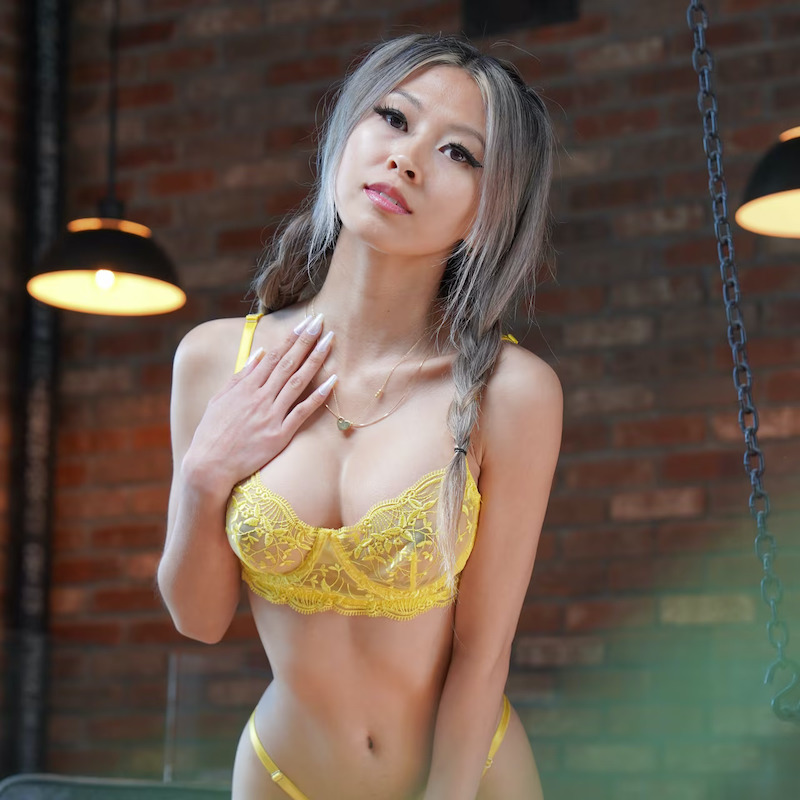
😈🥵PETITE ASIAN Jamie Luna | Tiny Asian fucktoy who drops full length videos daily. Anal, creampies, facials, JOI and dick rates on demand. | FREE | View Profile |
Choosing the right prop blades for safety and performance
Prop blades come in many forms and the best choice depends on the looks you want and how you plan to move. The key idea is to select materials that appear sharp but do not pose real danger. Here are several solid options rank ordered by their level of risk and realism.
Foam and soft rubber blades
Foam and soft rubber blades are the safest option for most beginners. They resemble the silhouette of a knife and they make a convincing click when the handle hits a hard surface. The bulk of the material absorbs impact which reduces the chance of injury. These props are ideal for thrusting motions slow glides and dramatic pauses. They pair well with clean lighting and close up camera work to amplify texture without risk.
Silicone or silicone coated blades
Silicone blades offer a closer feel to a real blade while maintaining safety. They bend slightly under pressure which makes them forgiving for contact while still providing a convincing edge line. Silicone props are great for longer scenes with multiple takes because they hold their shape and are easy to clean after filming. They also resist cracking and splintering that can happen with foam under intense use.
Resin or plastic blades with a blunt edge
Blunt edged resin or heavy plastic blades give you a realistic weight and line without the sharp edge. These props look sharp in photos and on camera and they can be carved or molded into customized shapes if you want a signature tool for your scene. They require the same respect you give any prop but the risk of cut injuries is significantly reduced compared to real steel or sharp edged props.
Wooden dowel blades with a fake edge
A carved wooden dowel can serve as a visually convincing blade especially when painted to resemble metal. This option is sturdy holds up well under movement and can be coated for a more metallic sheen. The key is to keep the edge blunt and to avoid real contact with skin. This type of prop is durable versatile and surprisingly expressive when combined with the right staging.
Edges and safe feel tips
Regardless of material several tricks push the scene toward edge without actual danger. Use a visible but non functional edge that catches light similarly to a real blade. Keep the tip directed away from sensitive areas and never point toward the face or joints. Focus on the line of motion the sound of contact and the partner reaction to simulate danger without risk. Lighting plays a crucial role here a sharp top light to highlight the blade silhouette and a softer fill to avoid harsh shadows can sell the mood while maintaining control.
Equipment and safety gear you should have on hand
The right setup is more than the blade it includes the space the people and the rules. Build a practical safety kit and a clear plan for how you will handle any issue that comes up. Here is a tested starter list you can customize to your space and your scene style.
a dull foam blade a silicone blade a resin blade with a real looking edge a wooden prop blade and any other non sharp tool that serves the look you want safety glasses or protective eye wear to prevent accidental eye contact and soft gloves to improve grip and reduce friction on the skin mats cushions or a padded surface so energy transfers stay gentle and controlled a basic first aid kit a phone charged and within reach a clear plan with a safe word and mutual signals mild soap warm water sanitizing spray and a soft cloth for quick cleanup between takes a practiced safeword a set of agreed signals and a pre scene checklist
Safety gear is not a pretend add on it is part of the scene. Your audience will sense when participants feel protected because that confidence translates into hotter performance. Keep your gear visible and within arm’s reach so you can respond quickly if something changes during the scene. A calm organizer or spotter can monitor the energy and help regulate intensity. A spotter is especially useful during first attempts with props because they can step in to prevent an overstep and remind everyone of the agreed boundaries.
Consent boundaries and safe word basics for blade scenes
Consent is the backbone of every scene particularly when props imitate danger. Before you even bring a blade prop into a room you should discuss boundaries and limits with your partner. You want to know what is absolutely off limits and what would be a hard no. A safe word is essential a project that is easy to remember that stops everything instantly. Some people prefer a traffic light system red for stop yellow for slow down and green for continue. The language you use should be short memorable and unequivocal. Rehearse the safeword in a low energy moment so it feels natural when tension rises during a scene.
Always confirm after a tense moment that both people are still comfortable and in agreement with how the scene progressed. If someone expresses discomfort at any time you pause and reassess. It is your responsibility to protect the person you are playing with just as you would want to be protected.
Scene design and choreography using dull blade props
Designing a scene around a blade prop invites drama speed and precision. The choreography should emphasize controlled movements clean lines and the illusion of danger rather than actual risk. Start by mapping the space visualize where you will stand how you will move and where your partner will be to maintain distance when necessary. Work from slow deliberate motions to faster more assertive moves as your chemistry and comfort level grow. The goal is to create a sequence that feels cinematic while staying within safe margins.
Blocking your moves
Blocking is how you position your bodies and props during the scene. Begin with a wide stance to create a strong silhouette then narrow in as the tension builds. Keep the blade prop angled away from any direct contact with skin. When you lean in to imply contact choose a simulated action such as tracing a line along fabric or skin with the dull edge you show intent without touching. Practice the timing of each movement in rehearsal so every motion lands with intention rather than impulse. The more practiced you are the more confident and intense the moment will feel.
Camera work and storytelling
Camera work can intensify a scene even when the prop is not dangerous. Use close ups of hands gripping a handle the edge glint on the blade and the partner’s breath to convey danger. Slow motion can highlight the tension and make small actions feel significant. If you work with a partner on a longer clip rehearse dialogue and commands that align with the scene tone. A well written line or command can carry a lot of impact even without contact.
Sound design and texture
Sound matters in scenes with props. A soft click a gentle brush across fabric a faint rustle of leather all contribute to the atmosphere. You can layer ambient room tone and light foley for the blade to create a sense of danger without risk. The texture is a star here texture in fabric in skin in the surface of the prop. The audience will respond to texture cues just as much as to any visible flourish.
Real life scenarios showing how to request or perform with safety
Below are practical scenarios that model how to approach blade prop scenes with care. Use these as templates adjust details to your preferences and always confirm comfort levels with your partner before you begin.
Scenario one how to propose a controlled prop reveal
Situation You want a suspenseful reveal of a prop blade that remains safely sheathed or clipped away until a cue. You want to focus on posture atmosphere and reaction rather than actual contact.
Sample approach Hey I want to film a scene where the blade prop appears in a dramatic reveal but never actually touches skin. I would like you to maintain a comfortable distance show a dangerous gaze and deliver a line about control. Let me know if you are comfortable with a soft lighting setup and a short pause after the reveal for effect. Please share your availability and rate.
Scenario two a tense exchange with a blunt edge safe hold
Situation You want a moment of power play where the prop acts as a symbol rather than a weapon. The blade should be kept away from the body and you want to emphasize consent and control through command and compliance language.
Sample approach I would like a five minute clip where the blade prop is shown held away from the body. You will issue commands and I will respond with compliance. The edge must stay blunted and away from any exposed skin. Let me know your rate and how you want the scene to progress after the cut.
Scenario three close up of texture and reaction
Situation You want an intimate focus on texture lighting and the partner’s reactions rather than action. The blade prop should be in frame but not contact is made with the skin.
Sample approach Could we do a close up shot of the blade texture the handle and the grip while I respond to your commands with a soft voice. The clip should include a gradual cornering of the camera to intensify the mood. Please send your price and delivery window.
Scenario four rehearsals to build trust and safety
Situation You are new to blade props and you want a low risk rehearsal session to build comfort. You will practice safe distance line delivery and check in after every beat of the scene.
Sample approach I would like a 15 minute rehearsal with a blunted prop. We will focus on safe distance controlled movements and a clear safeword. I will share a written plan and we can adjust timing as we go. Please confirm your availability and hourly rate.
Safety checklists you can print and use on set
Having a simple checklist helps you stay centered during a tense moment. Use this list before you start and again during a break in the scene to ensure nothing has shifted unexpectedly.
- Props inspected check the blade shape material edge bluntness and balance. Ensure there are no sharp points or exposed edges that could harm skin.
- Space cleared remove clutter and ensure there is enough room for movement without danger.
- Barrier placed lay down mats or cushions under the action area to absorb impact and reduce risk of injury.
- Safety gear ready gloves eye protection and a spare prop in case the first is damaged.
- Communication plan reviewed confirm safewords and signals are understood by all participants.
- First aid and emergency plan accessible everyone knows what to do in case of incident.
Gear and terms explained so you do not look like a clueless mess
Understanding jargon helps you feel confident and speak clearly when negotiating scenes. Here is a quick glossary with practical definitions you can use on set or in messages with a partner or creator.
- Prop blade A blade shaped object used for appearance and mood rather than cutting or contact.
- Blunt edge A tip or edge that cannot cut skin even with pressure maintained. Always confirm the prop is blunt before use.
- Safe word A pre agreed word or signal to stop immediately. It should be easy to remember in a moment of tension.
- Spotter A third person who watches the scene and can pause if something becomes unsafe or uncomfortable.
- Edge lighting A lighting technique that highlights the silhouette of the blade prop to improve visual impact without risk.
- Texture focus Emphasizing surface details on fabric skin and the prop to convey danger through sensation rather than contact.
- Choreography The planned sequence of actions and positions designed to maximize mood while maintaining safety.
Search phrases and how to find the right blade prop for your scenes
You will want to pair your blade prop with the right vibe which means choosing phrases that match your tone and your risk level. Use descriptive words and be specific about materials and edge properties. For example you can search for brittle edge appearance cruelty free prop belief or dramatic glassy blade style. These phrases help you find creators and suppliers who understand the safety aspect of blade props and can customize their offerings to your standards. If you are unsure start with broad searches for blade props and then narrow down to safe blunt edges and foam or silicone materials. Always check the safety details in the product description and ask questions if anything is unclear.
Common mistakes fans make and how to avoid them
Rookie mistakes can derail a scene fast especially when props add a sense of danger. Here are frequent missteps and straightforward fixes to keep your sessions smooth and exciting.
- Using a real blade Fix by swapping to a properly designed prop blade and confirming it has a blunt edge and no sharp surface.
- Forgetting safety gear Fix by having protective eyewear gloves and a first aid kit within reach and visible to everyone on set.
- Ignoring space and barrier needs Fix by clearing the play area and placing padding or mats under the action zone.
- Skipping rehearsals Fix by practicing the sequence at slow speed to build trust and reduce risk before any live action.
- Neglecting aftercare Fix by planning a calm aftercare routine and checking in with your partner immediately after the scene ends.
How to vet a blade prop setup before you film
Vetting a scene means confirming that the art direction aligns with safety standards and that the equipment meets your standards. Use a short pre production checklist to verify materials the vibe the space and the people involved. Confirm the prop materials the edge profile and the weight and balance of the blade. Ask for close up images of the prop during lighting to ensure the blade lines read well in camera and that there is no way for the edge to cause harm. Confirm the presence of a spotter and a clear safety plan with a written agreement about safewords and signals. When all of these checks are complete you can feel confident moving into a filming session with a blade prop.
Real life scenarios that show what to request in writing
Having written templates helps you communicate clearly with a creator or partner. Below are ready to reuse messages you can tailor to your scene and preferences. These samples assume a dull prop blade is being used and safety gear is in place. Modify the length denier and texture details to fit your aesthetic.
Scenario one the slow reveal with a blunt edge
Situation You want a slow reveal with a clearly visible blade silhouette but no contact with skin. You want the moment to build tension before the cue to pause. You intend to capture the reaction and the breath held just before the moment the suspense breaks.
Sample request Hello I want a three minute clip with a blunt edged blade prop that looks real on camera. Please reveal the prop from behind the back in slow motion then hold it at chest height with a firm but non contact stance. No contact with skin and no forceful actions. Please include close ups of the handle and the edge in light that shows texture. What is your rate and delivery time?
Scenario two the consent based tense standoff
Situation You want a tense standoff where both players clearly communicate boundaries and signals before moving forward. The prop is used as a symbol rather than a weapon and everything is about the mood the power dynamic and the exchange of commands.
Sample request I would like a five minute scene where the prop blade remains away from the body and moves only with the couple’s consent. We will use a safeword if needed and we will include a brief spoken exchange about boundaries at the start. Please share your ideas for lighting and the rate for a final cut.
Scenario three the texture shot with close up reactions
Situation You want to emphasize texture and reaction rather than action. The blade prop should show lines reflections and the tactile sense of grip and presence while the skin remains untouched.
Sample request Could we shoot a close up sequence focusing on the blade texture the handle grip and the fabric it touches. No contact with skin just the implication of danger through lighting and sound. Please provide your rate and delivery window for a three minute clip.
Scenario four rehearsal focused run through
Situation You are new to blade props and you want a low risk rehearsal to build trust a safe plan and confidence before filming a final version.
Sample request I would like a ten minute rehearsal session with a blunt blade prop to practice spacing timing and safewords. We will review after each segment and adjust as needed. Please confirm your availability and the hourly rate for rehearsal time.
FAQ
What counts as a prop blade and what should I avoid?
A prop blade is a blade shaped object intended for visual effect not cutting. Avoid real knives sharpened blades and anything that could cause cuts or punctures. Look for blunt edges weighted handles and strong non transferable materials. Always verify with the creator or prop maker that the item is safe for the planned use.
How can I ensure the blade remains safe during filming?
Use a blade with a clearly blunt edge plus a guard or sheath when not directly presenting it in frame. Keep the blade angled away from skin keep distance and use rehearsed commands to control movement. Have a spotter present during shots that involve any risk and pause immediately if safety feels compromised.
What is the best way to handle contact in a scene without risk?
Keep all actions non contact with skin focus on distance lines and the reaction of the partner. If contact is essential use fabric protective layers or indirect contact through clothing. Always maintain professional communication and a clear belt of safety measures including a pause option for any moment that feels uncertain.
What materials make safe prop blade options?
Foam silicone resin and wood are reliable options with a convincing look. Foam retains softness when bumped silicone provides a strong mid range feel and resin with a blunt edge gives a sturdy weight without risk. Wooden blades introduce a heavier look and can be carved to shape but ensure the edge is blunt and that it cannot splinter.
Should I use a spotter and what is their role?
A spotter watches for signs of fatigue discomfort or miscommunication. They can pause the scene and remind participants of boundaries. A spotter is a practical safety net especially during first trials with blade props.
How should I talk to creators about safety and props?
Be specific about the prop type the edge properties the weight and the scene action. Share your safety plan safewords and any rehearsals you want to do. Written agreements help remove guesswork and keep both sides aligned.
Is it okay to negotiate rates for blade prop work?
Yes it is normal to discuss rates particularly for rehearsal time additional takes and custom prop requests. Always present a clear plan and confirm delivery times before paying.
Can I reuse the same prop across multiple scenes?
Yes you can reuse if the prop remains safe and undamaged. Inspect the prop after each use and replace it if it shows wear that could compromise safety.
Explore Popular OnlyFans Categories
Anal
Asian OnlyFans
BDSM
Big Ass OnlyFans
Big Tits OnlyFans
Bimboification
Bisexual OnlyFans
Brunette OnlyFans
Cheerleading Uniforms
College OnlyFans
Cosplay
Cuckold
Deepthroat OnlyFans
Dick Rating OnlyFans
E Girl OnlyFans
Exhibitionism
Feet
Fetish Models
Foot Worship
Goth
Hairy OnlyFans
JOI OnlyFans
Latex
Lesbian OnlyFans
Lingerie
Massages
No PPV
OnlyFans Blowjob
OnlyFans Streamers
Pegging
Petite OnlyFans
Piercings
Pornstar
Skinny
Small Tits
Squirting
Swinging
Tattoos
Teacher OnlyFans
Thick
Trans
Yoga OnlyFans
Oh and if you're looking for our complete list of the best OnlyFans accounts by niche, fetish and kink...check this out: Best OnlyFans Accounts
