
 Fuck Each Other Not The Planet Unisex
 Wear My Kink
Hate Speech: Platform Policies

Welcome to a frank guide about hate speech platform policies and how they shape content in edgy corner of the internet where name calling and kink collide. If you are here for the best Name Calling OnlyFans guide check out Best Name Calling OnlyFans to see how this niche is treated on subscription feeds and what creators can safely offer. This article breaks down what hate speech means on major platforms, how policy differences affect fans and performers, and how you can navigate often murky rules without killing the vibe. We will outline common terms and give real life scenarios you can relate to so you know how to stay compliant while keeping things spicy.
Hate speech is not a single idea but a family of behaviors that target people for aspects like race, religion, gender, disability, sexuality and other protected traits. The stakes are higher in adult content communities because sensitive topics intersect with consent, power dynamics and censorship. In this guide you will find practical explanations of policy language, examples that illustrate gray areas, and strategies for creators and fans to work within the rules while delivering the edge you crave. This is not a lecture it is a playbook to keep the action moving without crossing lines you do not want to cross.
What hate speech is and why it matters in adult content communities
Hate speech is speech or content that attacks or dehumanizes people based on protected characteristics. Most platforms define protected characteristics to include race ethnicity religion gender sexual orientation gender identity disability nationality age and membership in other protected groups. When content targets someone for these attributes it often triggers automatic moderation or more stringent scrutiny. In adult content spaces hate speech can leak into roleplay dialogues fan messages or show ideas that blend kink with harmful stereotypes. The big risk is not only policy violations but also harm to real people who are part of these communities which can lead to account suspensions removal of content or permanent bans.
To keep the vibe while staying respectful think of hate speech as a line you do not want to cross. A line is not a guess it is a policy boundary defined by the platform. When you understand where the line sits you can improvise within the allowed territory and still push the edge in ways that are fun and ethical. If you are a creator this means designing content that centers consent and avoids targeting a real person with bigoted ideas. If you are a fan this means communicating your desires without yelling slurs or endorsing harm and abuses toward a protected group. In both cases you preserve safety while enjoying a provocative dynamic.
Best Name Calling OnlyFans - Updated October 2026
| Picture | Model Name | Description | Price | View Profile |
|---|---|---|---|---|
|
Dominatrix Luna 🐈⬛ | Strict Mommy Domme who excels at total control and sensual humiliation. Perfect for subs craving real power exchange and surrender. | FREE | View Profile |
|
🥵 Shadow Kitsune | The most popular model on our site for good reason. This banned-for-filth ass goddess will do anything you want. Insanely hot, nasty, and built for worship. | FREE | View Profile |

|
Redhead Ivy Eros💋 | Gorgeous fiery redhead who obeys every command. If you want a sexy, submissive redhead who delivers pure filth on demand, Ivy is excellent. | FREE | View Profile |
|
Mistress Arina⛓️👠 | Strict blonde Domme who breaks you with zero mercy. Perfect for subs who crave absolute control, humiliation and full surrender. | FREE | View Profile |
|
Filthy Latina MILF Paula Flores 😈 | Hot busty Latina MILF who delivers exactly what she promises. Personally one of my favorites, fiery, kinky, and always down for dirty talk and intense sessions. She knows how to dominate your screen. | FREE | View Profile |
|
👅 Bunny Spits 💦 | Young, filthy, and zero limits. Bunny is the ultimate gooner submissive fantasy, messy, eager, and always ready to push boundaries. Great pick for fans of kink. | FREE | View Profile |
|
🇬🇧 Submissive British Sofia 🧚 | Sultry British submissive with perfect tits and an addictive posh accent. Sweet charm meets total obedience, dangerously addictive. | FREE | View Profile |
|
Mia Kvitka🌻 | Soft Ukrainian yoga instructor with traditional values and a hidden nasty side. Perfect mix of wholesome looks and private filth. | FREE | View Profile |
|
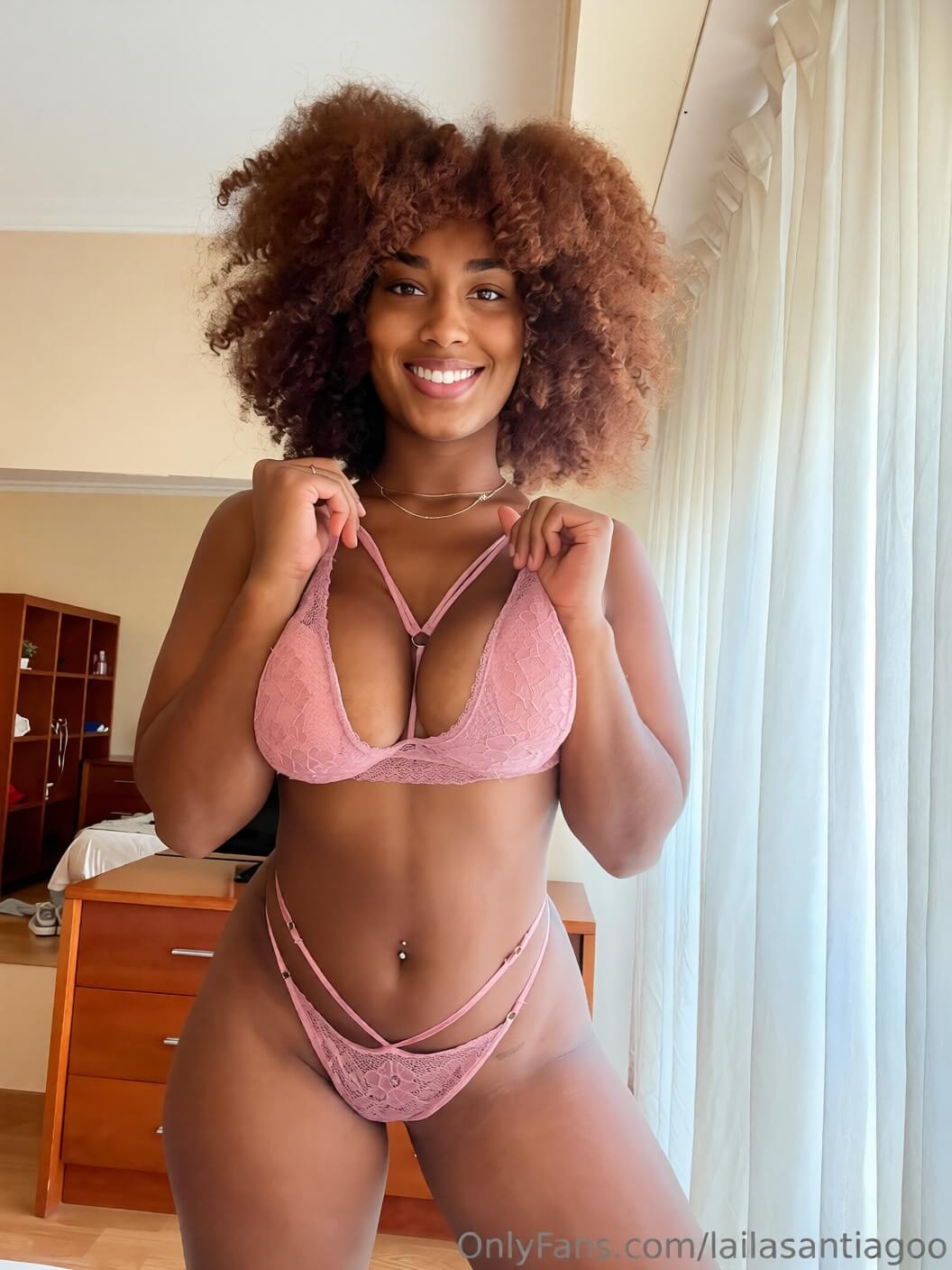
Laila 🔥 La Diosa Dominicana | Seductive Dominican goddess who mixes sweet charm with raw dominant energy. She’ll have you addicted fast...confident, bossy, and dangerously addictive. | FREE | View Profile |

|
Kira 💎 | Fresh Asian girl still new to this. Soft and cute now, but clearly waiting to get broken in. | FREE | View Profile |
How platform policies differ across major spaces used by name calling content
Different platforms have different rules and enforcement approaches. Here is a practical tour of how some of the key players treat hate speech and name calling in the context of adult content and kink oriented material.
OnlyFans and creator led spaces
OnlyFans emphasizes consent across a wide range of content including customizable clips and private shows. The platform prohibits content that includes violent or criminal acts as defined by the law and content that is abusive towards a protected class tends to be removed. In the name calling niche this means that insults or abusive language directed at protected characteristics are typically not allowed even in roleplay contexts when the target is a protected class. However consensual roleplay between adults that remains within the safety and consent boundaries and does not denigrate a protected class can sometimes be navigated with careful framing and clear limits. The key is that creators should avoid framing protected classes as objects of domination or humiliation and should instead focus on intrapersonal dynamics that do not rely on bigoted stereotypes. This keeps the content spicy without triggering policy enforcement.
Fans who want to explore edgy scenes should respect the creators rules and use in platform messaging to ask for roleplay based content with clearly stated boundaries. If a creator requests that content stays away from protected characteristics or refuses certain requests it is not a personal slight it is a safety choice designed to keep both parties protected under the policy rules. When in doubt a creator can offer an alternative scenario that preserves the heat without crossing lines.
Twitter X and short form communities
Twitter X policies have a broad approach to harassment and hateful content that is frequently updated. In many cases the system restricts or labels content that targets protected groups or uses demeaning language about them. For adult content creators this means that direct insults or slurs aimed at protected traits in public posts can be removed or limited even if the content would be allowed in some private spaces. For fans this means being mindful when engaging in public commentary and avoiding language that targets protected groups while still expressing a kink or scene concept. When creators decide to post edgy dialogues or voice clips they often frame content in a way that keeps it within allowed boundaries while offering a flavor of antagonistic banter that does not cross into hate speech.
Reddit and threaded community norms
Reddit communities often have explicit rules that go beyond general platform policies. Subreddits focused on adult content and fetishes typically prohibit hate speech and require respectful discussion even when the subject involves name calling or power dynamics. Moderators may ban posts that target protected characteristics or that promote discrimination. For fans this means reading the sub rules before posting and keeping interactions within the sub culture while avoiding language that belittles a protected trait. For creators this means tailoring content to fit the sub rules while still delivering the kink oriented experience that draws the audience to the community you serve.
Instagram and evolving safety norms
Instagram has tightened controls around hate speech and bullying. Content that targets protected groups or uses demeaning language about them is likely to be removed or hidden behind warnings. For adult content creators this platform is less friendly to explicit material but it remains a useful promotional tool. The lesson here is to adapt the messaging you use in public posts while reserving edgier dialogue for platforms with more permissive content policies or within private subscriber circles where permitted by the creator rules. Fans should respect the public guidelines and avoid publishing abusive material that could cause a ripple of policy enforcement.
Protected characteristics and examples that often trigger policy reviews
Protected characteristics are the anchors in policy language. They cover immutable traits and some aspects of identity that communities hold as essential. A few common examples include race ethnicity religion gender sexual orientation gender identity disability and nationality. Content that mocks belittles or incites hostility toward these characteristics is commonly flagged as hate speech. It is equally important to recognize that policy enforcement often targets not only overt insults but also coded language that would reasonably be understood as targeting a protected group. The aim is to prevent dehumanizing or demeaning messaging that can fuel real world harm. In the kink and fetish space this feels especially tricky because some roleplay scenarios are designed to push boundaries. The decisive factor is intent and impact. If the encoding of a scene reinforces harmful stereotypes or uses protected traits as a punch line policy moderation becomes likely.
Harassment versus hate speech what fans and creators should know
Harassment involves repeated aggressive behavior directed at a person individual or group that can be abusive or intimidating. Harassment may target a non protected trait or even a protected group in ways that policies do not automatically ban but still cause harm or violate community guidelines. Hate speech specifically targets protected characteristics and carries a higher risk of enforcement action. For creators this distinction matters when you are drafting a scene outline or a custom content menu. For fans it matters when you are crafting messages that request content or engage with creators directly. In practical terms you can push the boundary with provocative dialogue as long as you stay mindful of who is being targeted and avoid protected class references. This keeps interactions exciting while preventing policy violations.
The role of consent and boundaries in edgy name calling content
Consent is the bedrock of all kink oriented interactions including name calling content. Clear consent means everyone involved understands the nature of the scene what is allowed what is not allowed and what the boundaries are. When discussing policy friendly name calling you should focus on consent consent can be explicit written agreement within the video or chat or can be a clearly stated rule on a creators page. If a given line would imply targeting a protected group it is safer to pivot to a power dynamic that does not rely on protected characteristics. The most reliable approach is to design scenes with a content menu that specifies allowed insults allowed roleplay scripts and a list of words or phrases that are off limits. This makes it easier for fans to request content that is both thrilling and policy compliant.
Real life scenarios showing how policy intersects with kink content
These scenarios illustrate practical decisions that creators and fans face in this arena. Each example helps you understand what is allowed what could trigger a warning and how to reinterpret a scene so it remains hot without crossing lines.
Scenario one a DM about a spicy roleplay without protected group references
A fan wants a two minute clip featuring consensual power play where insults revolve around non protected attributes like clothing or setting. The fan asks for a harsh but non specific line up that avoids protected categories. The creator reviews the request and confirms the lines do not reference protected characteristics. The clip is produced and both parties report a positive experience while staying within policy boundaries.
Scenario two a request that veers toward protected class targeting
A subscriber asks for a scene that uses slurs tied to a protected class. The creator politely declines and offers an alternative script that preserves intensity without targeting identity. The fan expresses disappointment but appreciates the creators honesty. The creator follows up with a safe word talk through and optional summary of the scene for approval before recording. This approach keeps the interaction constructive and policy compliant.
Scenario three community critique where a creator notices policy concerns in a public post
A creator posts a teaser that includes sharp dialogue about a stereotype tied to a group. Fans comment with mixed responses. The creator takes the feedback seriously and edits future posts to avoid reinforcing harmful stereotypes while still keeping the edgy tone. The community experience improves because moderation and openness help align content with policy while maintaining a unique voice.
Scenario four a fan requests a policy creative workaround for a niche
A fan asks for a scene that uses a non protected insult centered on a dramatic fashion choice such as a chosen color or a prop. The creator agrees and constructs a short script that avoids protected group references. The result is a high energy moment that stays within policy while delivering the memorable vibe the fan wants.
How creators can stay compliant while delivering edgy name calling content
Staying compliant does not have to kill the mood. Here are practical tips for creators who want to push the envelope without stepping over policy lines.
- Develop a clear content menu that lists permitted insults citations that avoid protected characteristics. This makes talking points predictable and easy to manage.
- Use consent driven prompts for custom content. Ask fans to confirm they understand and accept the boundary rules before work begins.
- Keep a separate policy reference for roleplay content and for public posts. This helps maintain consistent messaging across all channels.
- Provide alternatives. If a fan requests something risky offer a safe version that re frames the insult or the scenario in a way that preserves heat.
- Educate and moderate. Regularly review policy updates and adjust your scripts or prompts accordingly. A quick team huddle can prevent accidental violations.
- Engage with feedback. If audience members point out a line that feels off take it seriously and adjust the approach. A responsive creator builds trust and loyalty.
Safety privacy and etiquette for fans and creators in edgy name calling spaces
Safety and privacy are non negotiable. Safety means protecting yourself and others from harm including doxxing doxxing is revealing private information and planning to hurt someone with that knowledge. Privacy means keeping personal information private and respecting boundaries about face reveals locations and personal details. Etiquette means communicating with courtesy avoiding threats and maintaining a professional tone even when the content is provocative. Fans must respect the creators boundaries and creators must protect themselves by using platform tools to block or mute abusive users and by clearly communicating rules to their audience.
How to report policy violations and handle disputes
If you encounter content that seems to break platform rules or crosses a line your best move is to use built in reporting tools. For fans reporting protects the community while for creators reporting helps you document concerns and preserve records. When reporting include a concise description of what happened what policy you believe was violated and any supporting context. If a dispute arises between a fan and a creator the matter may be reviewed by moderation teams or by community managers depending on the platform. Patience and precise information improve outcomes and reduce the chance of miscommunication.
Vetting and evolving guidelines what to watch for
Policy guidelines change and platforms update their enforcement approaches. It is important to keep a familiar eye on the rules and to adapt your practices as needed. When you are vetting creators or considering expanding your content line check whether they display a current policy page a clearly explained custom content menu and a transparent set of boundaries. A strong policy aware creator tends to offer a safe quick path to approval for new ideas and a reliable turnaround for approved requests. Fans should look for content that respects consent avoids protected class targeting and keeps the edgy energy intact.
Practical tips for fans exploring edgy name calling content
Fans who want to engage with edgy content should approach with clarity and respect. Here are practical steps that help you stay within policy while still getting the fantasy you crave.
- Read the creators rules. Clear rules help you understand what is permissible and what is off limits.
- Ask specific questions before paying. Whether you want a short clip or a longer scenario provide details about the setting the tone and any required safety measures.
- Use in platform channels for requests. Staying within the platform reduces risk and keeps payments and records in one place.
- Respect boundaries and be prepared for a no. If a request is declined accept it gracefully and consider other options that fit within the guidelines.
- Be mindful of private content shares. Do not pressure creators to reveal face or personal information especially if it was not agreed upon beforehand.
Ethical considerations in edgy content and platform compliance
Ethics matters because it underpins lasting and healthy communities. This means acknowledging the impact of words on real people even when the setting is fantasy. It means prioritizing consent communicating clearly avoiding dehumanizing language and supporting creators who invest in high quality production. It also means respecting the rules set by each platform while pursuing a bold and memorable presence that resonates with a millennial and Gen Z audience who crave authenticity and a bit of rebellious energy. When you blend ethics with a fearless voice you create spaces where people feel seen heard and entertained without crossing lines that cause harm or censorship creep.
In the modern ecosystem the best practice is to design content that pushes boundaries in ways that respect real world consequences. This approach builds trust with fans demonstrates professionalism and positions creators as thoughtful curators of a unique aesthetic. It also reduces the risk of account withdrawals or platform penalties which can interrupt access to favorite feeds and leave fans frustrated. A smart strategy is to embed consent oriented cues into every piece of content and to keep a living document of do and do not guidelines that the whole team can reference on demand. This results in a more resilient brand that can weather policy shifts without losing its edge.
Finally if you are scanning this as a fan or creator remember that the goal of this field is to celebrate desire with responsibility. You can enjoy provocative language and roleplay while ensuring that insults stay directed toward elements that are not protected classes and never cross into dehumanizing territory. With intention and care you can keep the scene hot and the community safe at the same time.
For a deeper dive into how edgy name calling content fits into the wider ecosystem of adult platforms and creator led communities we recommend visiting the main article linked at the top. The combination of practical guidelines real world scenarios and proactive moderation creates a solid framework for thriving in this space while staying within policy boundaries. For additional context and examples you may want to revisit the Best Name Calling OnlyFans article here. Best Name Calling OnlyFans This link occurs again to reinforce the central idea that you can be bold and compliant at the same time ensuring a safe and exciting experience for everyone involved.
FAQ
What counts as hate speech on platform policies
Hate speech targets protected characteristics such as race religion gender sexual orientation gender identity disability and nationality. It includes demeaning language dehumanization or calls for exclusion based on these traits. Insults that do not reference protected classes may be treated as harassment rather than hate speech but they can still violate platform guidelines if they escalate or become abusive.
Can I use edgy language in roleplay on OnlyFans
Edgy language can be permissible if it does not target protected characteristics and if it adheres to the creators stated rules and platform guidelines. Always clarify consent boundaries and confirm what is allowed before proceeding with a clip or private session.
How do platforms enforce hate speech policies
Policies are enforced through a mix of automated detection human moderation and user reports. Depending on the severity violations can result in warnings content removal temporary suspensions or permanent bans. Repeated offenses or targeting protected groups typically trigger stronger action.
What should I do if I witness hate speech in a community
Use the platforms reporting tools to flag content that targets protected characteristics or promotes harm. If you are a creator address concerns directly in your content guidelines and consider removing or moderating comments that cross lines to protect the community you have built.
Are there differences in how hate speech is treated across platforms
Yes policy language and enforcement vary. Some platforms emphasize rapid removal of hateful content while others offer more leeway for adult content within bounds. The common thread is a focus on protecting users and maintaining a safe environment while balancing creative expression.
How can fans and creators stay updated on policy changes
Subscribe to official policy pages follow platform blogs and participate in creator communities where moderators share updates. Regular reviews of your content guidelines and prompts help ensure ongoing compliance as rules evolve.
Explore Popular OnlyFans Categories
Anal
Asian OnlyFans
BDSM
Big Ass OnlyFans
Big Tits OnlyFans
Bimboification
Bisexual OnlyFans
Brunette OnlyFans
Cheerleading Uniforms
College OnlyFans
Cosplay
Cuckold
Deepthroat OnlyFans
Dick Rating OnlyFans
E Girl OnlyFans
Exhibitionism
Feet
Fetish Models
Foot Worship
Goth
Hairy OnlyFans
JOI OnlyFans
Latex
Lesbian OnlyFans
Lingerie
Massages
No PPV
OnlyFans Blowjob
OnlyFans Streamers
Pegging
Petite OnlyFans
Piercings
Pornstar
Skinny
Small Tits
Squirting
Swinging
Tattoos
Teacher OnlyFans
Thick
Trans
Yoga OnlyFans
Oh and if you're looking for our complete list of the best OnlyFans accounts by niche, fetish and kink...check this out: Best OnlyFans Accounts
