
 Fuck Each Other Not The Planet Unisex
 Wear My Kink
Lighting: Ring Light vs Window

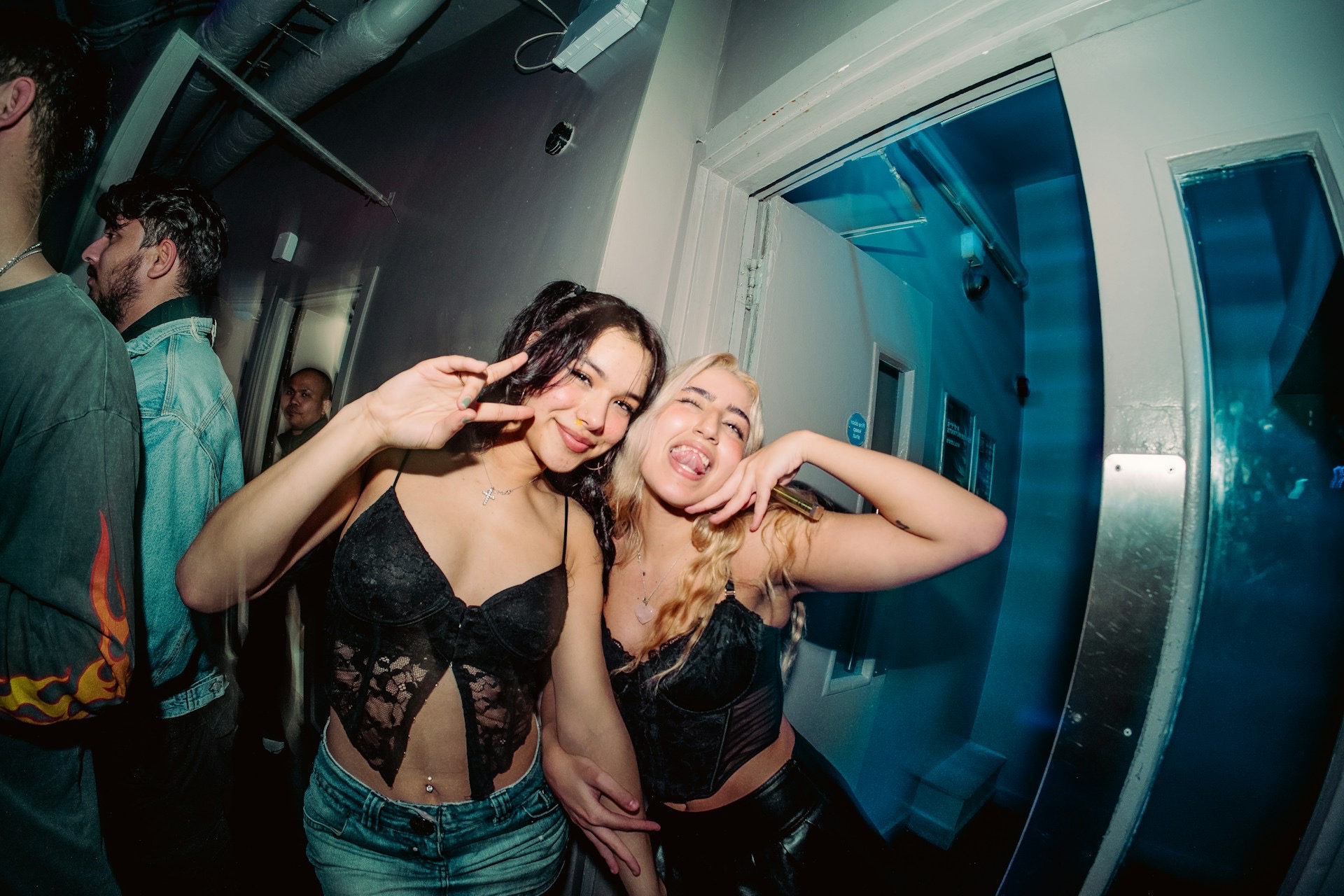
Lighting is the secret sauce behind every great selfie on OnlyFans. You can have a killer concept, but bad lighting will bury it in shadows and color cast. In this guide we break down ring lights and window light, show you how to mix both and give real world tips you can apply tonight. For more on finding the best selfies creators check our main guide here. Best Selfie OnlyFans Creators.
Understanding the core lighting principles you need for selfies
Before you pick a side in the ring light versus window light debate you should know the fundamentals. Lighting is not just brightness. It is color temperature, diffusion, direction, and softness all working together. The right lighting flatters skin texture reveals subtle details and reduces unwanted shadows. Let us break down the key terms and how they relate to your selfie game on OnlyFans.
Color temperature and white balance explained
Color temperature measures how warm or cool light looks. It is expressed in degrees Kelvin. Warm light appears yellowish amber around 2700K to 3000K. Cool light lands around 5000K to 6500K. When you shoot with mixed light sources your camera white balance must be set so colors stay natural. If the window light is warm and the ring light is cool you will get a mixed color cast that makes your skin tone look odd. In practice you want to pick a dominant light source and adjust the other sources to match. A simple starting point is to set your camera to a daylight white balance around 5200K if you plan to blend daylight with a ring light. If you are shooting purely under warm indoor lighting you can set around 3200K and adjust from there.
What does CRI mean and why does it matter for skin tone
CRI stands for color rendering index. It is a measure of how accurately a light renders colors compared to a natural light source. Higher CRI means skin tones look more natural under the light. When you compare gear pick lights with a CRI of 90 or higher. The difference is subtle in person but dramatic in photos where skin textures and makeup appear accurate rather than washed out or yellowed.
Diffusion and softness why they matter
Hard light creates sharp shadows and fine detail that sometimes looks dramatic and unflattering. Soft light wraps around features reduces harsh lines and gives a flattering glow. Ring lights usually provide a soft halo around the subject but diffusion can push softness even further. Window light tends to be soft when diffuse through sheer curtains or a cloudy sky. The trick is to control the shadows so they enhance your look instead of hiding it behind pocket sized shadows.
Brightness and control how much you need
Brightness on its own is not the full story. You want the right level of brightness and a consistent look across your frame. Too bright and you blow out highlights. Too dim and you lose detail in the shadows. An adjustable light with a dimmer and diffusion options gives you control. If you can dial brightness from a comfortable range you can tailor the exposure to your camera and your subject matter without relying on post production alone.
Best Selfie OnlyFans - Updated October 2026
| Picture | Model Name | Description | Price | View Profile |
|---|---|---|---|---|
|
Mia Kvitka🌻 | Soft Ukrainian yoga instructor with traditional values and a hidden nasty side. Perfect mix of wholesome looks and private filth. | FREE | View Profile |
|
Mistress Arina⛓️👠 | Strict blonde Domme who breaks you with zero mercy. Perfect for subs who crave absolute control, humiliation and full surrender. | FREE | View Profile |
|
Redhead Ivy Eros💋 | Gorgeous fiery redhead who obeys every command. If you want a sexy, submissive redhead who delivers pure filth on demand, Ivy is excellent. | FREE | View Profile |
|
🇻🇳 Rae (´。• ᵕ •。`) | Cute Vietnamese cutie who’s shy in public but gets playful once you subscribe. Perfect for soft teasing and slow corruption. | FREE | View Profile |
|
🇬🇧 Submissive British Sofia 🧚 | Sultry British submissive with perfect tits and an addictive posh accent. Sweet charm meets total obedience, dangerously addictive. | FREE | View Profile |
|
👅 Bunny Spits 💦 | Young, filthy, and zero limits. Bunny is the ultimate gooner submissive fantasy, messy, eager, and always ready to push boundaries. Great pick for fans of kink. | FREE | View Profile |
|
Kira 💎 | Fresh Asian girl still new to this. Soft and cute now, but clearly waiting to get broken in. | FREE | View Profile |
|
Amelia🌿 | Petite athletic Latvian girl who looks soft and innocent. Tight body and just enough tease to keep you stroking. | FREE | View Profile |
|
🥵 Shadow Kitsune | The most popular model on our site for good reason. This banned-for-filth ass goddess will do anything you want. Insanely hot, nasty, and built for worship. | FREE | View Profile |
|
😈 Ali Cruz Da Latina 💓 | If you love curvy Latinas who go all the way, Ali is a must. Her JOI, B/G content and raw sexual energy make her one of the top choices in the spicy Latina kink category. | FREE | View Profile |
The ring light setup what it is and when to use it
A ring light is a circular light that sits around the camera or sits close to the camera lens. It provides even illumination with a flattering catch light in the eyes and a balanced skin tone. Ring lights come in a range of sizes from compact six inches to grand eighteen inches. The larger the ring the more flattering the look and the more area it covers. A ring light is particularly strong for close up facial shots bold makeup looks and when you want a clean even glow. Here are practical considerations to help you use a ring light effectively.
Benefits of a ring light
- Even fill light that minimizes nose shadow and under eye shadows
- Consistent look across shots making it easy to maintain a uniform feed
- Built in options for color temperature and brightness control
- Creates a subtle circular catch light that reads well in a selfie
Limitations of a ring light
- It can flatten features if used as the sole light source
- Small ring lights can produce hot spots and visible ring rings in reflections
- Heavy use can create a clinical look unless balanced with ambient light or diffusion
Best practices for ring light usage
- Position the ring slightly above eye level and angle down to reduce under eye shadows
- Use diffusion if the light is too harsh on skin textures
- Add a second light source or use window light as a fill to create depth
- Dial in color temperature to match your makeup and wardrobe for a cohesive look
The window light method what it is and when to choose it
Window light uses natural ambient light from outside as the primary illumination source. It can be soft and flattering especially when filtered through sheer curtains or during the golden hour when the sun is low and warm. Window light provides a natural color rendition and a gentle falloff that is flattering for skin. The benefit is the softness and realism it delivers without the need for powered equipment. The challenge is control. You cannot easily adjust brightness and color temperature like you can with a ring light, so you need to plan around weather and time of day.
Advantages of window light
- Natural skin tones and texture render beautifully on camera
- Soft shadows that can be incredibly flattering for close up portraits
- No battery drain for basic setups and low cost because you already have light
- Great for creating a candid authentic vibe especially when you want a more lifestyle look
Drawbacks of window light
- Color temperature shifts with time of day and weather
- Hard to maintain consistency across shoots without relying on post production
- Performance can be unpredictable when sun moves quickly or clouds pass overhead
- Limited control over direction and intensity which can affect mood and wardrobe choices
How to optimize window light for selfies
- Place the subject near but not directly in front of the window to create soft side lighting
- Use a sheer curtain or a light diffusion cloth to soften direct sun
- Utilize daily shifts in sun location by planning shoots around morning or late afternoon light
- Balance color by adjusting white balance or wearing makeup that complements the expected light
Combining ring light and window light for a pro level look
Many creators find the best results by combining both sources. The window light acts as the natural base and the ring light fills shadows and adds a gentle catch light. The trick is balance not to overpower the natural vibe. Start with window light as the base and bring in the ring light as a fill at a lower brightness setting. If the window light is strong you can dim the ring light even more or switch to a warmer color temperature to harmonize with the window light. If the window light is weak you can raise the ring light brightness a notch and adjust the white balance to avoid a cold look.
Step by step blended lighting plan
- Find a window with even light and no strong directional sunlight
- Set up diffusion to soften the window light and remove harsh shadows
- Position the ring light off to one side and slightly above eye level
- Set the ring light to a low to moderate brightness and match color temperature to the window light
- Do a quick test shot and refine lighting angles until the skin tone looks natural
Lighting setup ideas for different spaces and budgets
Space and budget should never stop you from delivering high quality selfies. Here are practical setups tailored to common environments and price points. These are designed to be simple enough to implement tonight while still delivering professional results for your audience.
Minimalist apartment or hotel room on a budget
Use a small ring light for a balanced glow and a sheer curtain to diffuse daylight. If you lack a window you can bounce light off a white wall or a foam board to create a soft fill. A compact six inch ring light on a lightweight tripod is enough for close up faces with a flattering glow. Place the light at about forty five degrees to the side and slightly above eye level. Use a neutral white background to keep attention on the subject.
Medium space with consistent daylight
If you have a medium space with multiple windows you can set up a more complex scene. Use the window as the main light source and place a ring light on the opposite side at a lower intensity as a fill. This creates a gentle three dimensional look. Use a diffusion panel to soften both lights and keep skin tone natural. A tripod with a extendable arm helps you adjust height without blocking the scene.
Studio like setup with a dedicated lighting rig
For a studio like feel invest in a larger ring light around eighteen inches for broad soft illumination. Add a second light as a back light or hair light to separate the subject from the background. Use blackout curtains or a black backdrop to manage spill and control color reflections. A dedicated diffuser and color correction gels help you maintain color fidelity across shoots. This setup is ideal for consistent content and a premium look.
Camera settings and white balance tips to get the most from your lighting
Your lighting is only as good as your camera settings. If you shoot with a smartphone or a dedicated camera you want reliable white balance and exposure. Here are practical pointers that work across devices.
Manual white balance versus automatic white balance
Manual white balance gives you control to prevent color shifts as lighting changes. If you shoot often under the same lighting conditions manual white balance is the best option. Automatic white balance is convenient but can drift when you switch between window light and ring light. If you use automatic WB keep a mental note of color shifts and adjust in post production if necessary.
Exposure and ISO management
Keep ISO as low as possible to reduce noise while maintaining a clean signal. If your ambient light is low raise the brightness on your light rather than pushing ISO. A higher ISO with ring light can introduce grain that detracts from skin texture. Use a tripod to stabilize shots when longer exposures are required and don t rely on handheld stability for crisp results.
Shutter speed and motion blur
For selfies a faster shutter is usually sufficient to avoid blur. If you are capturing movement a slightly slower shutter can create a sense of motion but be mindful of blur. The key is to balance shutter speed with lighting so you maintain enough brightness without sacrificing sharpness.
What gear actually helps without breaking the bank
Investing in lighting should be smart and scalable. You do not need a full studio to create compelling selfies. Here is a practical gear quick list that balances cost and performance.
Lighting essentials
- Adjustable ring light in six inch or twelve inch size for portability or mid sized setup
- Small diffuser panel to soften light and reduce harsh highlights
- Tripod with a stable base and a flexible arm for odd angles
- Black or white foam boards for bounce lighting and background control
Window based enhancements
- Sheer curtain or light diffusion fabric to soften daylight
- Tinted or color correcting gels to bend warm or cool tones
- A small reflector to bounce light onto the subject from below or the opposite direction
Quick setup options for portability
- Foldable ring light with a compact stand that fits in a bag
- Phone mount that clamps to the light or to a tripod
- Lightweight diffusion sheets that fold flat for travel
Real life scenarios showing how to light for different looks
Real world scenarios help you translate theory into action. Here are four common situations with setup ideas and example dialogue to help you plan shoots with friends, content partners or your own studio space.
Scenario one: Morning glow with soft window light
A sunlit kitchen or living space offers ideal natural light in the morning. You position yourself near a large window with a light diffusion curtain. The window provides the base illumination and your ring light comes in as a gentle fill on the opposite side. You adjust white balance to a warm neutral setting so skin looks natural as the sun rises. This setup is perfect for confident clean looks with a touch of morning energy that feels authentic and fresh.
Scenario two: Evening studio vibe with ring light emphasis
In the evening you may not have reliable daylight. You switch to a ring light as the primary light and use a soft diffusion to minimize harsh lines. A subtle back light helps separate you from the background and adds a professional edge. This approach works well for dramatic makeup and high contrast wardrobe choices. The key is to keep shadows soft and avoid overexposure on facial highlights.
Scenario three: Mixed lighting for a dynamic portrait
For a dynamic look you blend a window light as base with a set of ring light as fill and a small back light. This trio creates depth and roundness in the face while keeping the wardrobe color accurate. You can shoot a series where you gradually reduce the ring light and observe how the mood shifts. This helps you create a varied set without changing location.
Scenario four: Location shoot with ambient daylight and portable gear
On location you might be dealing with inconsistent light. Use a large window if available and a portable ring light to adjust contrast quickly. A small reflector can bounce light into the shadowed side of the face to maintain balance. This approach is great for travel content that still looks polished and intentional.
Common mistakes and how to avoid them when lighting selfies
Even the best creators occasionally make rookie mistakes. Here are the most common pitfalls and simple fixes you can apply tonight to improve your selfies fast.
- Overexposing highlights by aiming a bright light directly at the face
- Underexposing the background so details disappear
- Using a single light source without any diffusion leading to hard shadows
- Ignoring white balance leading to unnatural skin tones
- Failing to test across multiple outfits and makeup looks which can shift color balance
Fixes include using diffusion to soften light, adding a second light for fill, and balancing white color temperature to match the dominant source. Always run a quick test shot after changes to confirm the result before you commit to a full shoot. Consistency matters for your audience and your brand identity.
Safety and privacy while lighting your selfies
Lighting is safe and fun but there are practical considerations. Use stable stands to prevent tip overs and make sure cables stay out of the frame to avoid tripping hazards. When you shoot with others agree on privacy rules for the content and never share behind the scenes material without consent. If you work with external locations test lighting setups in advance to prevent surprises during a shoot. Simple checks keep your environment safe and professional.
How to choose between ring light and window light when you are just starting
If you are new to this game begin with your strongest desired look. If you want a clean polished look start with a ring light as your base. If you value natural skin tones and a candid vibe window light should be your foundation. You can always add a ring light later to enhance shadows and maintain a controlled look. The best approach is to experiment with both sources in the same shoot so you can compare the results side by side and determine what your audience responds to most.
Accessibility and practicality a note for creators on the go
Portability matters when you travel for shoots or when you do at home shoots during weekends. A compact ring light fits into most bags and can be set up quickly in a hallway closet or hotel room. Window light requires you to find an available window but does not require power. The right balance of the two lets you adapt quickly to different spaces without compromising the look you want to achieve. Prioritize gear that travels easily and set up routines that reduce time between takes.
Glossary of lighting terms you should know
- Ring light A circular light that provides soft illumination and a catch light in the eyes
- Color temperature Measured in Kelvin; indicates whether the light appears warm or cool
- CRI Color Rendering Index a measure of how accurately colors appear under a light
- Diffusion A material or technique used to soften light
- Fill light A secondary light that reduces shadows on the subject
- Back light Light aimed at the back of the subject to separate them from the background
- White balance Camera setting that adjusts the color to render white as white under the current lighting
- Softbox A diffusing modifier that softens and broadens the light
- Gels Colored sheets placed in front of lights to shift color temperature or mood
Search phrases and practical prompts for lighting inspiration
When you search for lighting ideas on social platforms you can use specific prompts to find creators who post related content. Try phrases like window light portrait, ring light makeup selfie, soft lighting for skin tone, diffuse natural light, and golden hour backstage lighting. Once you discover creators who show their lighting setups you can replicate or adapt their techniques to fit your own space. Remember to test and adjust to your equipment and environment for the best results.
Frequently asked questions about lighting for selfies on OnlyFans
What is the main difference between ring light and window light for selfies
Ring light provides consistent artificial brightness with a flattering catch light and even illumination. Window light offers natural color rendition and soft shadows but is influenced by weather and time of day. Both can be used together to achieve a balanced look.
Can I shoot with only window light if I have a small space
Yes you can. Use a large window and diffuse the light with sheer fabric or a white sheet. A second small light can fill shadows if needed but you can achieve a beautiful look with window light alone in a bright space.
Is a ring light necessary for new creators
No. A ring light is a reliable tool that helps new creators achieve consistent results quickly. It is not a requirement but a useful option when you want controlled lighting regardless of ambient conditions.
How do I match ring light color temperature to window light
Check the white balance settings on your camera and adjust the ring light color temperature to closely match the window light. If the window light is warm around 3200K set the ring light near 3200K. If the window light is cooler around 5600K adjust the ring light to around that range or use a neutral setting and use diffusion to harmonize.
What about safety when using lights in small spaces
Ensure cords are secured and lights are stable on sturdy stands. Use lamps with cool touch finishes if available and avoid placing lights too close to fabrics that could overheat. Basic safety keeps you and your gear protected while you create.
How do I know which setup is best for my audience
Experiment with a window light only session a ring light only session and a blended session. Compare engagement and retention across posts and monitor feedback from your audience. You will learn what their eyes prefer and what fits your personal workflow best.
Final notes on lighting choices and how to level up your selfies
Lighting is not a one size fits all solution. It is a set of tools that you combine to suit your space your mood and your brand. Start with whichever method feels easiest to implement but do not hesitate to add a second light or diffuse more if the scene calls for it. Your ability to adapt quickly to different settings will become a core strength that your audience will notice in the consistency and quality of your selfies. For more on finding the best selfies creators and to see how top performers style their shots check our dedicated guide here. Best Selfie OnlyFans Creators.
Explore Popular OnlyFans Categories
Anal
Asian OnlyFans
BDSM
Big Ass OnlyFans
Big Tits OnlyFans
Bimboification
Bisexual OnlyFans
Brunette OnlyFans
Cheerleading Uniforms
College OnlyFans
Cosplay
Cuckold
Deepthroat OnlyFans
Dick Rating OnlyFans
E Girl OnlyFans
Exhibitionism
Feet
Fetish Models
Foot Worship
Goth
Hairy OnlyFans
JOI OnlyFans
Latex
Lesbian OnlyFans
Lingerie
Massages
No PPV
OnlyFans Blowjob
OnlyFans Streamers
Pegging
Petite OnlyFans
Piercings
Pornstar
Skinny
Small Tits
Squirting
Swinging
Tattoos
Teacher OnlyFans
Thick
Trans
Yoga OnlyFans
Oh and if you're looking for our complete list of the best OnlyFans accounts by niche, fetish and kink...check this out: Best OnlyFans Accounts
