
 Fuck Each Other Not The Planet Unisex
 Wear My Kink
Terminology: History and Controversy of Trap

Welcome to Filthy Adult. If you are here you want clarity about trap terminology and the history behind it. For a practical take on current trap content see our Best Trap OnlyFans guide to understand how creators position this niche on OnlyFans. In this article we unpack how the term developed why it can be controversial and how communities negotiate meaning around appearance identity and performance. We mix history with real world situations to explain what people mean when they say trap and how to talk about it with respect and honesty. This is a no fluff exploration written for readers who crave nuance and accountability.
Origins and early usage
The word trap first appears in online communities as a shorthand for an appearance that does not reveal a person’s underlying identity. In many cases this means a person presents in a feminine way while identifying as male or as someone who does not want to disclose their gender. The origin story is messy because different groups claim parts of the term and its meaning has shifted as culture shifts. In the earliest days a trap was a visual or performative illusion a crafted look that invites a first impression that turns out to be different upon closer contact. The effect is a surprise a reveal and in many settings a sense of surprise that is sexual or playful. This kind of sensibility shows up in cosplay in drag scenes and in adult content when performers rely on disguise as a storytelling tool. The historical arc is not about a single moment it is about a string of shifts as communities wrestle with identity representation and consent. It is worth noting that some people find the term empowering because it celebrates skill craft and performance while others see it as a weapon that erases identity or mocks gender variance. The debate persists because language reflects power who is allowed to define norms who benefits from those norms and who bears the cost of any misinterpretation. Across different cultures and languages the idea of illusion or disguise has a long thread that runs through drama theatre and fashion. The trap as a label arises at a moment when online spaces offered new ways to present a persona and to test boundaries in intimate spaces. In the early internet era the term traveled through forums chat rooms and adult sites where people discussed transformations and the aesthetics of gender presentation. The history is not simple or one sided it is a collage of experiences that include performers fans and critics. It is important to approach this topic with sensitivity and curiosity rather than smug certainty. The narrative continues to evolve as creators reflect on how their audiences perceive identity and intention. For many readers this is a practical topic because it affects how content is marketed how consent is handled and how communities safeguard people who are new to the conversation.
Best Trap OnlyFans - Updated October 2026
| Picture | Model Name | Description | Price | View Profile |
|---|---|---|---|---|
|
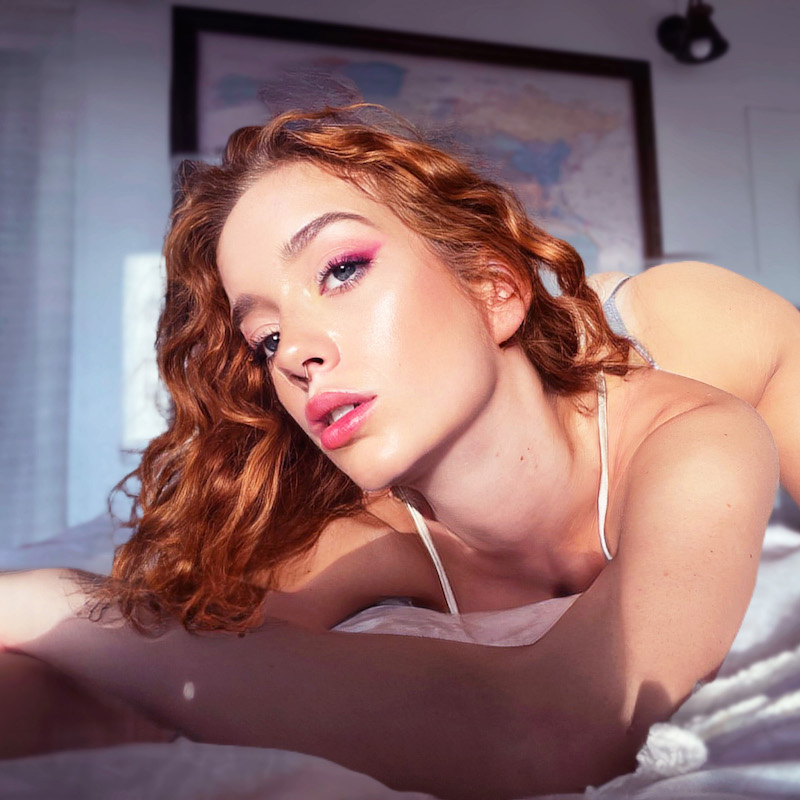
Redhead Ivy Eros💋 | Gorgeous fiery redhead who obeys every command. If you want a sexy, submissive redhead who delivers pure filth on demand, Ivy is excellent. | FREE | View Profile |
|
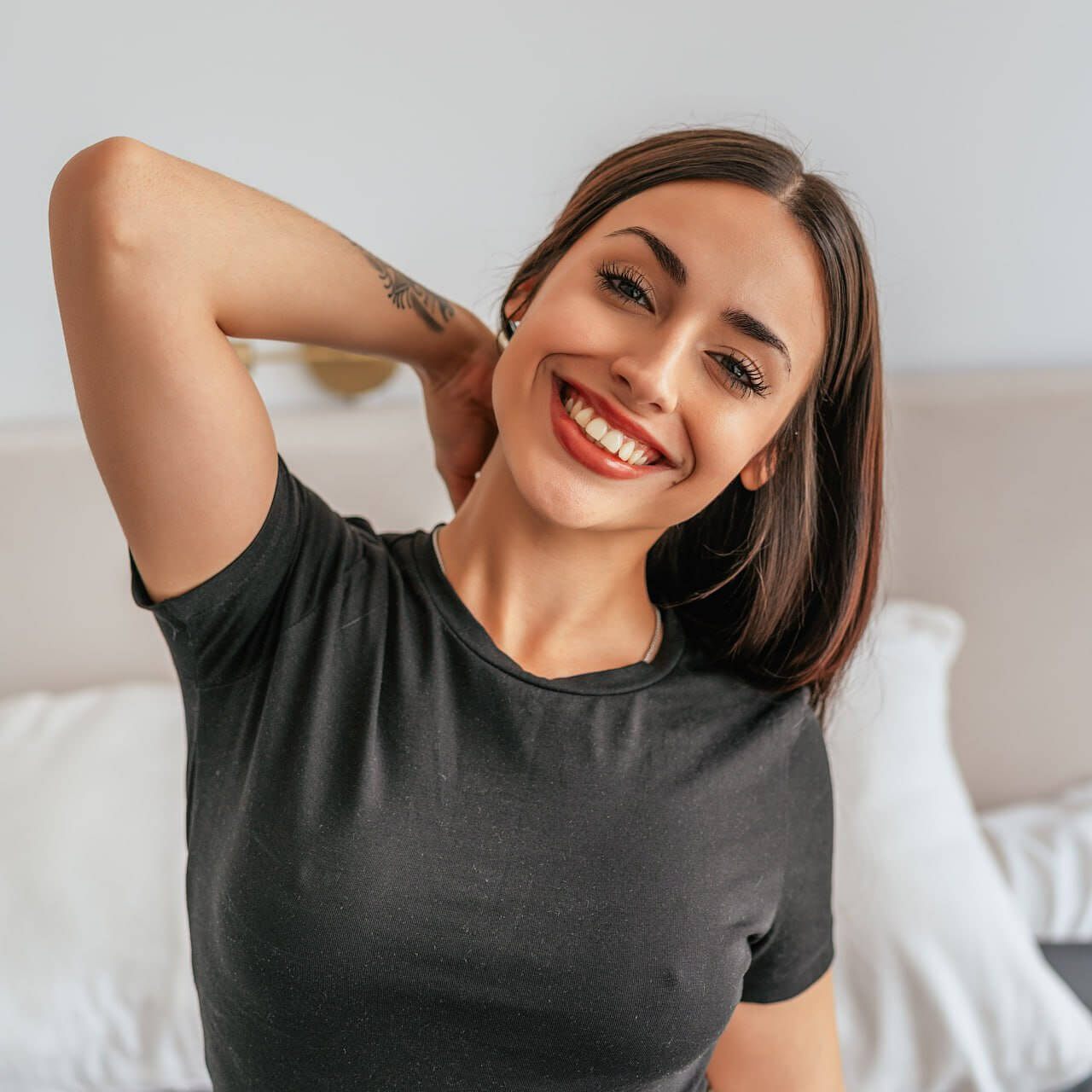
🖤 Mari Love 🖤 | I’m Mariana — Latina with a wild heart and even wilder hands (usually covered in acrylic or flour) 🙈🙈 I design custom clothes, cook like it’s a love language, and somehow always end up laughing way too loud in the middle of everything 😅💃 I’m a ride-or-die type with a loud laugh, emotional heart, and zero filter when I’m excited 😂 Oh — and yes, I do believe the right playlist can fix any mood 🌪️ My life’s a mix of art projects, spontaneous nights with friends, and dreams of having my own sunlit studio by the beach someday 🌊🌿 Super chill, always real — message me if you’re into messy magic and good energy and let’s get to know each other better! 💬✨ | FREE | View Profile |
|
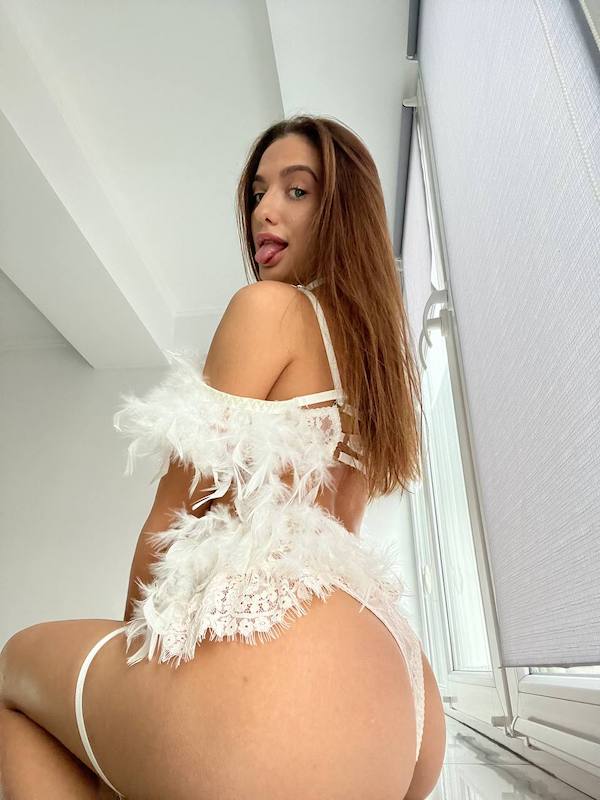
Mia Kvitka🌻 | Soft Ukrainian yoga instructor with traditional values and a hidden nasty side. Perfect mix of wholesome looks and private filth. | FREE | View Profile |
|
Valentina 🍑 BIGGEST ASS ON ONLYFANS | Latina 🍑 fire with the biggest cheeks. She takes 😈 charge and makes sure you feel it. | FREE | View Profile |
|
🤭 Miss Stefania | Tall slim 27yo who starts innocent then turns nasty. Loves customs with your name and becoming a filthy toy. | FREE | View Profile |
|
Kristine Martinsen 🇳🇴 | Cute accounting student with a secret slut side. Petite body, playful tease, and gets needy when treated right. | FREE | View Profile |
|
Eli Goth 🖤 | Edgy goth brat who loves pushing your buttons. Sweet face but filthy attitude, perfect for subs and gooners who like being teased and controlled. | FREE | View Profile |
|
Amelia🌿 | Petite athletic Latvian girl who looks soft and innocent. Tight body and just enough tease to keep you stroking. | FREE | View Profile |
|
Viktoria Kristensen 🇳🇴✨ | Adorable petite Scandinavian blonde with a naughty playful side. Sweet smile, tight body, and loves teasing...instant gooner bait. | FREE | View Profile |
|
Dominatrix Luna 🐈⬛ | Strict Mommy Domme who excels at total control and sensual humiliation. Perfect for subs craving real power exchange and surrender. | FREE | View Profile |
What the term trap means in modern kink culture
In contemporary kink culture trap refers to a set of ideas about appearance performance and expectation. The term is used in some corners as a way to describe a person who presents in feminine fashion while not disclosing their gender identity. It can also describe a broader practice where illusion and gender play are central to a scene or a content theme. Definitions vary widely depending on the creator the community and the context. Some communities emphasize the artistry of disguise the skill of makeup and costume the way lighting and camera angles can alter perception. Others caution that the term can contribute to harmful stereotypes about transgender and gender nonconforming people. In practice the use of the term ranges from light hearted exploration of style to more provocative roleplay where risk and consent are explicitly negotiated. This variability means readers should listen to creators who define their own boundaries and prefer transparent language when discussing a project. The modern approach to trap in kink is not a fixed doctrine it is a fluid conversation that invites questions about respect safety and personal meaning. When fans and creators share a language that centers consent they can enjoy complex exchanges without disrespecting the identities of others. The most successful discussions start with clear definitions and a willingness to revise beliefs in light of new information and experiences. The goal is to celebrate style and performance while protecting the dignity of people who may be impacted by the term.
Why controversy persists
The controversy around trap is fueled by disagreements about gender identity representation and the impact of a label on real people. Critics argue that the term can promote misgendering and reinforce harmful stereotypes about transgender women or nonbinary individuals. Critics also point to a history in which the label is used in a manner that feels like a joke at someone else expense or as a ploy to grab attention rather than to engage in honest artistic expression. Proponents of the term say it captures a specific aesthetic the value of illusion and the excitement of a reveal. They may frame their usage as a celebration of craftsmanship or as a way to explore complex feelings about gender and self presentation. The truth is that both sides have legitimate concerns. The challenge for readers is to separate the appreciation of form from the disrespect of identity. When a conversation includes the voices of people who live the experience the discussion becomes more precise and more humane. In many communities the conversation also turns to consent how it is negotiated and how it is respected across different people and contexts. Terms shift when new voices are heard and when marginalized groups become more visible in mainstream spaces. This dynamic means readers should approach the term with humility and a readiness to adjust language to reflect care for others. The end result should be a culture that values consent education and empathy while preserving the playful and provocative energy that many fans crave. This is not about policing but about mutual respect and clarity in every exchange.
Ethical considerations and inclusive language
Ethics in this area start with a simple question how would I want to be treated if my identity were being described in this way. Inclusive language avoids assumptions about gender and avoids reducing a person to a stereotype. It invites people to define their own identities and to set boundaries that others must honor. When discussing trap try to use person first language and specify the role that is being performed rather than making broad judgments about identity. If a performer is presenting as a certain gender on screen but does not identify with that gender in real life a respectful approach acknowledges both the artistic choice and the personal story. OnlyFans and other platforms emphasize consent and boundaries in explicit settings so creators appreciate messages that respect their limits. Fans should be mindful that misgendering even in the name of a game or a scene can cause real harm. The aim is to keep conversations open to interpretation while never erasing lived experiences or devaluing a person on the basis of gender identity. A good practice is to ask how a creator prefers to be described and which terms they are comfortable with. Language matters because it signals respect or it signals disregard. The same rules apply in chat rooms in live streams in private messages and in open public posts. Clear boundaries and explicit consent create a safer space for everyone involved. It is also helpful to avoid sensationalist framing that frames gender variance as a punch line or a gimmick. The more careful we are the more space there is for genuine expression and the less chance there is for harm or misunderstanding.
Impact on content creation and marketing
Content creators who work with themes around appearance and identity must navigate the expectations of diverse audiences. Marketing copy that leans into mystery without respectful framing can alienate potential subscribers who want consent clear guidelines and a sense of safety. Creators who explain their boundaries publish a more reliable experience they outline what they will do and what they will not do and they describe the kinds of requests they welcome. This transparency helps fans decide if a particular creator aligns with their interests and their values. A strong practice is to present a content menu that includes categories such as general performance appearance and roleplay while clearly stating boundaries. When fans understand the context and the consent boundaries they feel more confident to engage without fear of crossing lines. This creates a healthier ecosystem for everyone and it increases chances of long term engagement which is good for both sides. For platforms there is a growing expectation that creators handle sensitive topics with care and that they provide accessible explanations about content cost and delivery expectations. In short the most successful pages balance creative boldness with ethical responsibility and clear communication.
Language shifts and alternatives
People in kink communities increasingly seek alternatives that capture the essence of illusion and performance without risking harm to real people. The goal is to maintain artistic vibe while removing language that debases or stereotypes gender diverse individuals. Alternatives include terms like gender illusion performance or drag influenced presentation. Some fans prefer to simply describe the look as high glamour or cinematic reveal rather than naming gender based concepts. Others opt for specific descriptors such as makeup style eye shadow contour lighting and wardrobe choices to frame a scene. By focusing on craft and aesthetic instead of identity labels you protect performers while preserving the excitement of transformation. This approach also invites a broader audience to enjoy content without feeling excluded by a term they find offensive. It is possible to keep the energy of fantasy while upholding respect for real life identities and experiences. The shift toward more precise language is a sign of a maturing community that values both creativity and care. Readers who want to participate in this shift can start by asking creators how they prefer to be described and by adopting those terms in future conversations.
Cross cultural perspectives
Different regions bring different norms about gender presentation and about discussing gender in public spaces. In some cultures the idea of performance around gender is celebrated in theatre and film and the word trap may carry a different emotional weight. In other places the concept may be seen as disrespectful or unsafe. When engaging with an international audience or with creators who operate across borders it is wise to listen to feedback from people who live in those communities. If a creator says a term hurts them then that feedback should guide future language choices. Recognizing cultural context does not erase personal experience it simply reminds us to approach conversations with humility and to avoid blanket judgments. The global nature of online spaces makes this conversation urgent and ongoing. The goal is not to erase differences it is to create space where people can explore artistry while treating others with dignity.
Real life scenarios that show how to discuss terminology
Real world examples help. Below are several scenarios with sample messages that demonstrate how to approach the topic respectfully. Use these as a template and tailor them to your own voice and comfort level. Practice makes confident communication and that in turn makes exchanges more productive and safer for everyone involved.
Scenario one: A curious fan asks for context
Situation A reader wants context around the term trap and its history before subscribing to a creator who focuses on illusion and gender presentation. They want to understand safety boundaries and how to discuss boundaries with a creator.
Sample approach I am exploring terminology and I want to understand how you approach ideas around illusion and gender presentation. Could you share how you describe your content and what boundaries you set for discussions and requests. I want to be respectful and clear about my intentions before subscribing.
Scenario two: A creator explains boundaries clearly
Situation A creator offers content around gender presentation but they want fans to know exactly what is allowed and what is not in a respectful way.
Sample response I appreciate the clear boundaries thanks for taking the time to explain. I am curious about a move or costume that pushes limits and I want to know if it would be possible and under what conditions. Please share your price range and expected delivery time if this is something you accept.
Scenario three: A fan navigates a misgendering moment
Situation A fan accidentally uses a misgendered term during a chat and wants to correct themselves without making the moment awkward or harmful.
Sample response My apologies I misspoke I meant to say the performer rather than the person. I see how language matters and I appreciate you guiding me toward better terms. I will adjust my language in the future.
Scenario four: A long term subscriber negotiates a bundle with ethical framing
Situation A subscriber loves a creator and wants a consistent schedule and a better rate while prioritizing consent and boundaries.
Sample request I want to subscribe for three months and I would like a discount if I commit to a regular schedule. Please share what bundle options exist and how you prefer to handle custom content requests in a way that keeps both of us safe and happy.
Gear and terms explained so you do not look like a clueless mess
Understanding jargon helps you ask for what you actually want. Here is a quick glossary that is useful when you message a creator.
- Illusion An effect where makeup costume lighting and camera are used to create a look that differs from real life identity. It is a craft that relies on planning and performance.
- Gender presentation How someone expresses gender through clothing makeup voice and mannerisms. It is a performance element and may or may not align with their identity.
- Trans woman A person who was assigned male at birth but who identifies and lives as a woman. Respectful reference uses their chosen name and pronouns.
- Misgendering Referring to someone using pronouns or a gender identity that does not align with their lived identity. It can be harmful and should be avoided.
- Disclose boundaries The explicit statement of what a creator will do and what they will not do. Clear boundaries support consent and trust.
- Content menu A list of content types and prices that a creator offers in a single accessible place. A menu helps fans choose what fits their tastes and budget.
- Consent and safety Practices that ensure both parties agree to a given activity and that they can pause or stop at any moment.
- Open dialogue A communication style that invites questions and clarifications before a project begins. It reduces miscommunication and mistakes.
FAQ
What does trap mean in kink communities
In many circles trap describes a look or a performance that hides a person identity in order to reveal a different impression later. The interpretation varies by community and by performer. It may emphasize craft makeup and wardrobe or focus on narrative and roleplay.
Why is trap controversial
Controversy arises when the term is used to mock or generalize gender diverse people or when it promotes misgendering. Respectful discourse separates a performative aesthetic from real life identity and avoids implying negative stereotypes about transgender or nonbinary people.
Is the term offensive to use with performers
Some performers embrace the term while others find it disrespectful. Always ask for a creator preferred description and pronouns and follow their lead. When in doubt choose neutral language and focus on the artistry and the consent framework.
How should I talk about this with a partner or creator
Lead with curiosity and consent. Begin with permission ask how they prefer to be described and what boundaries they have. Be explicit about what you want and keep the conversation focused on the content not on the person identity.
What are alternatives to the word trap
Alternatives include gender illusion performance drag influenced presentation or simply describing the look without labeling gender. Focus on makeup wardrobe lighting and camera angles when discussing a project. This keeps the emphasis on craft while avoiding sensitive territory.
How can I support creators responsibly
Respect boundaries tip for quality work pay on platform use clear menus and leave positive feedback based on content delivered. Share promotional posts to help creators grow and invite friends to subscribe using respectful language. Healthy communities rely on mutual respect and ongoing consent.
Are there safety considerations for fans
Yes safety includes respecting boundaries verifying pricing and delivery times keeping private content secure and avoiding attempts to pressure a creator into unsafe requests. Use the built in platform tools for payments and communications and report any behavior that feels unsafe or coercive.
What about misgendering during discussions
Apologies and correction are good responses. If a mistake happens acknowledge it and adjust language going forward. Listen to how the person wants to be described and use their chosen terms in all future conversations.
Explore Popular OnlyFans Categories
Anal
Asian OnlyFans
BDSM
Big Ass OnlyFans
Big Tits OnlyFans
Bimboification
Bisexual OnlyFans
Brunette OnlyFans
Cheerleading Uniforms
College OnlyFans
Cosplay
Cuckold
Deepthroat OnlyFans
Dick Rating OnlyFans
E Girl OnlyFans
Exhibitionism
Feet
Fetish Models
Foot Worship
Goth
Hairy OnlyFans
JOI OnlyFans
Latex
Lesbian OnlyFans
Lingerie
Massages
No PPV
OnlyFans Blowjob
OnlyFans Streamers
Pegging
Petite OnlyFans
Piercings
Pornstar
Skinny
Small Tits
Squirting
Swinging
Tattoos
Teacher OnlyFans
Thick
Trans
Yoga OnlyFans
Oh and if you're looking for our complete list of the best OnlyFans accounts by niche, fetish and kink...check this out: Best OnlyFans Accounts
