
 Fuck Each Other Not The Planet Unisex
 Wear My Kink
Chokes: Tap Out Awareness

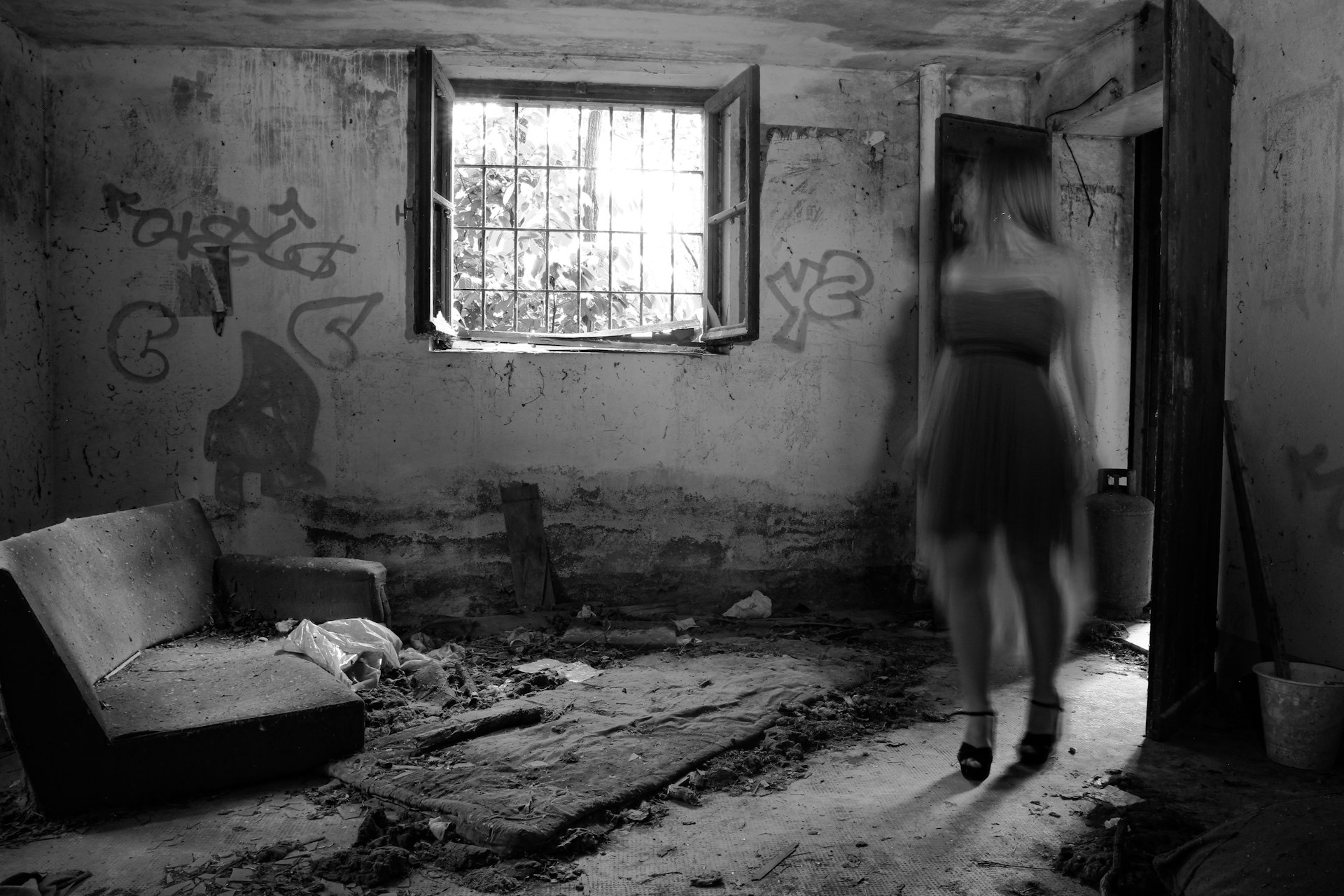
Chokes are a part of the wrestling world and yes they can be spicy on screen or in a role play session but they also carry serious risk if not handled with care. This guide dives into how to approach choke holds responsibly and how to recognize safe limits during performance and during content creation on platforms like OnlyFans. If you want a broader guide to wrestling content you should check out Best Wrestling OnlyFans for a complete overview of creators, formats and safety minded practices that keep everything playful and professional. This article stays sharp and practical with easy to implement steps and real life scenarios you can relate to as a viewer or a creator.
Understanding chokes in wrestling
Chokes in wrestling are applied pressure aimed at the neck in a controlled environment. The goal is to momentarily reduce airflow or blood flow to create a submission. In a surgical sense the technique is all about positioning and timing rather than brute force. In practice a well executed choke can look intense and cinematic and it should provoke a quick tap or a verbal surrender. The danger comes when the technique is rushed sloppy or applied with a mindset that ignores safety. The core idea is to create a rapid but safe interruption of movement not to cause harm outside the boundaries of a consensual play scenario.
Blood choke and air choke explained
A blood choke uses pressure on the carotid arteries which reduces blood flow to the brain. The effect can be quick and dramatic. It is powerful but dangerous. Even brief exposure can cause weakness dizziness or loss of consciousness if the hold is not released promptly. In a scene or shoot some performers learn to monitor the response of their partner and to stop immediately at the first sign of distress.
An air choke focuses on restricting the wind pipe or the airway. This can be quickly uncomfortable and anxiety provoking. It is essential that the person applying the hold knows when to ease up to prevent harm. Air chokes demand a higher level of communication and careful timing because the sensation of not getting air can be alarming even if no lasting injury occurs. In most adult performance contexts the emphasis is on safety control and consent not on pushing boundaries beyond the agreed limits.
In practical terms a choke in a wrestling scenario should be treated as a signal for a prompt break or a tap out. It should incorporate an agreed upon cue that allows the person being restrained to communicate that a safe limit has been reached. The moment that cue is given the hold ends. It is not a test of endurance it is a shared moment of controlled intensity that respects both partners safety and dignity.
Best Wrestling OnlyFans - Updated October 2026
| Picture | Model Name | Description | Price | View Profile |
|---|---|---|---|---|
|
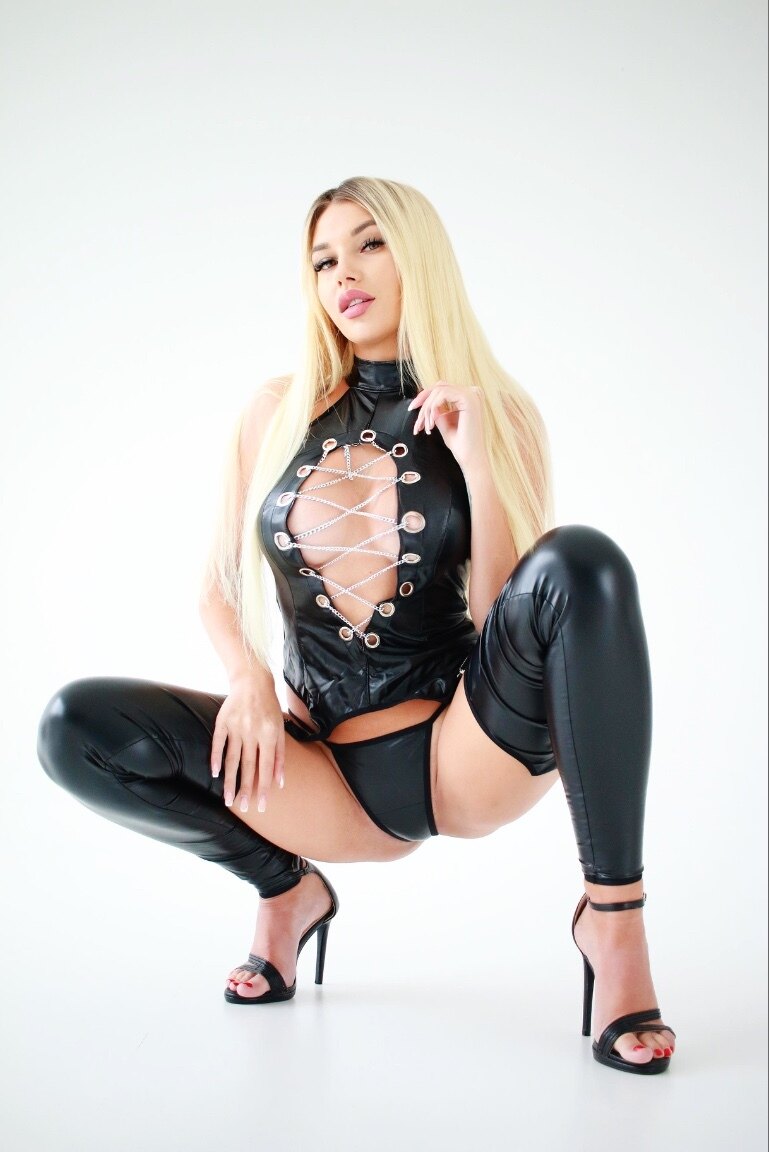
Mistress Arina⛓️👠 | Strict blonde Domme who breaks you with zero mercy. Perfect for subs who crave absolute control, humiliation and full surrender. | FREE | View Profile |
|
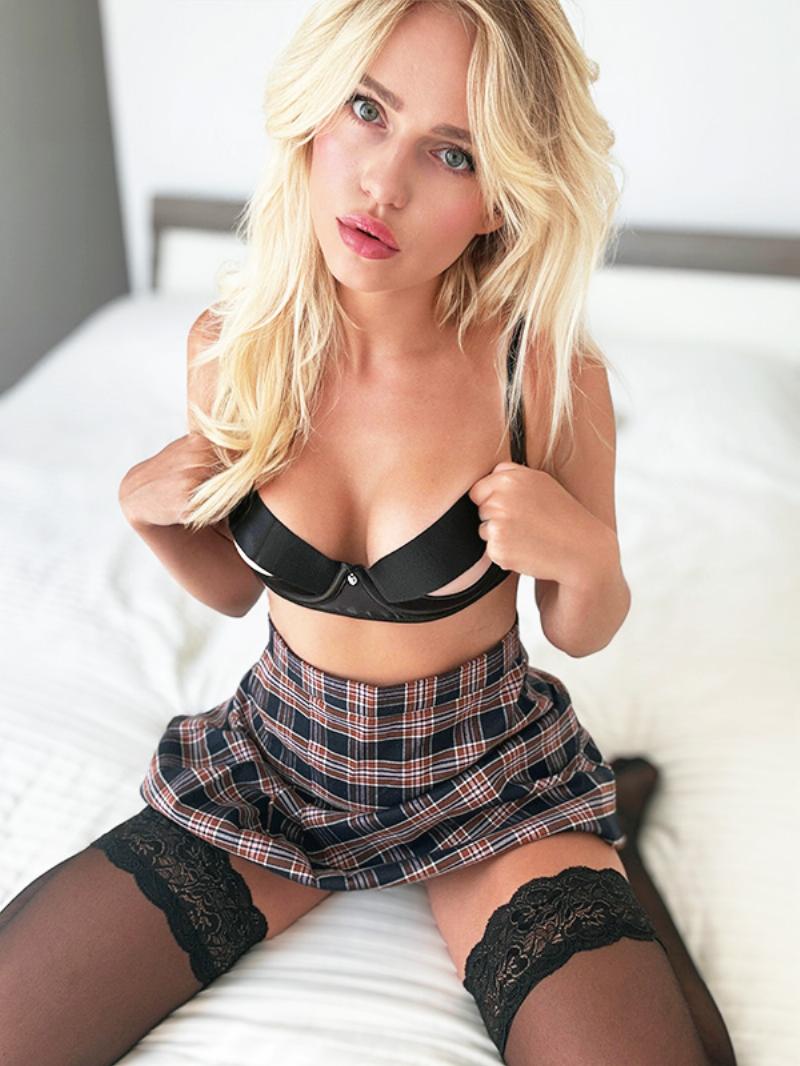
🌹 Lexy - Fifty Shades of Fantasy 🌹 | Hey, I’m Lexy, your Ukrainian muse weaving pleasure and artistry into every moment. Think Fifty Shades of Grey with a twist of elegance—soft silk, subtle control, and electric energy. 😘 Whether I’m leading with confidence or surrendering to the vibe, my world is all about sensual details and quiet power. Join me for exclusive, breathtaking content: from sultry yoga flows to modern art-inspired visuals that ignite your senses. My page is your sanctuary for beauty, desire, and connection. Ready to explore the depths of passion with me? Subscribe now and let’s create something unforgettable. 💋✨ | FREE | View Profile |

|
Amelia🌿 | Petite athletic Latvian girl who looks soft and innocent. Tight body and just enough tease to keep you stroking. | FREE | View Profile |
|
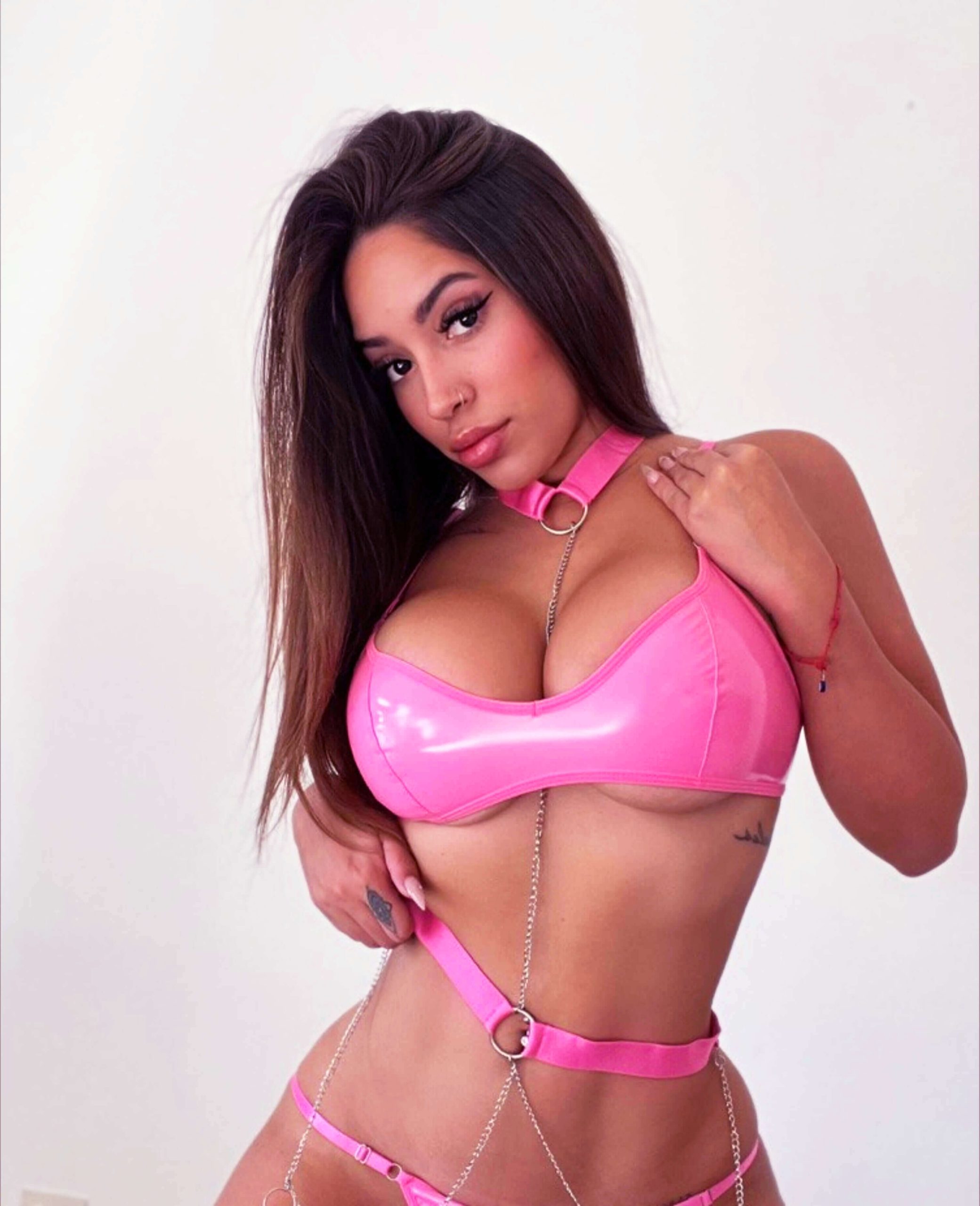
Filthy Latina MILF Paula Flores 😈 | Hot busty Latina MILF who delivers exactly what she promises. Personally one of my favorites, fiery, kinky, and always down for dirty talk and intense sessions. She knows how to dominate your screen. | FREE | View Profile |
|
Eli Goth 🖤 | Edgy goth brat who loves pushing your buttons. Sweet face but filthy attitude, perfect for subs and gooners who like being teased and controlled. | FREE | View Profile |
|
👅 Bunny Spits 💦 | Young, filthy, and zero limits. Bunny is the ultimate gooner submissive fantasy, messy, eager, and always ready to push boundaries. Great pick for fans of kink. | FREE | View Profile |
|
GermanJasmin 🇩🇪 | Confident petite German with a tight body and dirty mind. Feminine, ambitious, and surprisingly nasty in private. | FREE | View Profile |
|
🇬🇧 Submissive British Sofia 🧚 | Sultry British submissive with perfect tits and an addictive posh accent. Sweet charm meets total obedience, dangerously addictive. | FREE | View Profile |
|
Mia Kvitka🌻 | Soft Ukrainian yoga instructor with traditional values and a hidden nasty side. Perfect mix of wholesome looks and private filth. | FREE | View Profile |
|
😈 Ali Cruz Da Latina 💓 | If you love curvy Latinas who go all the way, Ali is a must. Her JOI, B/G content and raw sexual energy make her one of the top choices in the spicy Latina kink category. | FREE | View Profile |
Tap out signals and why they matter
Tap out is the most common explicit signal used to indicate that someone wants the hold released or that they want a pause in the action. Many performers use a hand tap on the mat the shoulder or the opponent as a clear indication that the current sequence should stop. Verbal submission is also common and in some scenarios partners agree to a light tap while speaking a safe word that signals a more precise boundary. The clarity of the tap out moment helps prevent miscommunication and reduces the risk of injury.
Tap outs are more than just a formality they are a safety mechanism that keeps a scene from going too far. When a hold is applied the person on the bottom or the person being restrained should be the one to determine the timing of the end of the hold. If a partner is tangled in a scenario they cannot tap effectively or they feel overwhelmed they may call for a pause through a pre arranged signal. In collaborative content this level of explicit consent helps both sides enjoy the moment without escalating risk.
Common tap signals to use in scenes
Two taps on a partner or a solid verbal submission both have clear meaning. A single light tap may indicate you want a short pause while a stronger or repeated tap signals a firm stop. Verbal submission can be a simple I am ok or I need the hold released. Some teams agree on a combined cue using both a tap and a short spoken word. The key is to practice these signals in advance and to agree on what happens if a hold slips or the audience is watching a replay. Safety first keeps the mood intense without crossing lines.
Safety protocols before a scene
The safest approach to choke based content starts long before any hold is applied. A detailed safety plan creates space for authenticity without compromising well being. Before you start a scene discuss your boundaries and confirm that you both understand the risk and the response plan. A written but simple agreement can cover what holds are permitted what signals will be used and how long a hold will last. Even in a casual shoot or a private live stream you want a clear plan and a quick exit strategy. The plan should also address what happens if someone experiences dizziness faintness or disorientation and how to re awaken or re orient the person safely.
Pre scene checklist
- Agree on a short list of approved holds and positions
- Set a maximum duration for each hold and a clear exit cue
- Decide on safe words or a universal signal for emergencies
- Choose a level of intensity that matches experience and comfort levels
- Ensure the area is free from hazards and that there is a trained spotter if needed
Clear communication is essential and it should happen before any role play begins. This is not about teaching someone to perform dangerous techniques it is about creating a safe space where intense moments can occur with control. If you are unsure about a move you can always skip it and move to something that feels safer. The goal is to enjoy the moment while keeping both people protected.
Environment and equipment for safe choking content
The setting matters in both real life and on screen. A good lighting setup a clean space and the right surfaces prevent slips and injuries. If you are filming or streaming consider using a soft mat or padded floor area to cushion movement. Avoid furniture that can easily cause head or neck injuries. Having a first aid kit and a phone within reach is a practical addition. If a partner feels unsteady near a sharp edge a quick adjustment can save a lot of trouble later.
Equipment matters for safety too. When working with chokes in a performance context it helps to have soft supportive roles pressing in from the sides to reduce the risk in the unlikely event a hold becomes misaligned. Some crews use practice dolls or a controlled partner for technical drills before attempting a real time scene. Even for a private fan focused shoot you should take this learning approach to heart and apply it to your content planning. Safety should never be an afterthought it should be built into the concept from the start.
How to handle emergencies during a scene
Even with the best precautions an emergency can still happen. A calm controlled response reduces the chances of lasting harm. If a person shows any signs of distress such as dizziness confusion or trouble breathing the hold must be released immediately and the person should be assisted to recover. After a hold ends it is important to monitor the person for a short period and provide reassurance and aftercare. Aftercare can include talking through the moment offering a drink a hug or simply sitting together in quiet support. The goal is to restore comfort and wrap the scene in a positive way that reinforces trust and mutual respect.
Choke content in the context of OnlyFans and similar platforms
Platform policies vary but many adult content sites encourage safe and consensual play while discouraging dangerous or non consensual activities. If you are creating or consuming choke focused material on OnlyFans or a similar platform keep the focus on consent safety and clear communication. You can build a winning experience by designing scenes around careful planning safe signals and responsive post performance check ins. Transparent descriptions in the post captions and clear boundaries in the message threads with the audience help reduce confusion and elevate trust. Real fans appreciate partners who lead with care and who remain engaged about safety without losing the thrill of the moment.
Real life scenarios that show safe play and responsible requests
Scenario one a new flame wants a controlled choke scene
Situation You are a performer exploring choke based play with a partner who has limited experience in this area. You want to test the waters in a safe supportive way.
Sample approach I am excited to try a short safe hold. We will begin with a very light hold on the neck from behind for three seconds then release. Do you want to do a quick breath check and a tap out signal before we start
Scenario two a content creator wants to feature a variety of signals
Situation You want to offer fans a multi signal experience with clear communication. The aim is to keep the intensity high while making safety visible.
Sample approach We will use a verbal cue plus a visible tap for safety. If I say fade you will see a leg reposition and the hold ends. If you need us to stop immediately use the safe word now.
Scenario three a couple wants a high intensity scene with a trusted plan
Situation The couple has worked out a precise sequence. They know how long each hold will last and how the partner will signal trouble.
Sample approach We will start with a light hold exploring the sensation and we will check breathing every few seconds. We will only move into more complex holds if natural breathing remains comfortable and we both stay in sync. If either person signals a stop we revert to a safe rest position and discuss next steps.
Scenario four a solo performer practicing safety with a partner trainer
Situation A new performer wants feedback from a trainer who understands anatomy safety and performance alignment.
Sample approach The trainer demonstrates proper neck alignment and safe pressure points for the holds we practice. After each drill the students perform a breath check and a short debrief covering what went well and what to improve. This practice reduces risk when fan oriented sessions are later filmed or streamed.
Aftercare and post scene check in
Aftercare is a crucial part of any intense encounter especially when choking elements are involved. Check in with your partner ask how they feel and offer time to decompress together. A short chat allows you to adjust future scenes perhaps altering the hold duration the angle or the intensity. Some people benefit from hydration a snack or simply a moment of quiet togetherness after a strenuous exchange. When you plan a series consider scheduling aftercare into the workflow so it becomes a natural part of the process rather than an afterthought. This is the moment to reinforce trust and celebrate the teamwork that made the scene possible.
Vetting wrestlers and creators for safe choke content
When you explore content on platforms like OnlyFans it is wise to vet creators for safety practices and transparent boundaries. Look for creators who discuss safety in their pinned posts and menus. Read the Q and A sections and see if they offer specific information about choke based content. A good sign is when a creator invites questions about safety and responds with practical guidelines. Check their reviews and look for reports from other fans who emphasize a safe positive experience. Red flags include vague promises no safety plans and a focus on pushing limits without consent or caution. Always confirm the content menu includes safety oriented options such as light holds clear tap outs and agreed duration limits.
Consistent professionalism in the way a creator communicates about safety is a strong indicator of a responsible partner. If a creator avoids the topic of safety checks or avoids answering straightforward questions about consent you should consider working with someone else who values care and clarity. The goal is to find partners who treat choke content as a collaboration that respects both sides and the audience watching the content.
Glossary of terms you will find useful
- Choke hold A technique that compresses the neck to limit air flow or blood flow during a scene
- Blood choke A hold that affects blood flow through the neck arteries
- Air choke A hold that compresses the airway to restrict breathing
- Tap out A signal to end a hold typically a tap or verbal surrender
- Safe word A pre agreed word that instantly ends a scene or signals a pause
- Safe role play A session designed to maximize safety and consent while preserving dramatic intensity
- Aftercare Steps taken after a scene to support wellbeing and emotional closure
Search phrases and discovery tips for choke based content
When you are looking for choke focused content on social platforms and early on you will want to use precise terms. Start with general terms then refine with more specific details. For example try phrases like neck restraint practice safe hold tutorial, choke hold exploration, or audience friendly limited hold scene. Once you identify potential creators check their link trees or bios for OnlyFans profiles or DM them to confirm availability and safety practices. A good creator will happily share safety information and will not pressure you into unsafe territory.
Common mistakes fans make and how to avoid them
Here are typical errors and concrete fixes to keep every scene safer and more enjoyable
- Assuming every hold should be pushed to the limit Instead start with light controlled experimentation and gradually build comfort while staying within agreed boundaries
- Ignoring safety signals or safety words Always honor the signals and pause the action if a signal is given
- Neglecting to plan aftercare Without aftercare the scene may leave lingering tension instead plan time to check in and unwind together
- Overlooking breathing safety Always monitor breathing and ensure response time to any change in rhythm or color
- Not documenting consent and boundaries Write down the agreed activities and revisit them before future scenes to confirm alignment
How to support creators ethically and sustainably
Your support matters and it should be aligned with safety and mutual respect. Subscribing to a creator for ongoing access and tipping for standout performances makes a big difference. If you want to see more content in this area share positive feedback publicly while respecting privacy and consent. Commenting supportively on public posts and engaging with the creator in a respectful manner helps them grow and invest in better gear and safer content workflows. Ethical support means valuing the person behind the content as a creator and as a professional who cares about safety and audience satisfaction.
Legal considerations and platform rules
Platform guidelines require creators to follow safety oriented practices and to avoid content that could be illegal or unsafe. If a creator asks you to engage in activities beyond the agreed boundaries or requests unsafe actions do not participate and report if necessary. Staying within the rules protects both you and the performer and helps maintain a safe and enjoyable community for fans and creators alike.
FAQ
What is the difference between a blood choke and an air choke
A blood choke affects the blood flow to the brain by constricting the neck area while an air choke restricts breathing without necessarily impeding blood flow. Both require strict safety controls and clear communication to avoid harm
How do I recognize when a scene is becoming unsafe
Signs include dizziness confusion abnormal breathing difficulty or loss of color in the face. If you notice these signs end the hold immediately and check in with your partner about next steps
Are choke based scenes on OnlyFans safe for viewers
Yes when creators follow safety protocols and clearly communicate limits and safe words. Viewers should respect boundaries and understand that these scenes are performances designed around consent and safety
What should I do if a hold is uncomfortable but not dangerous
Communicate your discomfort and request adjustments such as reducing pressure changing angle or using a shorter hold duration. The goal is to maintain intensity without pushing beyond your comfort zone
How can I request a safe choke based clip
Ask for a clip that uses a light hold with clear safety signals and a short duration. Include your preferred signals and the exact boundaries you want in plain language
Is it weird to ask for certain safety measures in a clip
Not at all. Being precise about safety expectations helps creators deliver exactly what you want while protecting everyone involved
How do I verify a creator follows safety guidelines
Look for pinned posts that mention safety rules ask questions in DM about their safety practices and review feedback from other fans who emphasize safety and consent
Explore Popular OnlyFans Categories
Anal
Asian OnlyFans
BDSM
Big Ass OnlyFans
Big Tits OnlyFans
Bimboification
Bisexual OnlyFans
Brunette OnlyFans
Cheerleading Uniforms
College OnlyFans
Cosplay
Cuckold
Deepthroat OnlyFans
Dick Rating OnlyFans
E Girl OnlyFans
Exhibitionism
Feet
Fetish Models
Foot Worship
Goth
Hairy OnlyFans
JOI OnlyFans
Latex
Lesbian OnlyFans
Lingerie
Massages
No PPV
OnlyFans Blowjob
OnlyFans Streamers
Pegging
Petite OnlyFans
Piercings
Pornstar
Skinny
Small Tits
Squirting
Swinging
Tattoos
Teacher OnlyFans
Thick
Trans
Yoga OnlyFans
Oh and if you're looking for our complete list of the best OnlyFans accounts by niche, fetish and kink...check this out: Best OnlyFans Accounts
