
 Fuck Each Other Not The Planet Unisex
 Wear My Kink
Padding: Creating Hips


Padding creates curves and hips for drag performances. It is a practical art form used by many to sculpt stage ready silhouettes. If you want to fool the eye into a luscious hourglass on stage or in photos hip padding is your best friend. For the best drag queen content check our main guide here Best Drag Queen OnlyFans guide. This article dives into everything you need to know about padding to create hips that pop under lights, camera, and miles of sequin fabric. We will cover what padding is, the different types you can use, how to choose padding to suit your look, how to wear it confidently, and how to care for it so your silhouette stays flawless between gigs. Expect practical advice, relatable scenarios, and straightforward steps you can apply tonight in rehearsal or before a performance.
What is padding and why drag queens use it
Padding refers to adding volume to the hip area to enhance curves and create a pronounced silhouette. In drag culture the aim is to sculpt a dramatic hourglass that reads from the back row under stage lighting. Padding is not about changing your actual body it is about shaping what the audience perceives. Think of padding as the cosmetic sculpting clay that helps costumes look their best. There are many ways to achieve this look from simple fabric inserts to high end silicone components. The important thing is to understand how padding interacts with your costume your skin and your movement repertoire. You want comfort you want security and you want a silhouette that reads as glamorous and exaggerated when it needs to on camera or live on stage. This guide breaks down the options and gives you practical ways to implement padding that feels right for you.
For those new to the world of padding here is a quick vocabulary to keep handy. Hip pads are the actual pads that sit over the hips to create volume. Silicones pads are flexible soft implants that mimic the shape of real hips. Foam pads are light and affordable simple to adjust. Fabric inserts are lightweight options that are sewn into underwear or shapewear. Shapewear is snug undergarment gear designed to smooth and shape the torso and hips often with built in padding or pockets for pads. These terms are common in drag communities and the world of performance styling so you will hear them often. If you are unsure just ask for a test fit and a quick demonstration before buying. Real life scenarios make the process clear and fun rather than mysterious.
Best Drag Queen OnlyFans - Updated October 2026
| Picture | Model Name | Description | Price | View Profile |
|---|---|---|---|---|
|
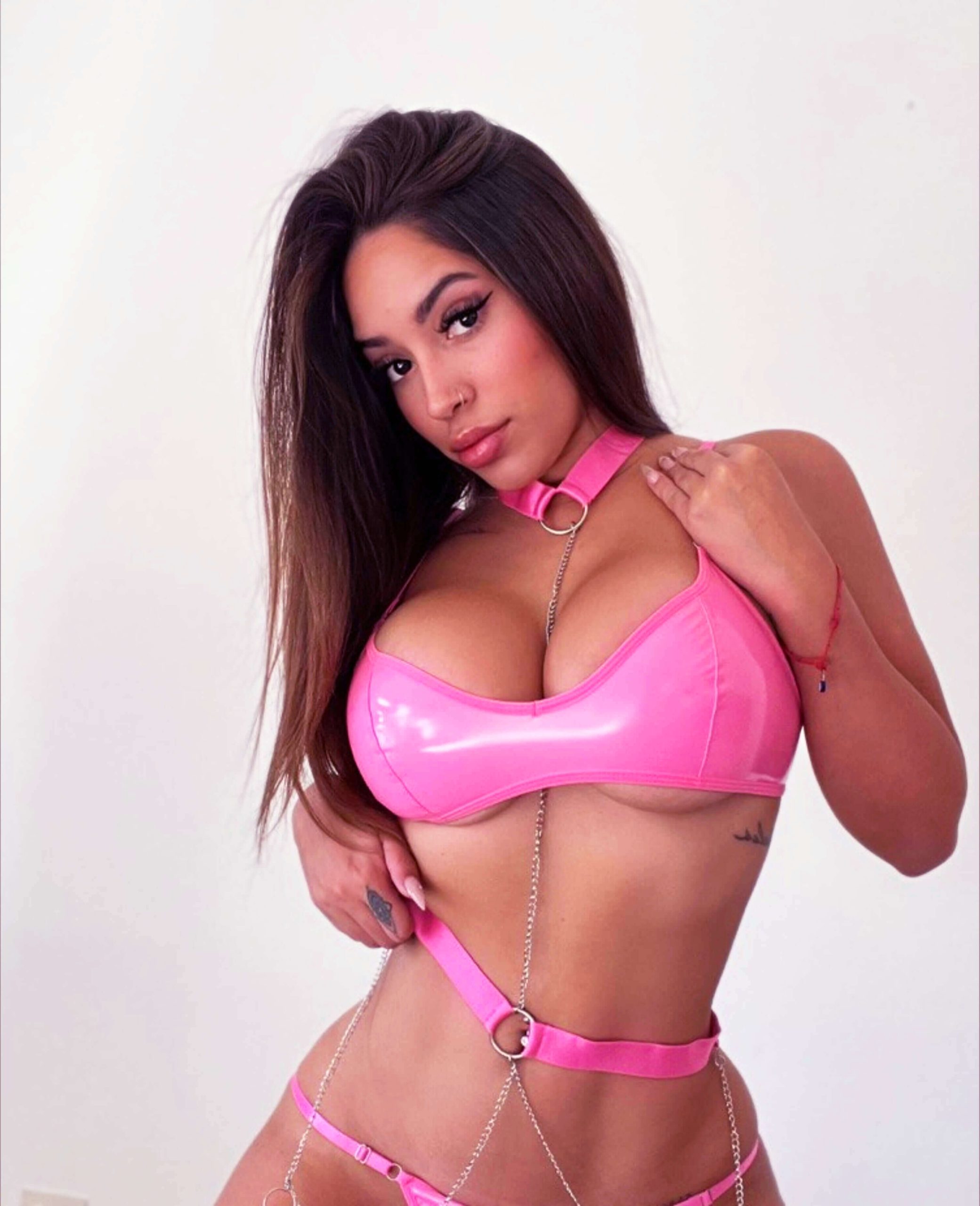
Filthy Latina MILF Paula Flores 😈 | Hot busty Latina MILF who delivers exactly what she promises. Personally one of my favorites, fiery, kinky, and always down for dirty talk and intense sessions. She knows how to dominate your screen. | FREE | View Profile |

|
Redhead Ivy Eros💋 | Gorgeous fiery redhead who obeys every command. If you want a sexy, submissive redhead who delivers pure filth on demand, Ivy is excellent. | FREE | View Profile |

|
🌹 Lexy - Fifty Shades of Fantasy 🌹 | Hey, I’m Lexy, your Ukrainian muse weaving pleasure and artistry into every moment. Think Fifty Shades of Grey with a twist of elegance—soft silk, subtle control, and electric energy. 😘 Whether I’m leading with confidence or surrendering to the vibe, my world is all about sensual details and quiet power. Join me for exclusive, breathtaking content: from sultry yoga flows to modern art-inspired visuals that ignite your senses. My page is your sanctuary for beauty, desire, and connection. Ready to explore the depths of passion with me? Subscribe now and let’s create something unforgettable. 💋✨ | FREE | View Profile |

|
👅 Bunny Spits 💦 | Young, filthy, and zero limits. Bunny is the ultimate gooner submissive fantasy, messy, eager, and always ready to push boundaries. Great pick for fans of kink. | FREE | View Profile |
|
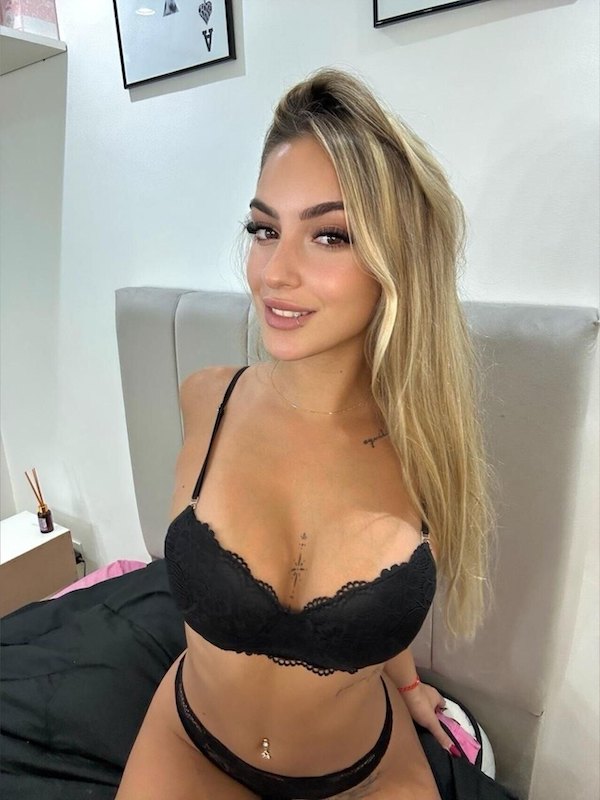
Kristine Martinsen 🇳🇴 | Cute accounting student with a secret slut side. Petite body, playful tease, and gets needy when treated right. | FREE | View Profile |

|
GermanJasmin 🇩🇪 | Confident petite German with a tight body and dirty mind. Feminine, ambitious, and surprisingly nasty in private. | FREE | View Profile |

|
🤭 Miss Stefania | Tall slim 27yo who starts innocent then turns nasty. Loves customs with your name and becoming a filthy toy. | FREE | View Profile |

|
Mia Kvitka🌻 | Soft Ukrainian yoga instructor with traditional values and a hidden nasty side. Perfect mix of wholesome looks and private filth. | FREE | View Profile |
|
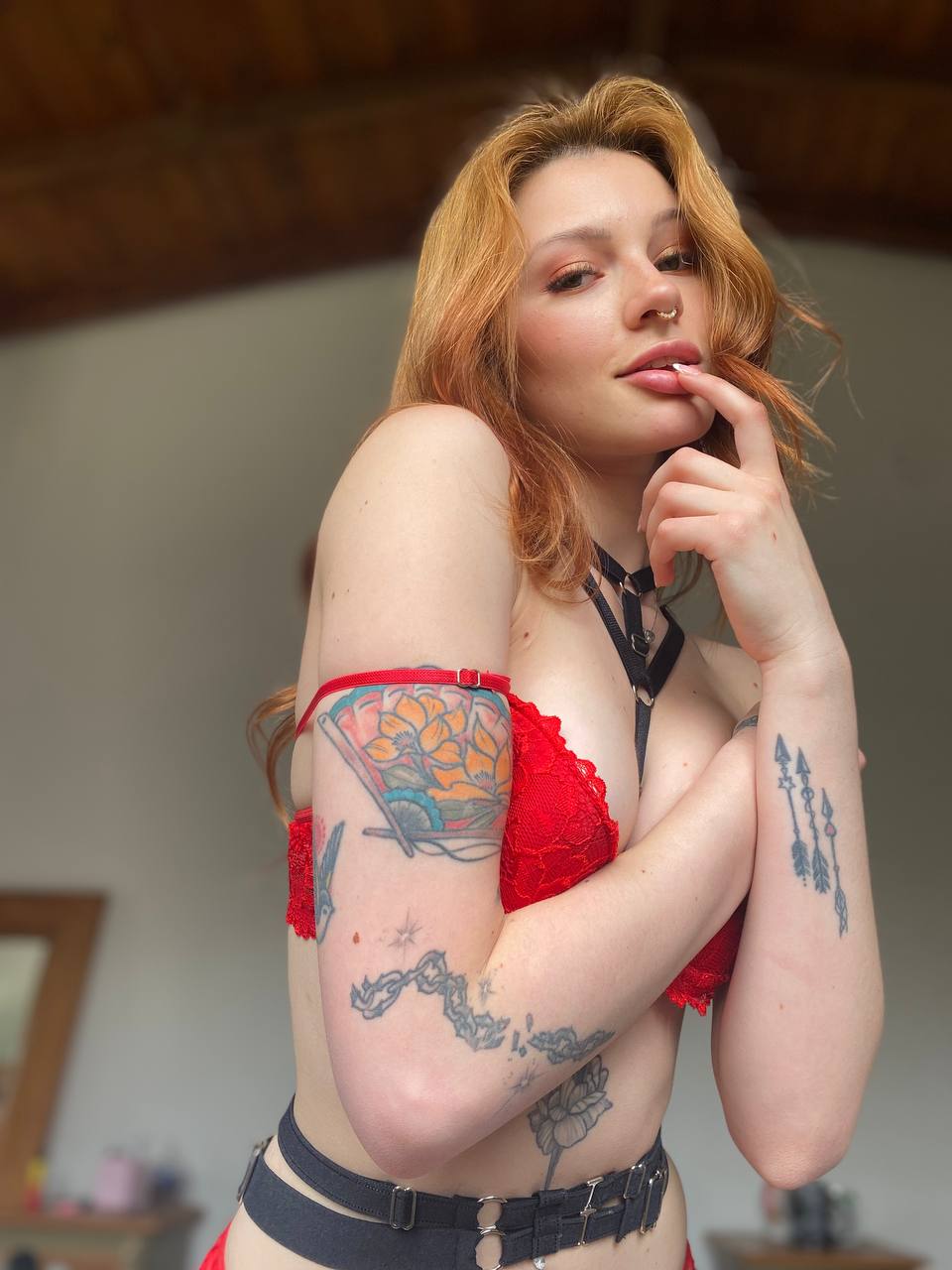
ミ💗Mariposa💗彡 | Precision by day, complete whore by night. She designs buildings then bends over and turns every fantasy into a dripping mess. | FREE | View Profile |

|
🇬🇧 Submissive British Sofia 🧚 | Sultry British submissive with perfect tits and an addictive posh accent. Sweet charm meets total obedience, dangerously addictive. | FREE | View Profile |
Types of hip padding
Classic foam hip pads
Foam pads are the workhorse of the padding world. They are inexpensive durable and easy to customize. Foam pads come in various thicknesses and shapes to fit over the hip area. A typical setup uses a curved foam pad that sits on the hip bone and extends toward the pelvis and outer thigh to create a rounded hip line. The edge should be invisible under most fabrics so the seam does not show. Foam pads can be trimmed with scissors to adjust the contour and the padding can be layered with additional pieces for more dramatic dimensions. Foam is breathable and comfortable for long wear which is important for long shows or intense rehearsals.
Silicone hip pads
Silicone pads are the premium option for a natural feel and long lasting shape. They mimic the weight and drape of real tissue giving a more lifelike projection. Silicone pads hold their form even under bright stage lights and are less prone to shifting compared to lighter materials. They can be custom molded to fit your hip curve which often yields a more seamless transition from your waist to your thigh. The main caveat is warmth and occasional care needs especially if you perform in hot venues or long takes. A silicone pad can be more expensive but many performers feel the payoff is worth it for the look on camera and live on stage.
Fabric and foam blends
Some padding uses a combination of foam and fabric to balance cost and comfort. A fabric cover can smooth over edges and help the pad blend with the skin tone and costume. These blends can be more breathable than solid silicone while still offering a strong silhouette. Look for pads with a soft outer layer and a secure interior pocket so the pad does not shift when you move. This option is a great middle ground for beginners and intermediate performers who want reliable results without a heavy investment.
Built into shapewear options
Shapewear with built in padding is a super convenient approach for many drag queens. These pieces offer compression control and a stable base so the pads stay in place during fast spins and high energy choreography. Built in padding simplifies the wardrobe process because you do not have to manage multiple pieces. It can be easier to clean and quarantine between shows especially when you are traveling. The main trade off is the limit on customization and sometimes the padding is not in the exact shape you want. If you like a clean setup this is a robust option to explore.
Choosing padding for different looks
Extra round hips for glam looks
For big screen worthy silhouettes you want padding that creates a pronounced outer curve. Choose pads with a wide base and a fuller projection to the sides. This look pairs beautifully with a cinched waist and a dramatic back arch during performance. For practical use ensure your pads are secured enough that they won t shift during a heavy walk or a choreographed turn. The right padding amplifies your presence and gives your fabric a perfect outline under sequins and satin.
Subtle curves for believable character looks
Not every song calls for a rocket booster hip effect. Sometimes a modest enhancement is what the moment calls for. A lighter foam pad or shapewear with slightly curved hip support can give you a natural transition from waist to thigh. The goal here is to enhance your form without looking cartoonish. Subtle padding works well for performances that lean into storytelling and character based scenes where realism in movement and look matters.
High stage drama for drag ensemble looks
In stage heavy performances you may be working with multiple performers and complex lighting. In these situations padding helps you read as a cohesive silhouette on camera and from across a crowded stage. Heavier padding can work well when you have a strong lower body line and a smaller torso or when you want the audience to read a certain angle during a number. In ensemble looks the padding should harmonize with the overall color and texture of the costume so the silhouette remains readable no matter where the audience is seated.
How to wear padding
Step by step wearing method
First start with clean skin and a smooth base such as a light layer of body powder or a moisture barrier if you have sensitive skin. Place the pad on the hip area ensuring the curved edge lines up with your natural hip bone. If using a fabric insert tuck the pad into the correct pocket of undergarments or shapewear. Smooth the outer fabric over the pad so no edges show under your tights pants or the bottom edge of your costume. If you see a line at the edge adjust the position slightly until the seam disappears under your fabric. The pad should feel secure but not restrict your movement. If you can perform a few quick moves and turns to test the fit do a short rehearsal walk to confirm nothing shifts.
Securing pads with underwear or harness
Many dancers and drag performers rely on underwear equipped with pad pockets or an external harness for added security. A pad pocket helps hold the pad in place and a harness can keep pads aligned during complex choreo. When selecting undergarments choose breathable fabrics and one that offers a snug fit. A secure anchor is essential especially for high energy performances. If you live in a hot climate consider ventilation options such as removable panels or lighter padding for comfort during long shows.
Dressing with costumes and footwear
When your pads are in place test the full look with your costume on. Check the line from the waist to the outer thigh and ensure the pad does not push through seams or create bulk in places where there should be smooth lines. For shoes and stage footwear confirm there is enough space for movement and that the pads do not interfere with leg extension. A lot of padding success comes from rehearsing in the actual outfit so you can refine positions and make any minor adjustments before showtime.
Care and maintenance
Cleaning pads
Cleaning needs vary by material. Foam pads can often be wiped down with a mild soap solution and air dried away from heat. Silicone pads generally clean with mild soap and water and dry quickly. Fabric covered pads should follow the cleaning instructions on the label which may require gentle hand washing or machine washing in a delicate cycle. Always air dry pads completely before storage to prevent mold and odors. If you notice any wear cracks or a loss of shape replace the pad to maintain your silhouette integrity.
Drying and storage
Store pads in a cool dry place away from direct sunlight. Use a breathable bag or container that allows air circulation so the material does not degrade. For silicone pads avoid bending them in ways that may cause creases or permanent deformities. For foam pads avoid compressed storage as it can weaken the structure over time. Treat padding as a wardrobe investment and give it care the same way you treat your favorite pair of heels.
Safety health and comfort tips
Skin health and irritation
If you have sensitive skin test padding on a small area first and gradually wear longer sessions. Use a protective barrier or soft silicone sleeve if you experience friction chafing or heat buildup. Keep pads dry and use breathable materials to reduce the risk of heat rash. If you notice persistent irritation discontinue use and consult a dermatologist or medical professional. Comfort is a priority not a luxury when you are performing for hours.
Temperature and humidity
Performing in venues with high heat can make padding feel heavy and uncomfortable. Choose lighter padding on hot nights and ensure your costume allows airflow. Hydration and breathable fabrics help you stay comfortable on stage. If your padding begins to shift due to sweat consider using a light adhesive or double sided tape only if the product guidelines permit it and it will not damage the fabric of your costume.
Integrating padding with costumes
Dress types and padding coordination
When you design a look think about how padding will interact with the dress or robe you plan to wear. For long gowns and mermaid silhouettes padding can emphasize the hip line dramatically while maintaining a clean transition into the flare of the skirt. For tight corseted looks padding should be balanced with a sturdy base such as a properly fitted corset to provide structure. The coordination between padding and costume is a partnership not a solo act. It is about how the lines read under lights and how the fabric drapes around the silhouette you have built.
Color matching and seams
Ensure the padding matches your skin tone or the shade of your undergarments to avoid visible color mismatches. A good rule is to choose padding that blends into your base layer so edges disappear as you move. If you are wearing sequins or reflective fabrics test under stage lighting as reflections can reveal slight edges. Seam placement matters especially with sheer fabrics so plan the padding layout to minimize seams showing through the costume.
Budgeting and shopping tips
Budget friendly options for beginners
If you are just starting out and unsure about a long term commitment begin with affordable foam pads and simple shapewear. You can achieve a solid look without a big upfront investment. Look for versatile options that can be worn with a variety of outfits and that you can reuse across multiple performances. Don t forget to check return policies and sizing guides to avoid wasting funds on the wrong fit.
Where to buy reputable padding
Shop from reputable drag fashion stores and performance wear brands that provide clear product details and sizing information. Online communities and drag forums are great places to learn from performers who share their padding picks and sizing tips. When possible try pads in a fitting room or order from brands with easy exchanges so you can adjust your choice without frustration. Quality padding that fits you well is the backbone of a powerful stage presence.
Real life scenarios that show what to look for
Real world stories help you translate theory into practice. Here are a few relatable situations and how padding choices made the difference for performers just like you.
Scenario one: a debut come through with a dramatic silhouette
Situation You are preparing for your first major drag performance and you want a bold hip line that reads from across the room. You choose foam pads for ease of use and a lightweight shapewear base to hold everything in place. You test the look with a rehearsal in a well lit space and adjust the pad position to ensure the seam remains invisible as you pivot.
Sample adjustment The pad is moved slightly toward the hip bone and a thin fabric cover is added to reduce edge visibility. The result is a clean line that flows into the gown creating a confident stage presence.
Scenario two: traveling performance and compact gear
Situation You are touring with a small team and space is limited. You select a compact silicone pad and a travel friendly shapewear option. The silicone pad holds its shape and can be packed flat with a soft pouch to protect it. You rehearse a few moves in a hotel room to ensure the look remains intact despite tight packing and a new room environment.
Sample approach You use a lightweight pad with a skin tone cover and tuck it into the shapewear pocket. The costume slides over smoothly and you are ready for travel back to the venue with minimal fuss.
Scenario three: high energy choreo with a need for reliability
Situation You are delivering a performance with fast spins and big transitions. Your padding must stay secure when you pivot and rotate. You choose a foam pad with a snug undergarment that anchors the pad firmly. You test a few high energy moves and adjust the fixings so nothing shifts during a split or a jump.
Sample outcome The look remains consistent throughout the intense routine and you feel the padding supporting the hip curve rather than competing with your movement.
Gear and terms explained so you do not look like a clueless mess
- Hip pads Inserts or separate pieces designed to create a pronounced hip silhouette.
- Foam padding Lightweight budget friendly pads that can be cut and shaped for a tailored fit.
- Silicone padding More realistic weight and shape with a premium feel and longer lasting form.
- Shapewear Tight undergarments that smooth lines and can include integrated padding or pockets for pads.
- Pads with pockets Undergarments or briefs that have built in pockets for easy pad insertion and removal.
- Seam management Techniques used to hide the edges of padding under fabric for a clean look.
Search phrases and tags that actually work
Finding padding solutions for drag requires using the right search language. Use phrases like hip pads for drag create curves, silicone hip padding for stage, foam hip pads for beginners, and shapewear with built in hip padding. Look for both product pages and creator stores that specialize in drag wardrobe components. Social media groups and forums are filled with recommendations and real world testing results that save you time and money.
- Hip pads for drag
- Silicone hip padding
- Foam hip pads for stage
- Shapewear with hip padding
- Padded hip inserts for performance
- Drag costume padding ideas
When you find promising pads on social media consider asking for a quick sample or a brief video demonstration so you can see how they look in motion before buying. This is especially helpful when you are new to padding and want to avoid a learning curve with your first big look.
Common mistakes fans make and how to avoid them
Even seasoned performers slip up sometimes here are frequent errors and practical fixes to keep you on the right track.
- Not testing fit in a full costume Fix by trying the padding before a gig with the complete look including shoes and makeup to ensure the line reads correctly under all angles.
- Choosing a pad that is too bulky Fix by starting with a lighter option and gradually adding more as you gain confidence. You can always upgrade later.
- Ignoring the edges of padding under sheer fabrics Fix by using seam concealment techniques or layering with a matching undergarment so edges do not show.
- Padding that shifts during movement Fix by using a secure undergarment harness or pocket system and ensuring a snug fit around the hips.
- Forgetting to consider temperature Fix by selecting breathable padding in hot venues and testing performance in similar conditions before a show.
How to support creators ethically and sustainably
As you explore padding options remember that many drag creators rely on sales of costumes and stage gear as part of their livelihood. Supporting creators ethically means subscribing to their stores when possible purchasing through official channels and avoiding shady discount farms that undermine their work. Share reviews and recommendations with friends and fellow fans and consider tips for special requests that require additional effort. Ethical support helps ensure that artistry and innovation in drag remain vibrant and accessible for everyone who loves big stage energy and even bigger smiles.
Legal considerations and platform rules you should know
When ordering padding and related wardrobe items always use official retailers and trusted platforms. Do not use illicit services or unsafe third party arrangements. Respect copyright and branding guidelines and follow any manufacturer care instructions. If you are unsure about a product or a technique seek guidance from the brand or from experienced performers who have tested the product in live shows. This careful approach protects you and the creators who bring your favorite looks to life on stage and in photos.
FAQ
What is hip padding and why is it used in drag
Hip padding are pads placed over the hips to enhance curve and shape. In drag they help create a dramatic silhouette that reads well on stage and in photos. Padding is a practical tool that works with wardrobe and choreography to deliver a visually striking result.
What are the best padding options for beginners
Foam pads are a great starting point due to their affordability and ease of use. Look for pads with a curved shape and a soft outer cover to minimize edges showing through fabrics. Pair them with a comfortable shapewear base for stability and easy wearing.
How do I know what pad size to buy
Start with a measurement of your hip width and your preferred projection. If you want a strong dramatic look choose a larger pad or a multi layer approach. For a more natural look choose a smaller pad and adjust with your shapewear. If possible try pads in a fitting room or order from brands with easy returns until you find your best match.
Can padding shift during performances
Yes it can if the securing method is weak. Use pads with pockets or a reliable harness and ensure the base garment fits snugly. Test movements in rehearsal and adjust as needed. A secure setup reduces shifting and provides confidence while you perform.
How do I clean silicone pads safely
Rinse silicone pads with warm water and a gentle soap. Avoid harsh cleaners that could degrade the material. Allow to air dry completely before storing in a breathable bag. For prolonged care follow the manufacturer instructions for best results.
What is the difference between foam and silicone hip pads
Foam pads are lighter and cheaper making them ideal for beginners. Silicone pads mimic real tissue which gives a heavier realistic feel and longer lasting shape. Silicone tends to be more durable for frequent performances but requires careful care to maintain shape.
Should I wear padding with shapewear or standalone
Both options work. Shapewear provides balance and security while padding can be added to emphasize the hip curve. If you need maximal control on stage choose shapewear with built in padding or secure pockets for pads so nothing shifts during intense choreography.
Is padding appropriate for all body types
Padding is a toolkit to enhance stage presence and can work for many body types. Start with a look that makes you feel powerful and comfortable. The goal is a silhouette that reads clearly under lighting while staying comfortable during movement.
Where can I buy reliable hip padding for drag
Look for established fashion dance supply stores as well as dedicated drag costume shops. Reading reviews and asking performers for recommendations can save time and money. Always check return policies and ensure the product matches the claimed measurements and materials.
Explore Popular OnlyFans Categories
Anal
Asian OnlyFans
BDSM
Big Ass OnlyFans
Big Tits OnlyFans
Bimboification
Bisexual OnlyFans
Brunette OnlyFans
Cheerleading Uniforms
College OnlyFans
Cosplay
Cuckold
Deepthroat OnlyFans
Dick Rating OnlyFans
E Girl OnlyFans
Exhibitionism
Feet
Fetish Models
Foot Worship
Goth
Hairy OnlyFans
JOI OnlyFans
Latex
Lesbian OnlyFans
Lingerie
Massages
No PPV
OnlyFans Blowjob
OnlyFans Streamers
Pegging
Petite OnlyFans
Piercings
Pornstar
Skinny
Small Tits
Squirting
Swinging
Tattoos
Teacher OnlyFans
Thick
Trans
Yoga OnlyFans
Oh and if you're looking for our complete list of the best OnlyFans accounts by niche, fetish and kink...check this out: Best OnlyFans Accounts
