
 Fuck Each Other Not The Planet Unisex
 Wear My Kink
Copyright: Sharing Deleted Content Ethics

Copyright issues around sharing deleted content on OnlyFans can feel like a minefield and yet they are essential to respect creators rights. If you are here to learn how to navigate lost media ethically you are in the right place. For the main guide on best lost media see Best Lost Media OnlyFans guide.
Why copyright matters in the context of deleted content
Lost media in the adult content space often involves material that creators produce for specific subscribers or for a limited time. When that content vanishes from public view or is removed at the creator or platform request, questions arise about who owns the rights to that material and who is allowed to share it subsequently. Copyright is the legal framework that governs who can reproduce, distribute, display and perform a work. In the world of online content this usually includes the video itself the accompanying audio and any metadata such as captions and watermarks. Understanding these rights helps fans avoid acting in ways that could harm creators or expose themselves to legal risk. It also clarifies what is permissible when content is deleted or becomes available through a third party or a leak. This section lays out the basics in plain language so you can apply good judgment in real situations instead of guessing and hoping for the best.
Key concepts everyone should know
- Copyright is the exclusive legal right to reproduce distribute perform or display a work. In many cases the creator or the platform holds these rights unless a transfer or license is granted to someone else.
- Ownership refers to who holds the rights to the content. Even if you accessed content publicly you may not have permission to redistribute it.
- Licensing means the creator or rights holder grants permission for specific uses such as sharing within a community or selling access in a bundle. Licenses can be broad or narrow and they can be time limited or location specific.
- Fair use is a nuanced allowance in some jurisdictions that permits limited use of copyrighted material without permission. This is complex and depends on purpose nature amount and effect on the market. It is not a universal permission and it does not apply in all cases.
- Consent means the living person or entity who created the content agrees to particular uses such as redistribution public posting or licensing. When consent is missing or unclear sharing becomes risky.
As a reader you likely care about both enjoying content and staying on the right side of the law. This guide is designed to help you navigate these issues with practical steps and real life scenarios rather than abstract theory. You will learn how to evaluate requests for deleted material and how to interact with creators in a way that protects everyone involved. This approach benefits the community and supports creators who rely on fair compensation for their work. And yes this discussion is part of how we approach content discovery in the lost media space while staying mindful of rights and responsibilities. For reference and more depth you can explore our main guide on best lost media see Best Lost Media OnlyFans guide.
Best Lost Media OnlyFans - Updated October 2026
| Picture | Model Name | Description | Price | View Profile |
|---|---|---|---|---|

|
Filthy Latina MILF Paula Flores 😈 | Hot busty Latina MILF who delivers exactly what she promises. Personally one of my favorites, fiery, kinky, and always down for dirty talk and intense sessions. She knows how to dominate your screen. | FREE | View Profile |

|
Redhead Ivy Eros💋 | Gorgeous fiery redhead who obeys every command. If you want a sexy, submissive redhead who delivers pure filth on demand, Ivy is excellent. | FREE | View Profile |

|
🌹 Lexy - Fifty Shades of Fantasy 🌹 | Hey, I’m Lexy, your Ukrainian muse weaving pleasure and artistry into every moment. Think Fifty Shades of Grey with a twist of elegance—soft silk, subtle control, and electric energy. 😘 Whether I’m leading with confidence or surrendering to the vibe, my world is all about sensual details and quiet power. Join me for exclusive, breathtaking content: from sultry yoga flows to modern art-inspired visuals that ignite your senses. My page is your sanctuary for beauty, desire, and connection. Ready to explore the depths of passion with me? Subscribe now and let’s create something unforgettable. 💋✨ | FREE | View Profile |
|
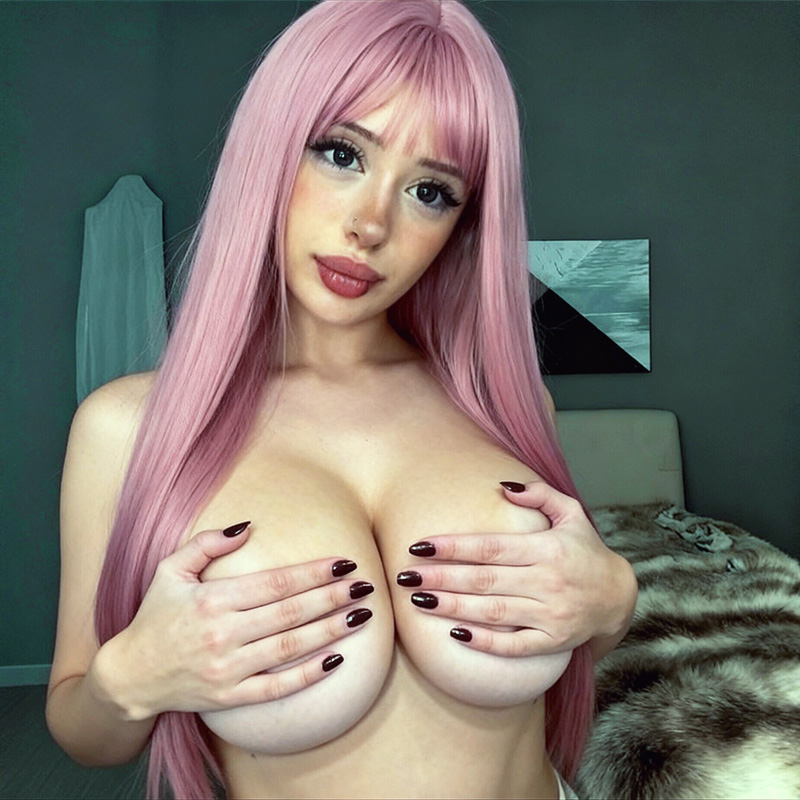
👅 Bunny Spits 💦 | Young, filthy, and zero limits. Bunny is the ultimate gooner submissive fantasy, messy, eager, and always ready to push boundaries. Great pick for fans of kink. | FREE | View Profile |
|
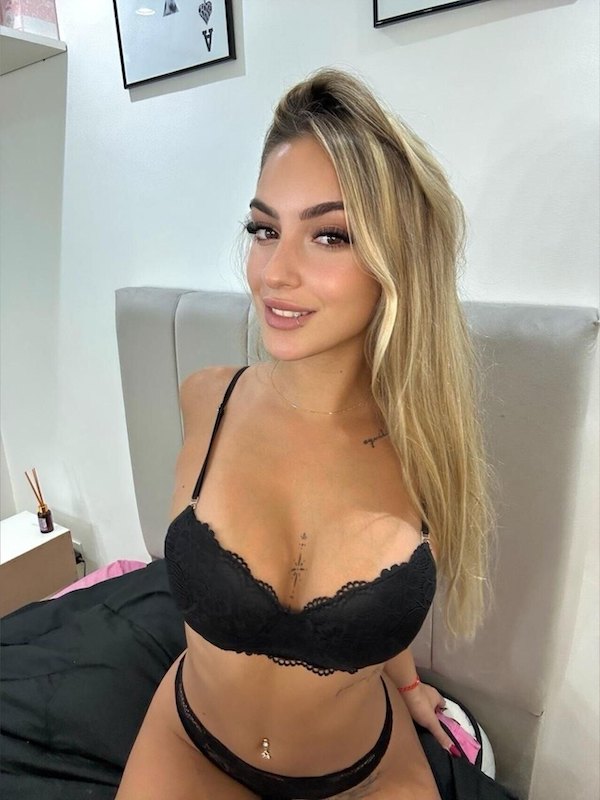
Kristine Martinsen 🇳🇴 | Cute accounting student with a secret slut side. Petite body, playful tease, and gets needy when treated right. | FREE | View Profile |
|
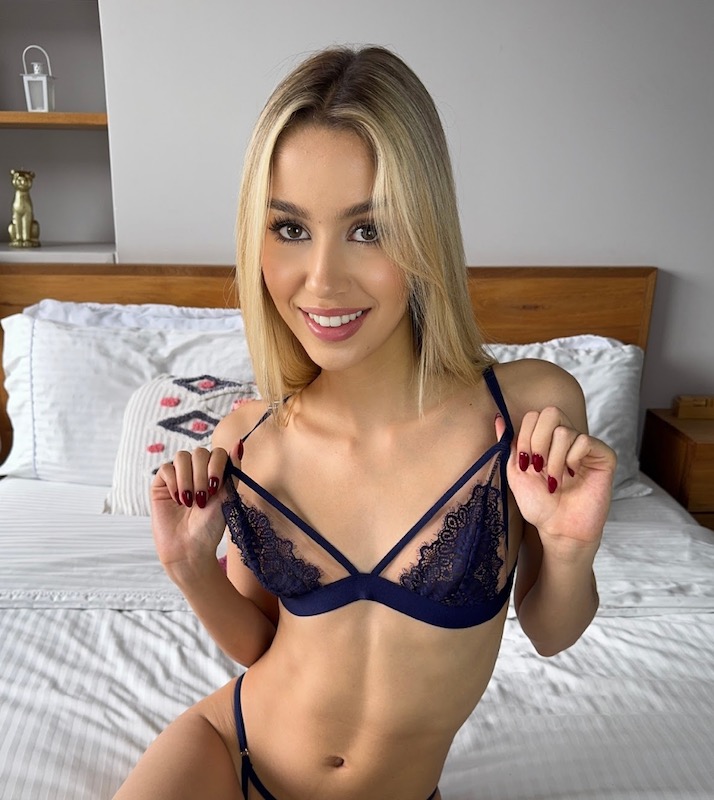
GermanJasmin 🇩🇪 | Confident petite German with a tight body and dirty mind. Feminine, ambitious, and surprisingly nasty in private. | FREE | View Profile |

|
🤭 Miss Stefania | Tall slim 27yo who starts innocent then turns nasty. Loves customs with your name and becoming a filthy toy. | FREE | View Profile |
|
Mia Kvitka🌻 | Soft Ukrainian yoga instructor with traditional values and a hidden nasty side. Perfect mix of wholesome looks and private filth. | FREE | View Profile |
|
ミ💗Mariposa💗彡 | Precision by day, complete whore by night. She designs buildings then bends over and turns every fantasy into a dripping mess. | FREE | View Profile |
|
🇬🇧 Submissive British Sofia 🧚 | Sultry British submissive with perfect tits and an addictive posh accent. Sweet charm meets total obedience, dangerously addictive. | FREE | View Profile |
Understanding the lifecycle of deleted content
Deleted content can reappear in different forms and contexts. A clip that disappears from a creator’s public feed might surface in a private archive a member’s channel or a third party site. Each occurrence changes the rights landscape. A key distinction is whether the content was intended as a private exchange between a creator and a subscriber or whether it was distributed to a wider audience. When content moves from private to public or vice versa the permissions that govern its use can shift. It is essential to assess the origin of the content whether the distribution channel is authorized and whether any license or permission was granted for that distribution. Content owners may decide to revoke access at any time and that revocation should be respected even if the material has already circulated. The moment you encounter deleted content the safer choice is to treat it as if you do not have permission to share it beyond the original context unless you have explicit authorization to do so.
Ethical guidelines for sharing deleted content
Ethics in this area centers on respect for creators rights the protection of privacy and the avoidance of exploitation. The following guidelines can help you make ethical decisions even when you encounter tempting lost media. Keep in mind that these rules are meant to prevent harm and preserve a healthy ecosystem where creators feel safe to produce content and audiences feel confident in how content is shared.
Respect ownership and intent
The creator owns the work or has licensed it to a platform with specific use terms. If you do not have explicit permission to share the content beyond the original context you should refrain from distributing it. Even if the material has appeared on a public platform that does not automatically grant the right to redistribute or repost. Respect the intent behind withholding or removing the content. It is often tied to contractual terms safety concerns or personal boundaries.
Avoid reposting or distributing without consent
Sharing deleted content without clear permission can violate rights and harm the creator financially or reputationally. It is also a risk to your own standing within communities that police intellectual property and to your ability to engage with creators in the future. If you are unsure seek permission or choose to refrain from sharing.
Privacy and safety considerations
Even if the content is no longer available publicly it may contain sensitive information such as real names locations or personal identifiers. Sharing even public content without care can increase the risk of doxxing harassment or doxxing related to sensitive information. Protecting privacy is part of ethical engagement and helps maintain a safer community for everyone involved.
Fair use is not a universal shield
While fair use exists in some jurisdictions as a potential defense for limited uses such as commentary or critique it is highly specific and context dependent. Relying on fair use as a blanket permission to share deleted content is dangerous. When in doubt do not rely on fair use as a license to publish or distribute.
Transparency about licensing and rights
If you do obtain permission or license to share content make that explicit. State who granted the license what the scope is and what the limits are. Clear licenses reduce disputes and build trust within the community. If you are a creator sharing content that is licensed to others ensure licenses are clearly documented and accessible to subscribers or viewers.
Practical steps for fans who encounter deleted content
Being proactive about how you handle lost media protects you and supports creators. The following steps are practical and easy to implement in everyday scenarios. They cover both the discovery phase and the sharing phase so you can act with integrity throughout your journey.
1. Verify the source and provenance
Before considering any share verify where the material came from and whether it was originally intended for a broad audience or a select group. If you cannot trace a clear origin or licensing path treat the material as potentially restricted. When possible check the creator’s public statements pinned posts or official policy pages for guidance on deleted content.
2. Check for explicit permission or licensing terms
Look for clear language from the rights holder about permitted uses of deleted content. This can appear in a licensing page a contract or a direct message from the creator granting permission for specific distribution methods or platforms. If permission is unclear do not share the material.
3. Do not undermine creator revenue streams
Many creators rely on subscriptions tips and pay per view purchases as their business model. Re distributing content without compensation can undermine their income and may violate platform rules. If you want to support a creator consider subscribing to their tiered offerings or purchasing the rights to view or share content when appropriate.
4. Consider privacy first
Even if a clip seems innocuous it could reveal sensitive information. Avoid posting content that discloses real names locations or other identifying details. When in doubt prioritize privacy over curiosity.
5. Use official channels for requests
If you would like to obtain or share deleted material reach out to the creator through official channels. Be specific about what you want why you want it and how you plan to use it. Respect any refusals or limits that are stated and do not attempt to circumvent them.
Guidelines for creators who handle lost media requests
Creators have a pivotal role in shaping how deleted content should be handled within their communities. The following guidelines help creators set clear expectations and minimize risk while maintaining fairness and generosity to fans when appropriate.
1. Establish a clear policy on deleted content
Publish a policy outlining what kinds of lost content may be shared what licensing exists if any and how fans can request access. The policy should cover private messages public discussions and any restrictions related to face reveals location or explicit acts. A transparent policy reduces confusion and disputes.
2. Make licensing terms accessible
Provide easy to understand licensing information for any content especially content that reappears after deletion. Clarify what is permitted who may view it and for how long. If licensing is contingent on membership tiers or payment ensure that is clearly stated.
3. Protect privacy and safety
When content involves sensitive information or vulnerable participants include safeguards for privacy. Use watermarking timestamping or other non intrusive methods to deter unauthorized sharing while enabling legitimate use under license.
4. Respond promptly to requests
Fans appreciate timely and respectful responses. Set expectations for how quickly you reply and what factors influence delivery times for any licensed material or custom access. This builds trust and reduces friction in the community.
5. Enforce boundaries consistently
Apply your policy uniformly. If a request violates privacy or licensing terms respond with a clear explanation of the policy and offer alternatives within permitted boundaries. Consistent enforcement protects you as a creator and reassures fans about the integrity of the space.
Navigating the legal landscape
The legal environment around sharing deleted content varies by country and by platform. In many places the core rules rest on copyright law but there are also rules that govern platform terms of service privacy and consumer protection. The essential takeaway is that rights holders can pursue remedies when content is redistributed without permission. Even when content is widely available on the internet the lack of permission to reuse it can still lead to civil actions or platform penalties. As a fan or creator you should avoid skating along the line get explicit consent when possible and stay out of gray areas that could draw enforcement or public backlash. This approach helps sustain a healthy ecosystem where creators can invest in higher quality content and fans can enjoy it with confidence. If you want more background on this topic you can reference our main guide on best lost media see Best Lost Media OnlyFans guide.
Real life scenarios that illustrate ethical decision making
Scenario one you found a deleted clip and want to share it with friends
Situation You come across a clip that has been removed from a creator page. You estimate it was a valued part of a subscriber package but it is not currently available. Your instinct is to post it in a private chat and invite friends to view it together. You are unsure about rights and whether this is permissible.
What to do If the material was clearly removed by the creator or platform you should not share it beyond the original subscriber group unless you have explicit permission. If you want to discuss the content with friends consider summarizing your impressions instead of sharing the file itself and avoid distributing copies. If you can contact the creator ask for permission to share in a licensed setting or join their official community space where legally permitted. This approach protects you and respects the creator’s revenue model and reputation.
Scenario two a creator wants to license their old content for a special event
Situation A creator approaches fans with a plan to license a selection of deleted content for a curated event. They propose a limited time window a fixed number of access passes and a clear licensing scope including where the content can be shown and to whom.
What to do If licensing terms are clear and aligned with your needs you may participate by purchasing or subscribing to the licensed program. Ensure you understand the scope of use whether the content can be shown publicly in a stream or only in a private venue and how many devices or viewers are permitted. This model supports both the creator and the fans in a transparent and compliant way.
Scenario three a third party platform hosts questionable deleted material
Situation A platform unrelated to the creator hosts content that appears to be deleted but is readily accessible to the public. The legitimacy of that hosting and the rights to display the content are unclear.
What to do If you encounter such content do not distribute it further through your channels. Avoid liking sharing or commenting in ways that could amplify the reach. Report the content to the platform and consider contacting the creator if you can verify that the material belongs to them. This approach reduces the risk of aiding an infringement and protects your own account from potential penalties.
Voice of the community and why ethical behavior matters
When fans act with integrity the creator market remains vibrant and sustainable. Ethical behavior supports fair compensation reduces disputes and makes it easier for creators to invest in better gear higher production values and more content that aligns with their boundaries. It also protects vulnerable participants from exposure and harassment. A community built on respect for rights and privacy is a healthier place for both fans and creators. This is the core premise behind our coverage of lost media and the focus of this guide on copyright and sharing deleted content ethically. For a broader discussion you can read our main guide on best lost media see Best Lost Media OnlyFans guide.
Checklist for fans and creators
- Fans Verify provenance check licensing terms seek explicit permission before redistribution refrain from sharing sensitive information and respect creator boundaries.
- Creators Publish a clear licensing policy provide access options for licensed use respond quickly uphold privacy safeguards and enforce rules consistently.
Ethical engagement builds trust supports creators and helps preserve the integrity of the community. If you want to explore more about the boundaries within lost media and how to navigate them in daily practice you should check the main guide on Best Lost Media OnlyFans guide. This ensures you have a central reference point while you explore deep dives and practical tips across the space.
For ongoing updates and more in depth guidance on how to navigate difficult questions about deleted content and rights remember to refer to our central resource. For reference you can visit the Best Lost Media OnlyFans guide at the link above. The right approach to lost media is built on respect and transparency and this article aims to model that mindset in every paragraph you read.
To close this discussion and keep the focus on practical steps you can take today and in the days ahead here is another gentle reminder to consider licensing and rights before sharing. If your goal is to support creators and participate in the lost media conversation in a positive way you can follow up with the main guide on best lost media see Best Lost Media OnlyFans guide.
For more on how to approach this topic in a constructive way and to access the primary resource on lost media remember to read the main guide here: Best Lost Media OnlyFans guide.
In summary the ethical handling of deleted content rests on recognizing ownership honoring licenses verifying consent protecting privacy and avoiding distribution without permission. By applying these principles you contribute to a healthier ecosystem for fans and creators alike. If you want to see more context and related discussions head back to the central guide on best lost media through the link above and continue learning with us as the landscape evolves.
For ongoing updates and more in depth guidance on how to navigate difficult questions about deleted content and rights remember to refer to our central resource. For reference you can visit the Best Lost Media OnlyFans guide at the link above. The right approach to lost media is built on respect and transparency and this article aims to model that mindset in every paragraph you read.
To close this discussion and keep the focus on practical steps you can take today and in the days ahead here is another gentle reminder to consider licensing and rights before sharing. If your goal is to support creators and participate in the lost media conversation in a positive way you can follow up with the main guide on best lost media see Best Lost Media OnlyFans guide.
For more on how to approach this topic in a constructive way and to access the primary resource on lost media remember to read the main guide here: Best Lost Media OnlyFans guide.
In summary the ethical handling of deleted content rests on recognizing ownership honoring licenses verifying consent protecting privacy and avoiding distribution without permission. By applying these principles you contribute to a healthier ecosystem for fans and creators alike. If you want to see more context and related discussions head back to the central guide on best lost media through the link above and continue learning with us as the landscape evolves.
For the latest practical approach to lost media and to engage with our central resource on this space visit the main guide via the link above titled Best Lost Media OnlyFans guide.
Frequently asked questions
What exactly does copyright mean in the context of deleted content
Copyright gives the creator or rights holder control over how the work is reproduced distributed and displayed. Even if content has been deleted from public view ownership and licensing arrangements still apply to how the material can be used or redistributed.
Is it ever permissible to share deleted content without permission
Generally no. There are limited jurisdictions and situations where fair use or other exceptions may apply but these are complex and vary by country. When in doubt do not share and seek permission instead.
What should I do if a creator asks me to stop sharing their deleted content
Respect the request immediately. Continuing to share after a request to stop can escalate legal risk and harm the creator. If you want to discuss a licensed or approved use contact the creator to negotiate terms in writing.
How can licensing help in this space
Licensing provides a clear framework for permitted use of content that has been deleted. It outlines who can view the content where it can be shown and for how long. Licensing gives fans a route to access material legitimately while ensuring creators are compensated fairly.
What steps can fans take to protect themselves
Keep records of permissions keep communications in writing and avoid using third party platforms that lack clear licensing. Be cautious about posting content that could reveal personal information and always respect boundaries set by the creator.
What should creators include in a deleted content policy
A policy should specify what content can be shared whether licensing exists who may access it how long the access lasts and what the limits are on distribution. A transparent policy reduces disputes and helps fans understand what is allowed.
Are there risks if I ignore these guidelines
Yes. Legal action from rights holders platform penalties and reputational harm are all possible consequences. In addition you may cut yourself off from future content and damage relationships with creators who value professional conduct.
How does one distinguish between public and private content in this space
Public content is intended for wide viewership and may be governed by different terms compared to private content which is distributed to a select group or under a license. The origin and stated permissions are the best indicators of how content can be used.
Explore Popular OnlyFans Categories
Anal
Asian OnlyFans
BDSM
Big Ass OnlyFans
Big Tits OnlyFans
Bimboification
Bisexual OnlyFans
Brunette OnlyFans
Cheerleading Uniforms
College OnlyFans
Cosplay
Cuckold
Deepthroat OnlyFans
Dick Rating OnlyFans
E Girl OnlyFans
Exhibitionism
Feet
Fetish Models
Foot Worship
Goth
Hairy OnlyFans
JOI OnlyFans
Latex
Lesbian OnlyFans
Lingerie
Massages
No PPV
OnlyFans Blowjob
OnlyFans Streamers
Pegging
Petite OnlyFans
Piercings
Pornstar
Skinny
Small Tits
Squirting
Swinging
Tattoos
Teacher OnlyFans
Thick
Trans
Yoga OnlyFans
Oh and if you're looking for our complete list of the best OnlyFans accounts by niche, fetish and kink...check this out: Best OnlyFans Accounts
